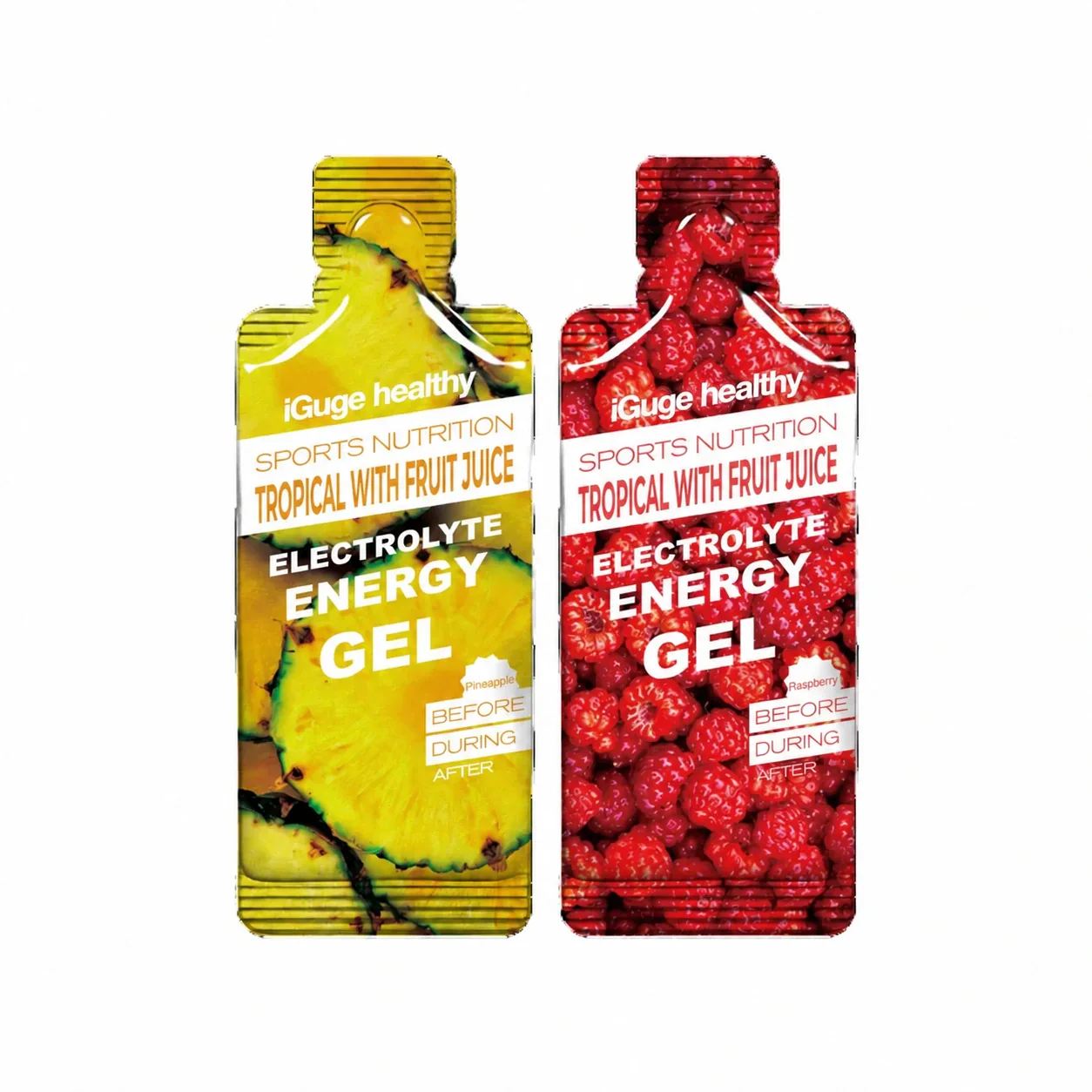
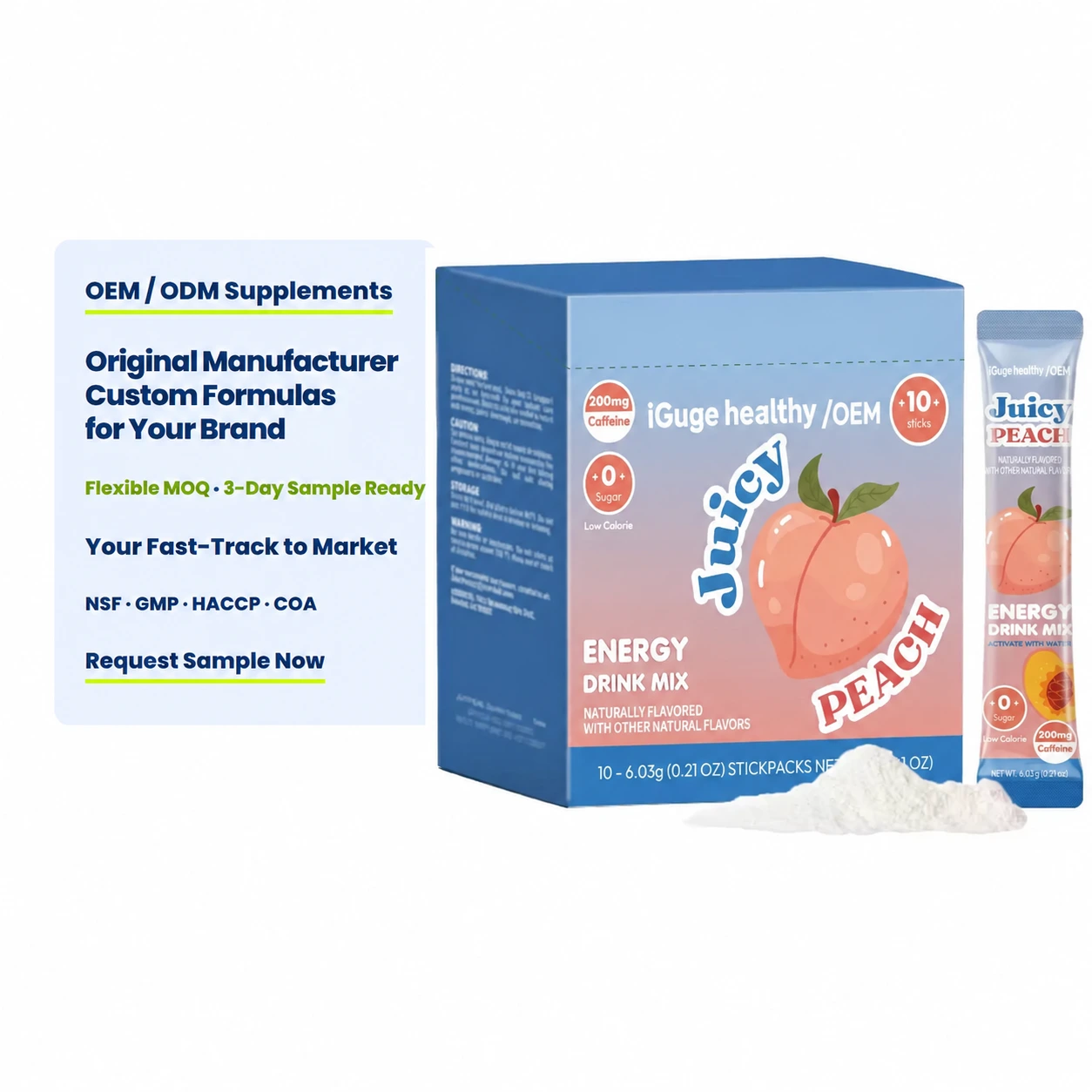
ROOTED IN NATURE. CRAFTED FOR YOUR BRAND. Your OEM journey starts here

Private Label Caffeine Energy Liquid with Custom Formula Design and OEM Manufacturing

Key ingredients: Magnesium,Sodium Chloride, Potassium Chloride, Acid. Discuss private label formula and packaging options for your market.

Format
Liquids & drops
MOQ
1000 pieces
Dosage form Oral liquid
Main ingredient Magnesium, Sodium Chloride, Potassium Chloride, Acid
Product type Sports Nutrition Electrolyte Replacement Drinks
Place of origin Guangdong, China
Product benefit Electrolyte balance support
Suitable for Adults
Brand iGuge healthy
MOQ 1000 pieces
Service Private label / OEM / ODM
Request a sample
Caffeine Energy Liquid — iGuge healthy
iGuge healthy · Caffeine Energy Liquid

Product specification

Caffeine Energy Liquid is available for private label product discussions. Explore the liquid format, ingredient options and packaging for your brand.

Format
Oral liquid
MOQ
1000 pieces
Project options
Private label / OEM / ODM

Create a product that fits your range, from ingredient selection and serving format to packaging and brand artwork.

Formula & ingredient direction

Define the composition, liquid formula and sample requirements for Caffeine Energy Liquid.

Ingredient profile

Magnesium, Sodium Chloride, Potassium Chloride, Acid

Tailor the blend to your ingredient preferences, serving format and target market.

Work with iGuge healthy on ingredient selection, sample development and packaging for your private label range.

Key ingredient specifications

Stimulant ingredient specification
Plan the named stimulant ingredients, sources and serving presentation for your range. Flavor, complementary ingredients and audience-specific labeling are part of the formulation discussion.
Magnesium form & declaration
Explore magnesium compounds and elemental magnesium targets for the chosen format. Ingredient compatibility, taste and serving size help shape the final product specification.

Develop the liquid formula

Liquid system
Define the proposed liquid base, fill volume and ingredient concentration. Confirm whether mixing or shaking is needed for the finished preparation.
Sensory & stability
Compare flavor, sweetness, viscosity and appearance. Review pH, ingredient compatibility and separation under the intended storage conditions.
Protection & use
Agree the microbiological control approach, packaging compatibility and directions after opening with the finalized formula.

Your custom specification

Serving specification
Build a clear serving specification covering unit size, ingredient amounts and preparation or use. This keeps the formula, pack count and customer-facing information aligned.
Complete declaration
The ingredient declaration brings together the full blend, supporting ingredients and allergen information. Share your dietary preferences and target-market needs during development.
Sample approval
Sampling connects the ingredient brief with the finished product experience. Your selected sample, specification and artwork provide the basis for the production order.
Liquid format and packaging for Caffeine Energy Liquid

What to review in your sample

Use the same evaluation conditions for each sample, record the differences and agree which details belong in the finished specification.

  • Physical checks: appearance, uniformity, aroma, taste where relevant and closure performance.
  • Product specification: compare the sample with the agreed ingredient, unit-size and appearance requirements.
  • Pack suitability: review the closure, opening, label area and protection required for this format.
Discuss a sample

Packaging for your brand

Explore these liquid packaging options with the team. Materials, fill quantities and availability are confirmed for your project.

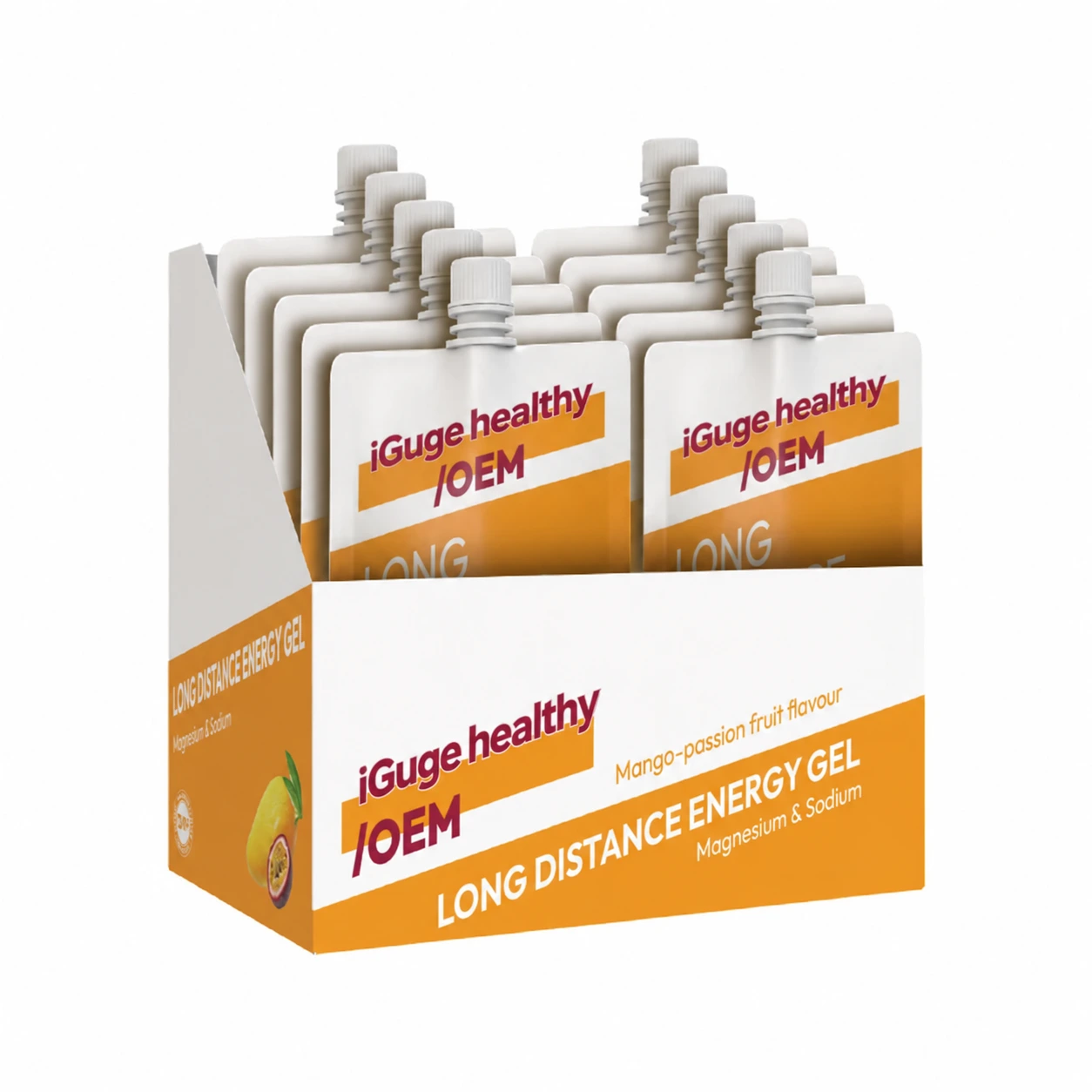
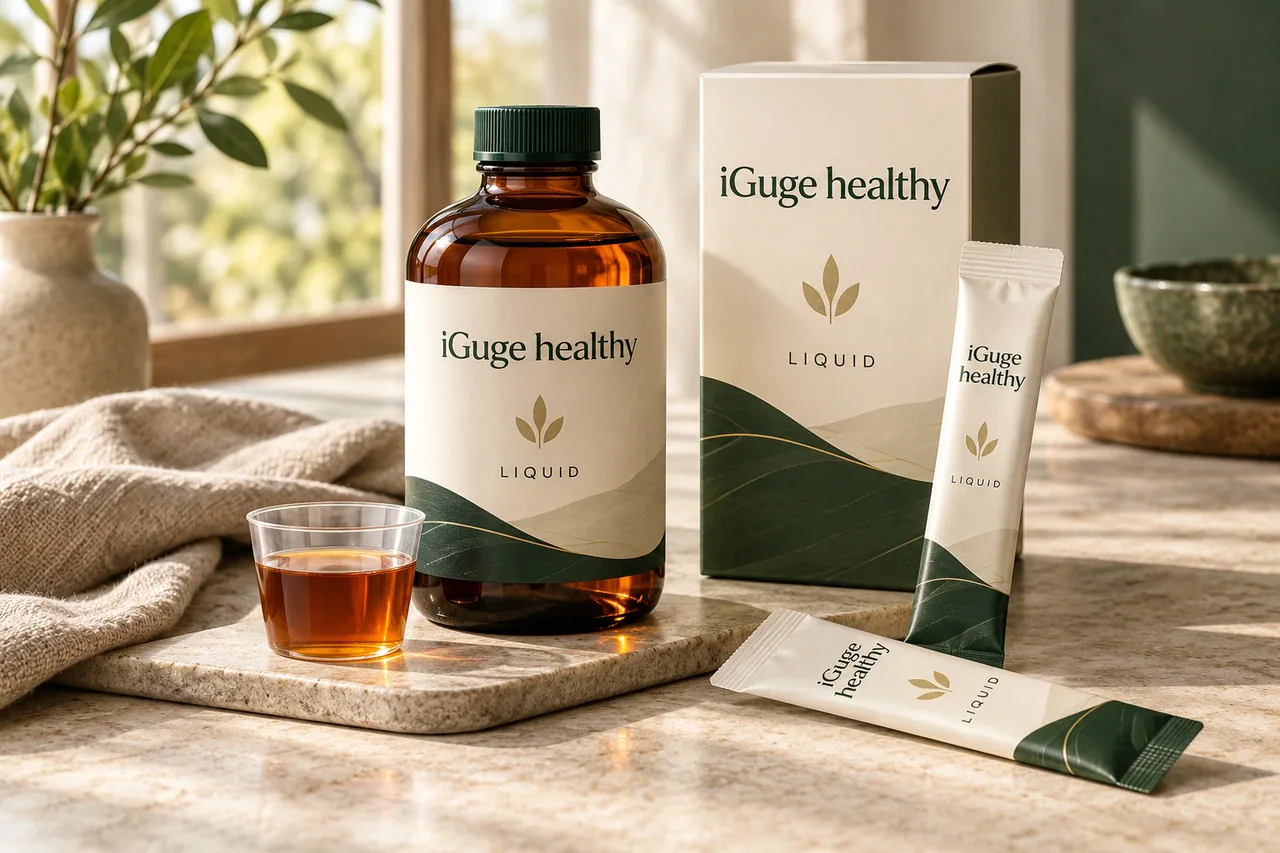
Small bottle

Review fill volume, closure, compatibility and label space.

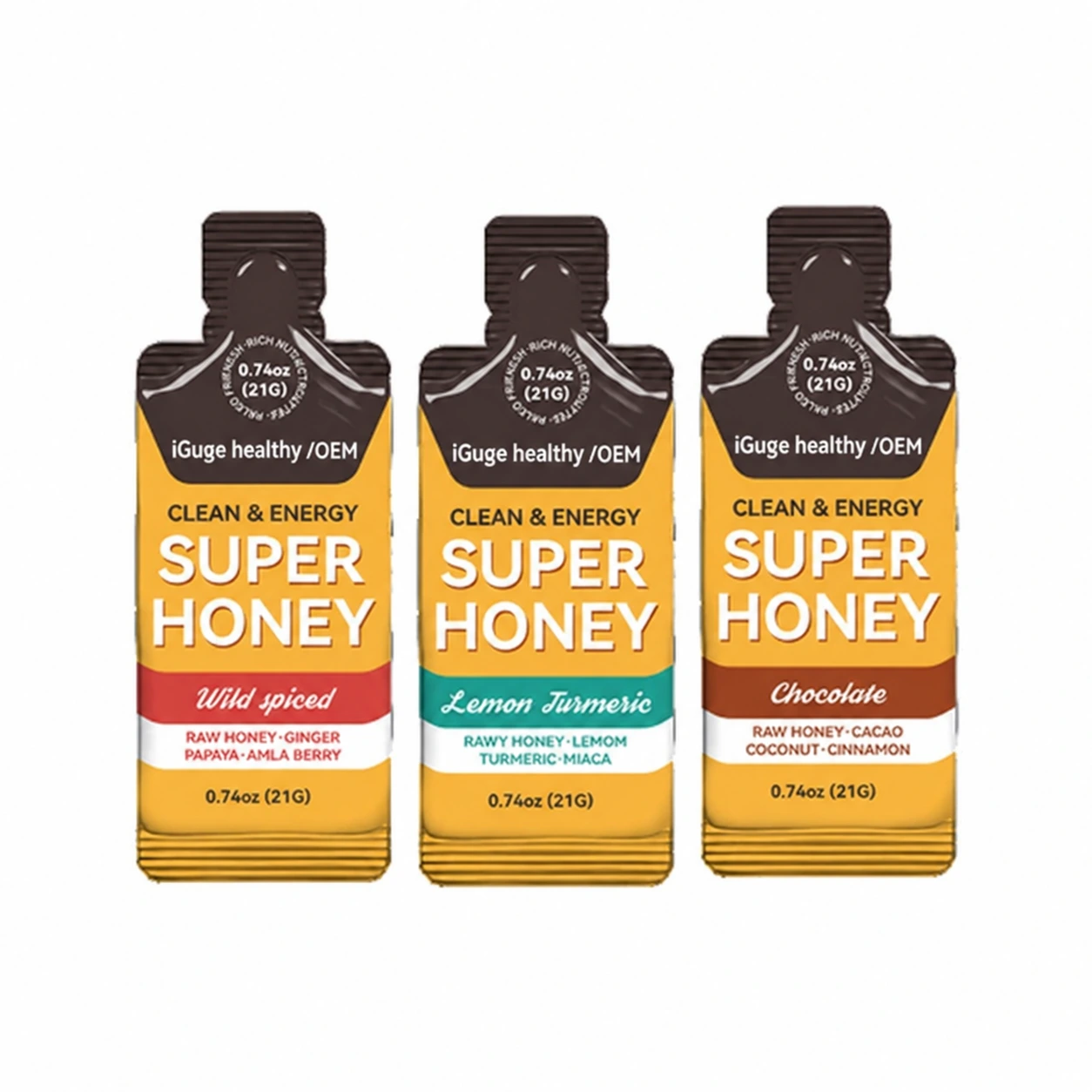
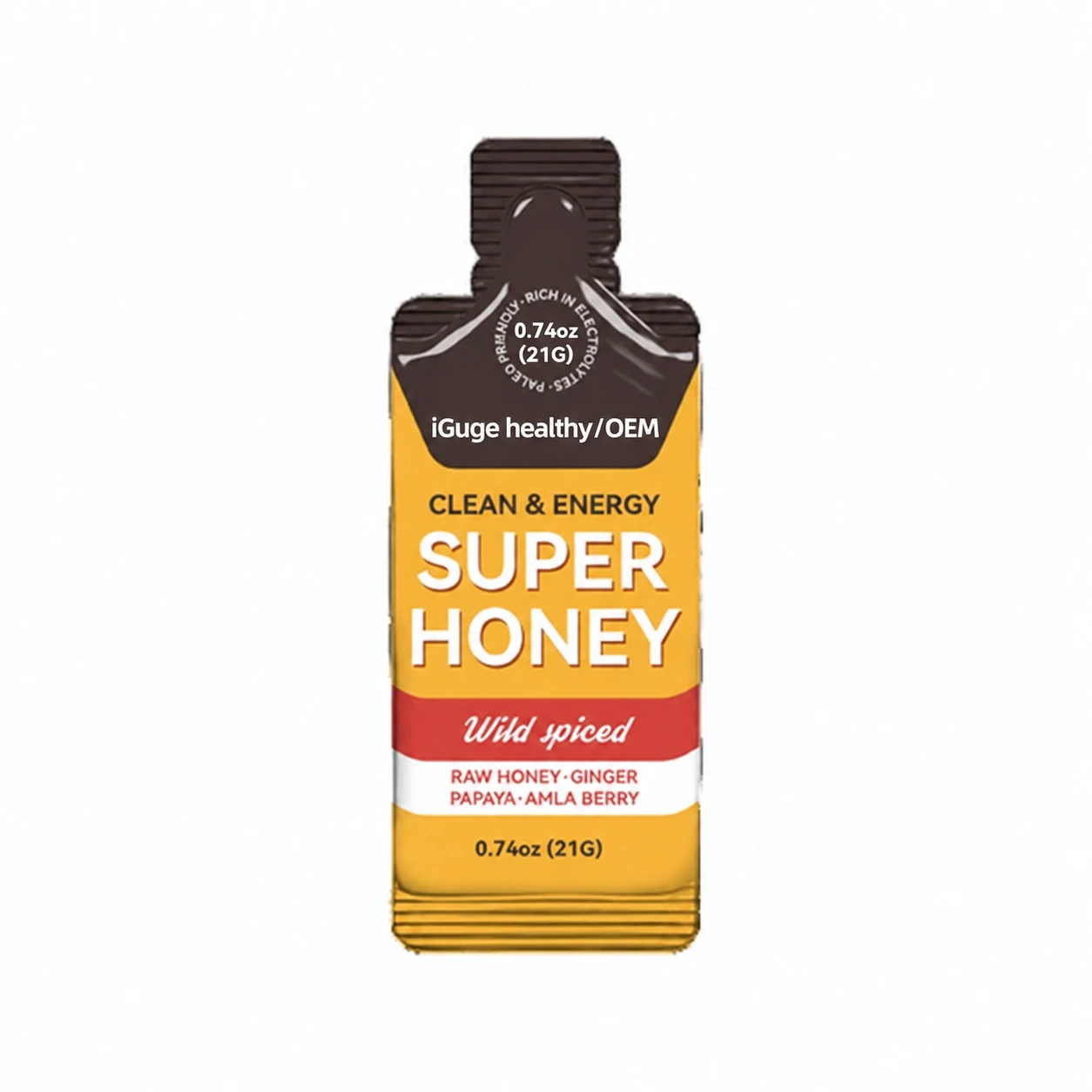
Portioned liquid pack

Discuss single-unit presentation, opening and transport protection.

Retail carton

Coordinate the bottle or primary pack with supporting product information.

Plan the artwork with the product.

Share your logo, label language and preferred finish. Allow space for the approved ingredient declaration, directions, batch information and destination-market labeling. Review artwork against the final specification before production.

From a sample brief to an agreed order

  1. Share your brief

    Specify the product, destination market, intended pack and estimated quantity.

  2. Evaluate the sample

    Compare the liquid sample with your agreed physical, formula and packaging requirements.

  3. Review documents

    Confirm specifications, available testing records, allergen information and any proposed label claims.

  4. Confirm the order

    Approve artwork, MOQ, quotation, production timing and shipping arrangements together.

Questions about this product

Details to help you plan your inquiry for Caffeine Energy Liquid.

What is the product format of Caffeine Energy Liquid?

Caffeine Energy Liquid is presented as liquid. The formula is evaluated as a liquid, with a defined concentration, portion and dispensing pack.

Which ingredients are listed for Caffeine Energy Liquid?

The listed ingredients include Magnesium, Sodium Chloride, Potassium Chloride, Acid. The full liquid declaration also covers the supporting materials selected for the finished formula.

How should caffeine or related stimulant content be specified?

For Caffeine Energy Liquid, identify the named stimulant materials and record their individual amounts. Where caffeine-bearing ingredients are selected, account for all contributing sources in the finished liquid.

How should magnesium be declared in the specification?

For Caffeine Energy Liquid, distinguish the magnesium compound weight from its elemental magnesium contribution. Record the selected compounds and their quantities alongside the other ingredients, including Magnesium.

Which physical checks matter for this liquid?

Compare appearance, uniformity, viscosity and dispensing using the intended container. Assess the complete liquid and its closure together. For Caffeine Energy Liquid, use the complete blend containing Magnesium, Sodium Chloride, Potassium Chloride, Acid.

What should the stimulant specification account for?

For Caffeine Energy Liquid, list every selected stimulant material separately and identify caffeine-bearing ingredients. Link the combined amounts to the finished liquid serving basis and intended label directions.

Which packaging details matter for Caffeine Energy Liquid?

For the formulation containing Magnesium, Sodium Chloride, Potassium Chloride, Acid, compare fill volume, leakage and dispensing accuracy. Pack directions include small bottle, portioned liquid pack and retail carton. Evaluate the selected pack with its actual fill and retail quantity.

How should the liquid concentration be specified?

Caffeine Energy Liquid: Record ingredient amounts per measured volume, the intended portion and total pack volume. This allows different bottle or portion sizes to be compared on the same basis.

Can different magnesium compounds be compared by total weight?

For Caffeine Energy Liquid, compare the elemental contribution and source identity for each compound, as well as its fit with the liquid. Equal ingredient weights do not necessarily describe equal elemental magnesium amounts.

What should a sample or order brief include for Caffeine Energy Liquid?

The listed minimum order is 1000 pieces. Specify the liquid presentation, Magnesium, Sodium Chloride, Potassium Chloride, Acid, preferred small bottle / portioned liquid pack and destination. Include fill volume, leakage and dispensing accuracy in the sample review, so the quotation and approved sample cover the same pack.