A supplements China search can identify manufacturers, but their prices become comparable only when each quotes the same product, pack and release evidence. One offer might cover filled bottles at the factory gate. Another might include a carton, a label review and a retained sample. Dividing the two totals by the number of bottles produces tidy unit prices while hiding the work still left to purchase. A short product brief makes those differences visible before either offer reaches the shortlist.
Define The Unit That Will Reach The Shelf
Give the quoted unit a physical description
Start with the sale unit as the receiving warehouse will see it. A bottle with sixty capsules, a carton with thirty single-serve sachets and an unlabelled drum of powder are three different deliverables. For a powder, identify the nominal fill, primary container, closure, scoop if required, label language and outer packing. For a capsule, identify the count, shell specification and packaging requirement. Give the unit an internal identifier that stays with the enquiry even if a vendor suggests a different name or catalogue example.
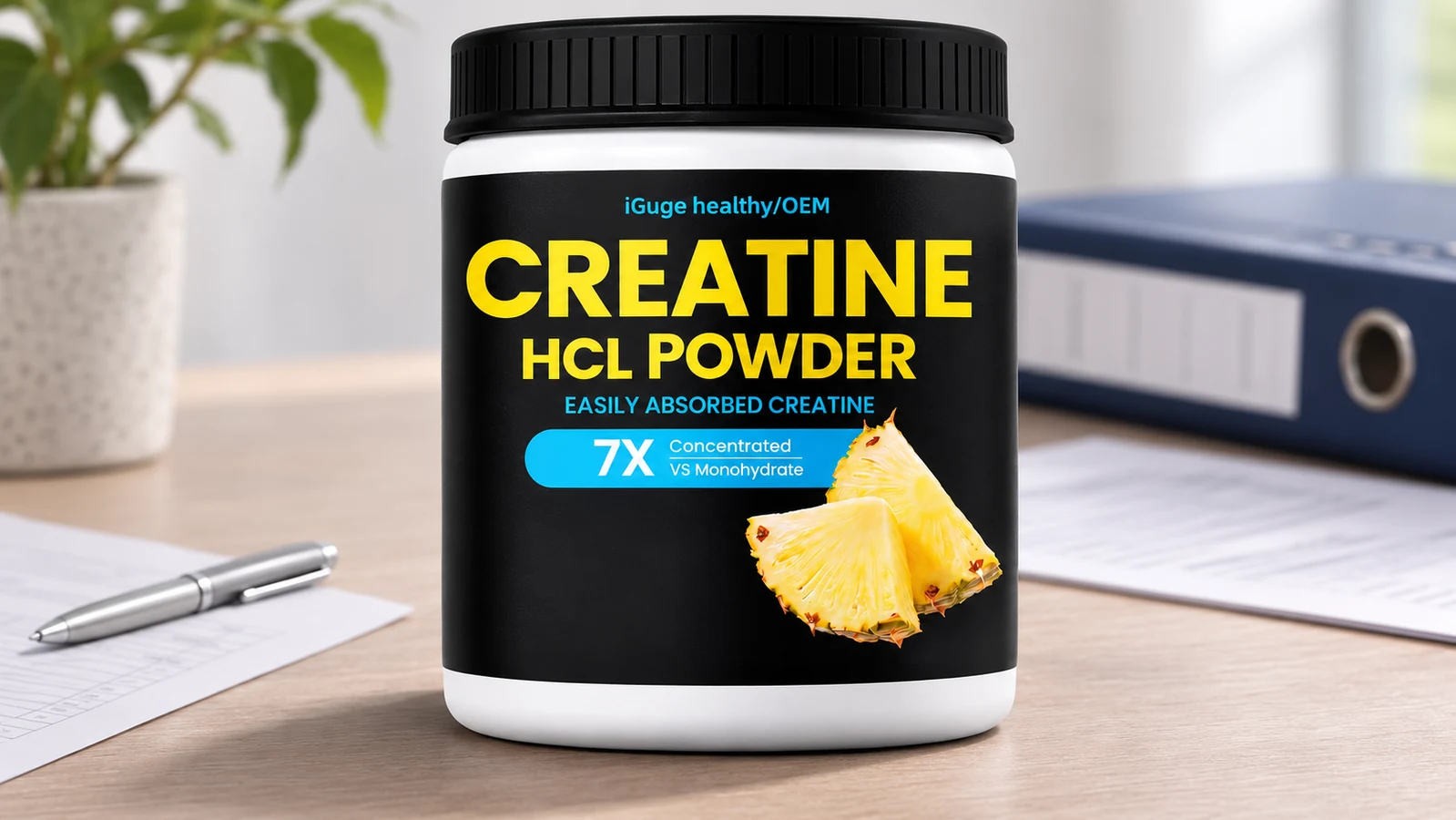
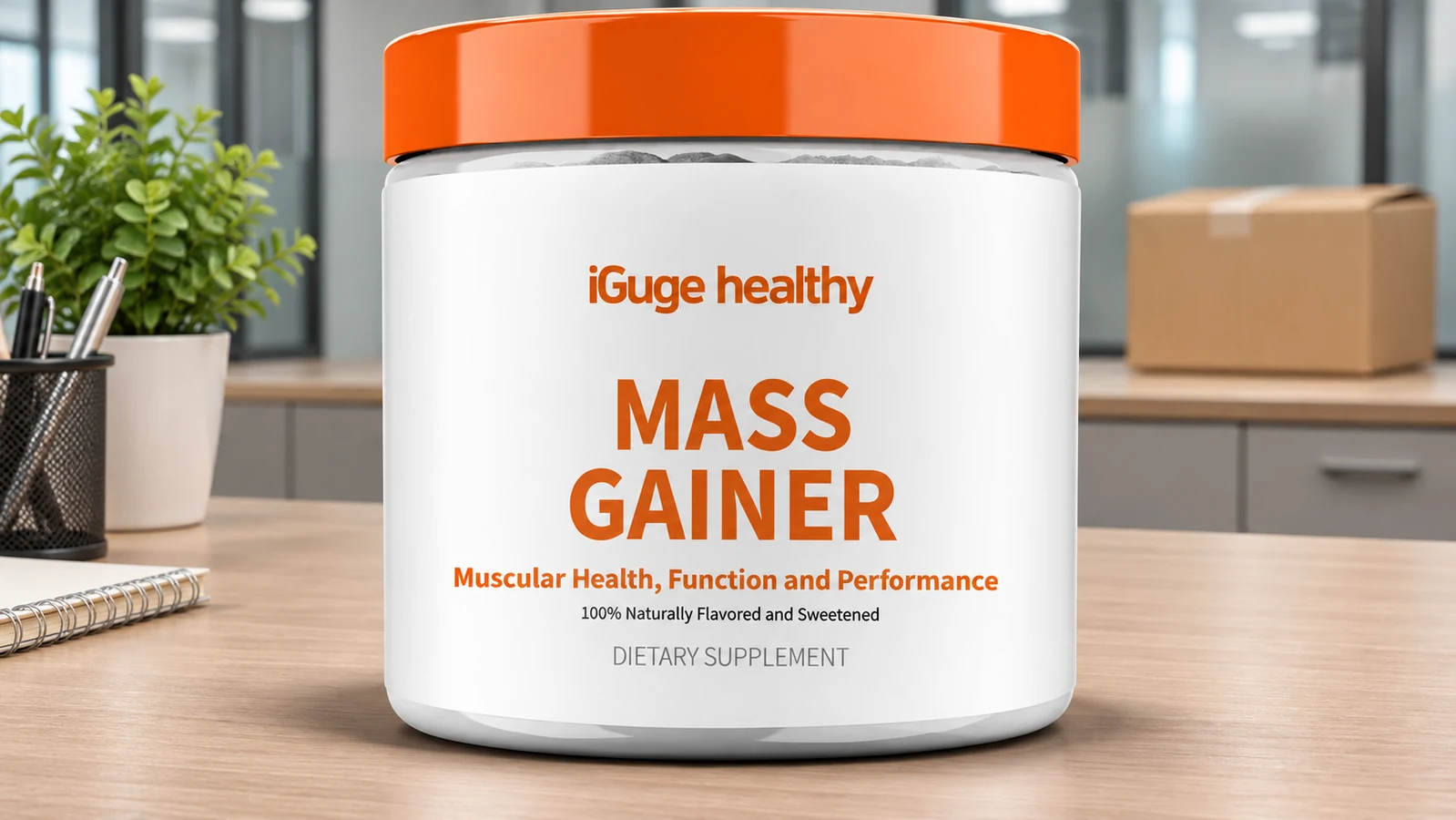
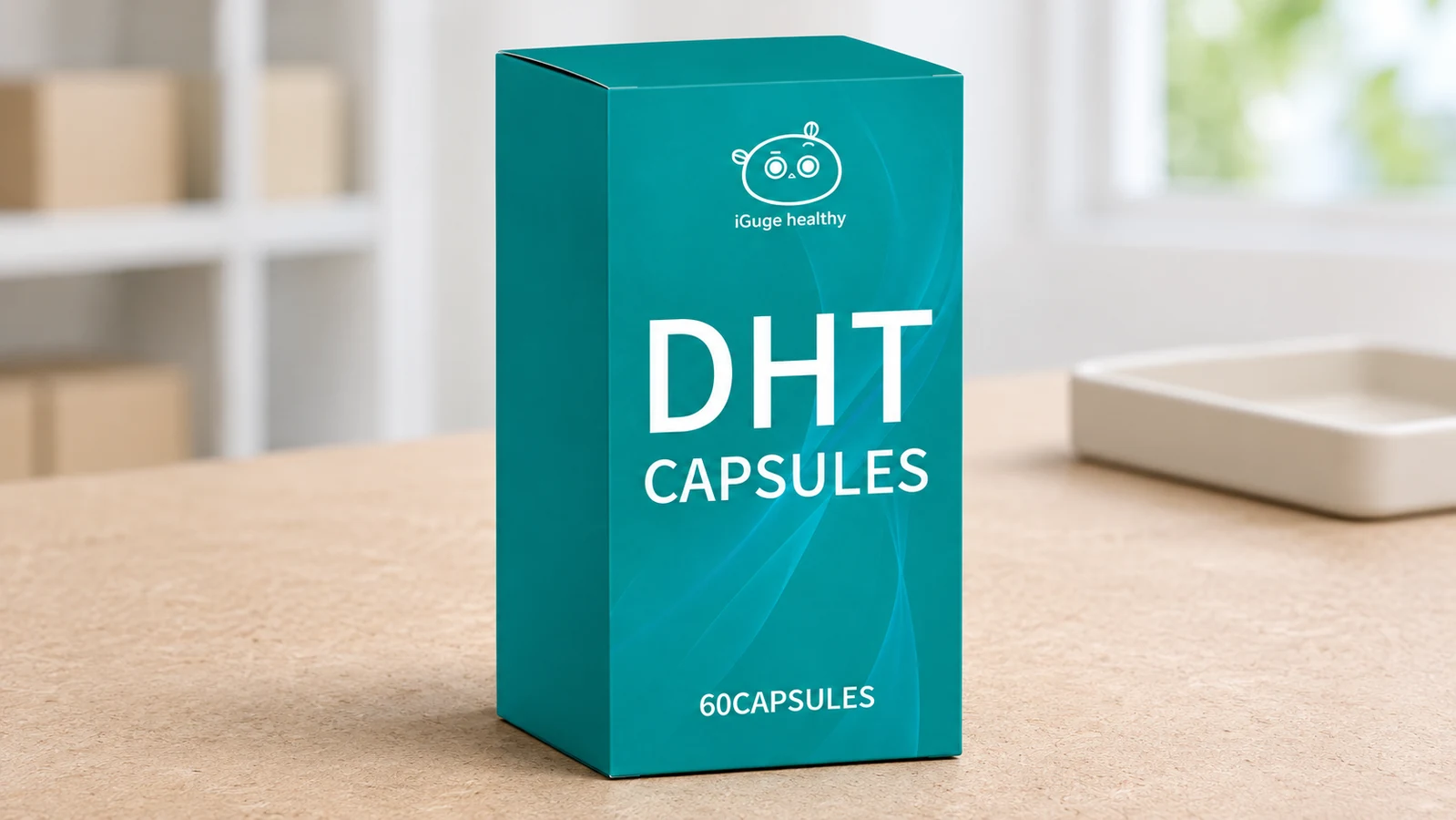
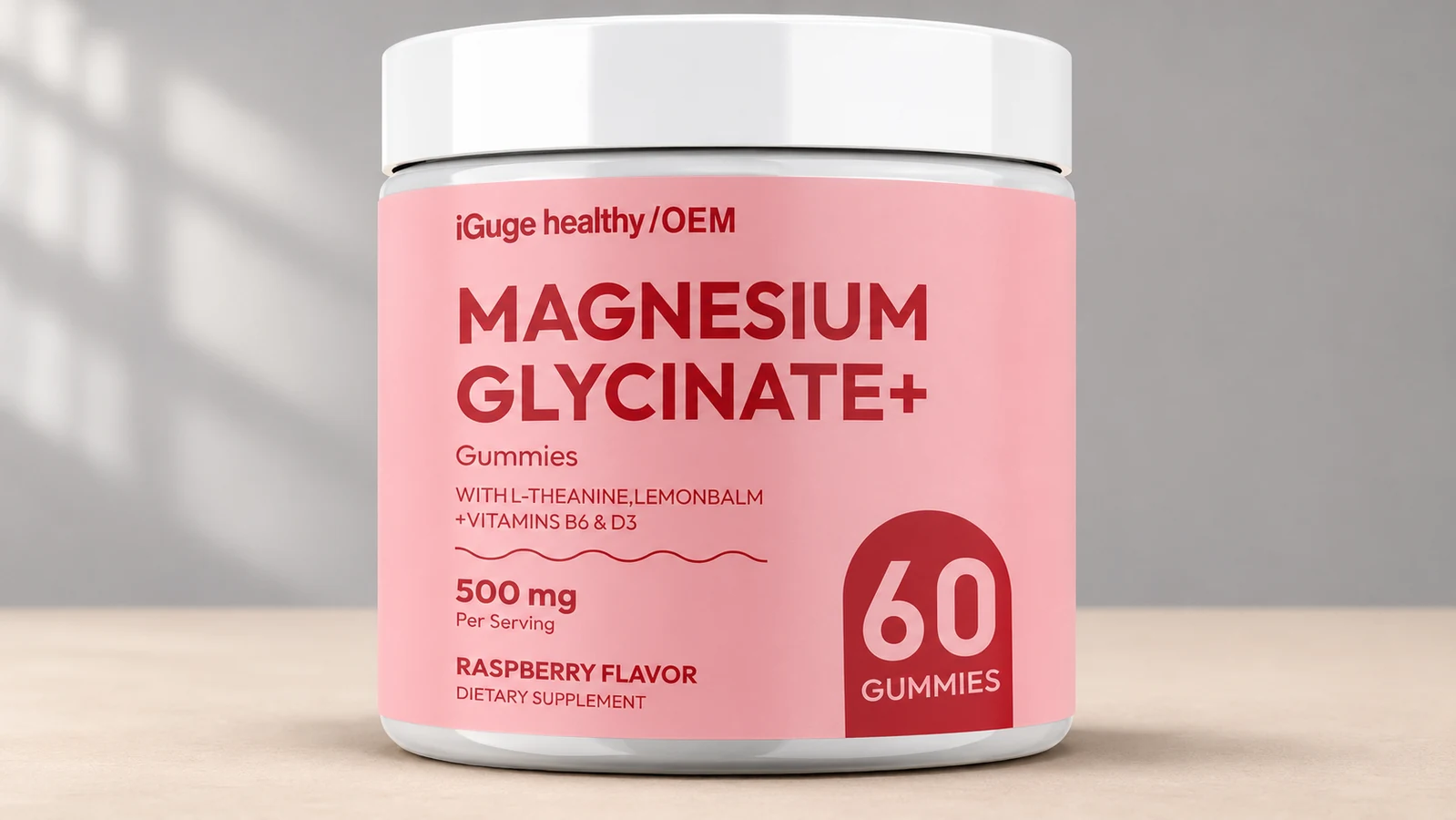
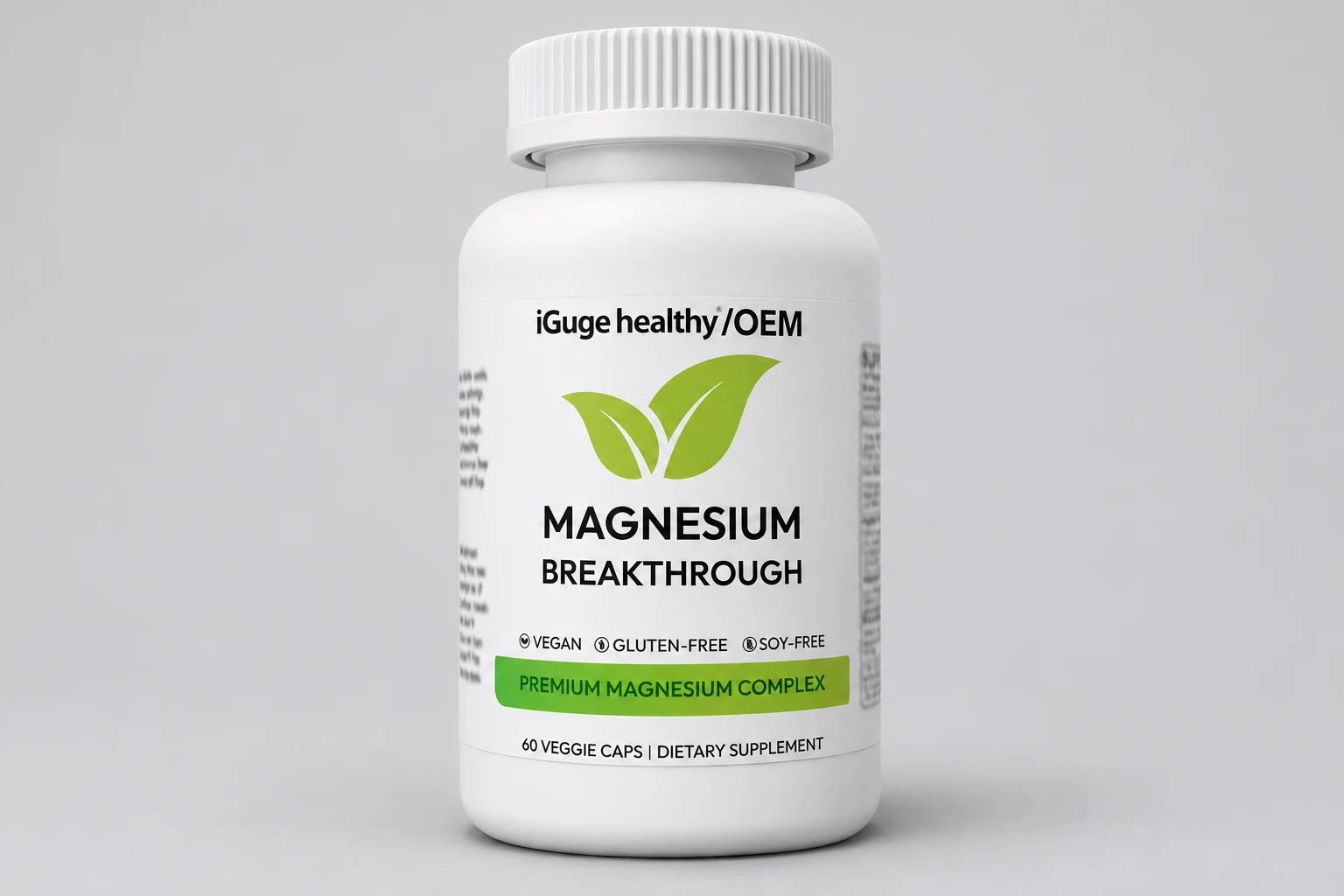
The vitamins and dietary supplements range and the functional coffee range demonstrate why format belongs near the top of the brief. A jar may be an acceptable visual example for one project, while a drink mix must dissolve under an agreed preparation method. A listing provides a way to identify the format under discussion. Ingredients, declarations and pack sizes for the order still need confirmation against the specific formula and approved artwork.
Separate requirements from preferences
A simple three-column sheet works well. In the first column put a requirement, such as an agreed capsule count. In the second put the evidence that would demonstrate compliance, such as a signed packing specification. In the third record what may be proposed as an alternative. When a vendor substitutes a larger bottle because of its available line tooling, the buyer can see whether that affects the shipper, shelf fit or label area. A clearly named alternative can then receive its own price without silently changing the base offer.
Give the brief a date and revision. If tasting feedback changes a flavor or a retailer changes a case count, keep the previous version and ask suppliers to identify which revision they have priced. An undated spreadsheet named “final” makes two apparently precise quotations hard to reconcile. A single changed packaging dimension can alter carton quantities, freight volume and artwork preparation even where the blend stays the same. The person comparing the offers needs a trail that explains why the number moved.
Find Out Who Performs Each Manufacturing Step
Ask for a map with named legal entities
The company answering the enquiry may formulate, blend and pack in one facility. It may also coordinate a specialist partner for a particular format. Ask which legal entity and physical site performs each agreed step, who approves release and who can investigate a complaint about a particular lot. Keep the contact responsible for commercial terms alongside the technical contact. A fast answer from a salesperson is valuable, but it does not establish which quality unit can retrieve a manufacturing record when a retailer asks for evidence.
For an enquiry that began with the words “supplements China,” the origin term narrows the search but leaves these responsibilities open. A manufacturer can be a strong fit for powders while using a partner for softgels. A coordinating firm can provide a workable service if it identifies the partner and defines access to required records. Evaluate the proposed route against the actual item. References from a facility that handles only another format give little information about the line that will handle this order.
Test the document trail using one real example
Request a redacted example that connects a finished lot identifier with the relevant specification, the test or examination and the release decision. Confidential formulas and other clients' names can remain hidden. What matters is whether the identifiers, dates, units and approval responsibility can still be followed across the sample records. A generic laboratory brochure demonstrates a service offering. A traceable example demonstrates how evidence could be retrieved for the item under discussion. Neither by itself proves the release of a future production lot.

The FDA's guidance on dietary supplement manufacturing explains the role of specifications and quality control in the US framework. Use it to frame questions about records applicable to the proposed product. In Australia, first determine how the item will be supplied and which product category applies. The TGA's listed-medicine decision tree is relevant when that pathway is under consideration. A powder sold as a beverage and an item presented as a therapeutic good may call for different reviews. The local responsible party should resolve the route before the printer is told to proceed.
Read Two Quotations Against One Set Of Assumptions
Move exclusions back into the comparison
Start the comparison sheet with the revision of the finished product specification named in each signed offer. Request the currency, quantity tier, unit basis, delivery point, price validity and treatment of one-time charges. If packaging and testing are separate invoices, retain them as separate lines. Do not divide the cost of a one-time printing setup across a projected year of units unless the business is committing to that volume. A quote at one minimum order and a price conditional on twice as many units belong on separate rows.
| Scope line | What to put in the base offer | Evidence to compare | Reason to reopen the figure |
|---|---|---|---|
| Finished sale unit | Formula revision, fill and pack count | Signed product and packing descriptions | Supplier offers a different strength or fill |
| Sample work | Number of iterations and dispatch point | Written inclusions and sample identity | Price covers a stock sample only |
| Release records | Agreed examinations and document delivery | Redacted record with units and scope | Report covers raw material only |
| Printed materials | Artwork revision and applicable setup fee | Approved proof and quote from the packer | Label order exceeds the filling order |
| Delivery boundary | Named handover point and responsible party | Quote with exclusions and carton data | Quoted totals end at different locations |
Recalculate the first order and the repeat order separately
Suppose a hypothetical first offer prices 5,000 finished sale units at 2.00 each and lists 600 in one-time artwork and setup charges. A second prices the same quantity at 2.08 with those charges included. On those limited assumptions, the first order totals 10,600 and the second 10,400 in the same currency. At repeat, the first base price totals 10,000 if setup does not recur. The example excludes freight, taxes and testing. If one offer excludes an agreed test, enter its confirmed cost before declaring either offer cheaper.
Keep a separate working-capital line for unused packaging. A printer may require more labels than the initial fill needs. Establish who owns the excess labels, where they are held, how they are identified and who pays to dispose of obsolete stock after a design change. The OEM customization description is a starting point for a conversation about the available steps. Only the written quotation basis establishes whether those materials and services are covered for the order being compared.
Use The Sample To Make A Defined Decision
Identify what the sample is allowed to prove
A stock sample can show a format, retail presentation or starting flavor. A development sample can demonstrate whether a requested adjustment moves the product in the intended direction. A pilot run may answer a further question about how the formula behaves on production equipment. Record which kind was supplied and what remains untested. A positive taste panel on a hand-mixed sample does not establish commercial fill uniformity, shelf life or performance in the final packaging. Assign those questions to the parties responsible for resolving them.

For a hot drink, record the preparation instructions used by the panel, the sample identifier, pack opening date and the attribute under review. Two teams can give opposite feedback when one uses a larger cup or changes the water temperature. For a capsule, a visual and packaging review answers a different question from an analytical assessment. Tie each comment to a specific sample. The tea collection and sports nutrition catalogue illustrate the breadth of possible formats and why a single sensory protocol cannot serve them all.
Carry the accepted version into the purchase record
Give the agreed reference sample a version and define how long each party will retain it. Put the related formula revision, packaging proof and finished product specification in the purchase record. If the next order changes the jar or introduces another flavor, list the approvals that need to be revisited. A signed sample without a corresponding specification leaves room for disagreement about small visual changes and does little to resolve an analytical result that falls outside an agreed limit.

Close the review with a brief exception log. A missing carton dimension can remain an assigned commercial action if the shipping decision has not been made. An unresolved ingredient declaration may prevent artwork approval and should have a named owner and deadline. Mark conditional prices and distinguish them from firm terms. A shortlist is ready for a purchasing discussion when a second reader can see the proposed scope, the evidence supplied, the unresolved questions and the financial consequence of accepting each alternative.
Frequently Asked Questions
What makes the first enquiry short enough to answer?
Send the format, target sale unit, expected first order, delivery boundary and the two or three decisions that matter most. Attach a revision-controlled brief for the details. Using the search phrase “supplements China” as the enquiry itself leaves a supplier to guess the product and encourages replies that cannot be compared.
Can a certificate replace a finished-lot record?
The two serve different purposes. Check the certificate issuer, scope, site and dates for the specific question being asked. For the ordered batch, ask what evidence will identify the product, applicable criteria, actual result and release decision. Agree when that evidence becomes available and who may request clarification.
When should a cheaper alternative receive its own line?
Give it a separate line whenever a change affects the purchase decision. A different closure, pack count, label material or release document can change cost and suitability. Keeping the original quotation basis visible lets procurement accept an alternative knowingly and preserves a clean comparison with other offers.
What should be settled before the first print order?
Confirm who owns the artwork, which text revision the local reviewer accepted, the approved pack dimensions and the quantity being printed. Link the approval to the reference sample or proof and identify the party authorized to release the file to print. Any late change should point to the updated file and the treatment of obsolete stock.
When a shortlist is ready, the project contact page can be used to send the same dated brief and ask which sample, release records and packaging charges the quoted price covers.