A custom supplement manufacturer turns a product concept into a formula, format and production specification that can be evaluated against defined targets. The important work begins where desirable features conflict: a small capsule may not hold the intended blend, a low-sugar gummy may need a different texture system, and a strongly flavored ingredient may change a drink's acceptable serving size. A useful development brief makes these tradeoffs visible before a sample is approved.
Define What Is Fixed And What Can Change
The customization service overview frames a set of decisions, not one service level. An existing formula with new artwork, a modified flavor and a newly developed composition require different work. Establish which features are essential, which are preferences and which remain open to testing. This prevents a technically sensible adjustment from being mistaken for an unauthorized change.
Distinguish Ingredient Targets From A Finished-Product Promise
An ingredient list does not fully define the finished product. Ingredient identity, grade, supplier specification and intended amount all influence the development route. A product brief should distinguish the proposed composition from claims that still require evidence and market-specific review. A familiar ingredient name is not proof that every source, concentration or combination is interchangeable.
Rank The Consumer Experience Instead Of Asking For Everything
Serving size, preparation method, taste, texture and package convenience can pull a formula in different directions. A brand that gives equal priority to a tiny serving, numerous ingredients and an intense flavor may create an infeasible brief. Rank these preferences so the development team can explain which compromise is acceptable. Record the reason for that ranking before comparing prototypes.
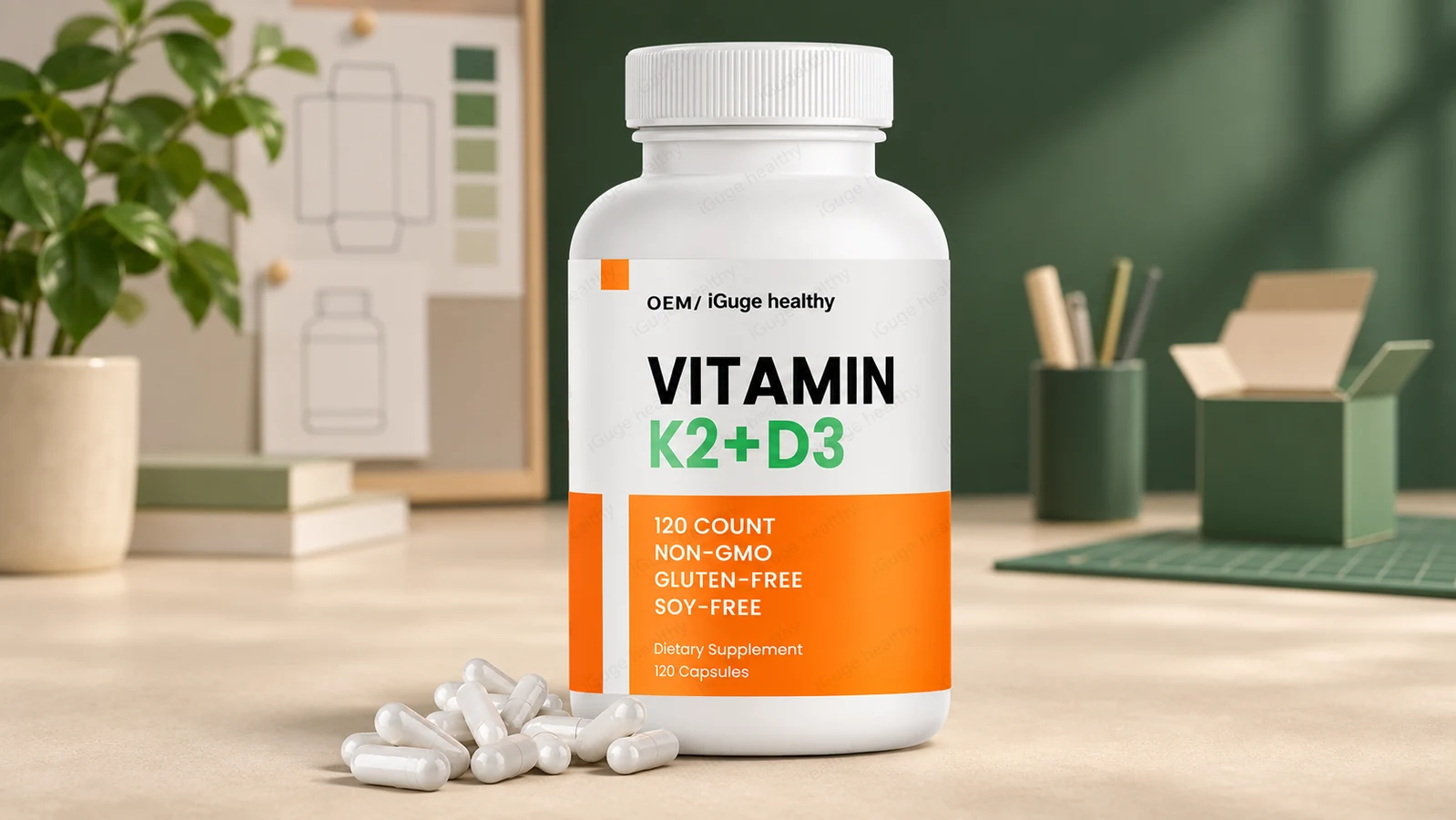
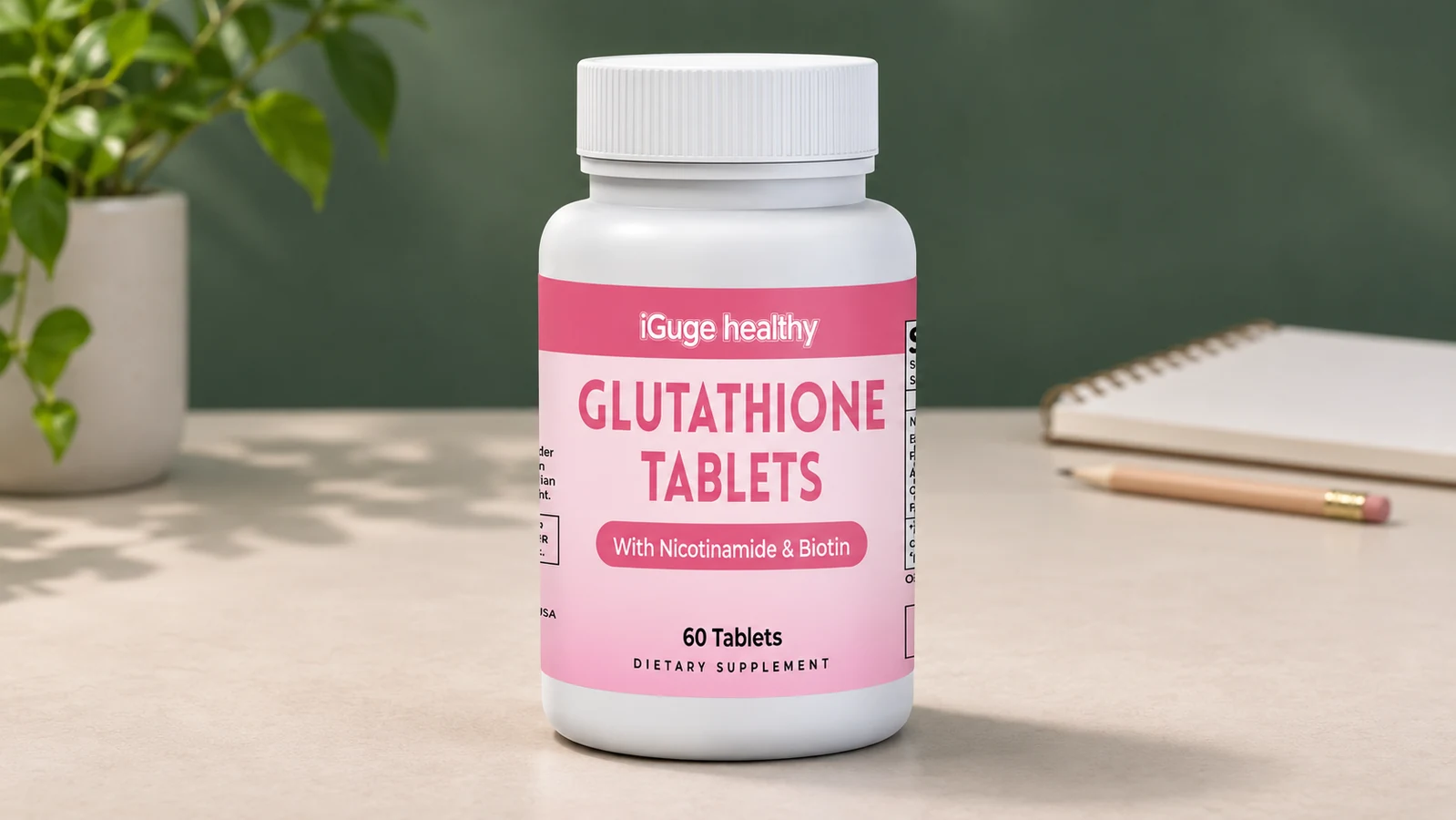
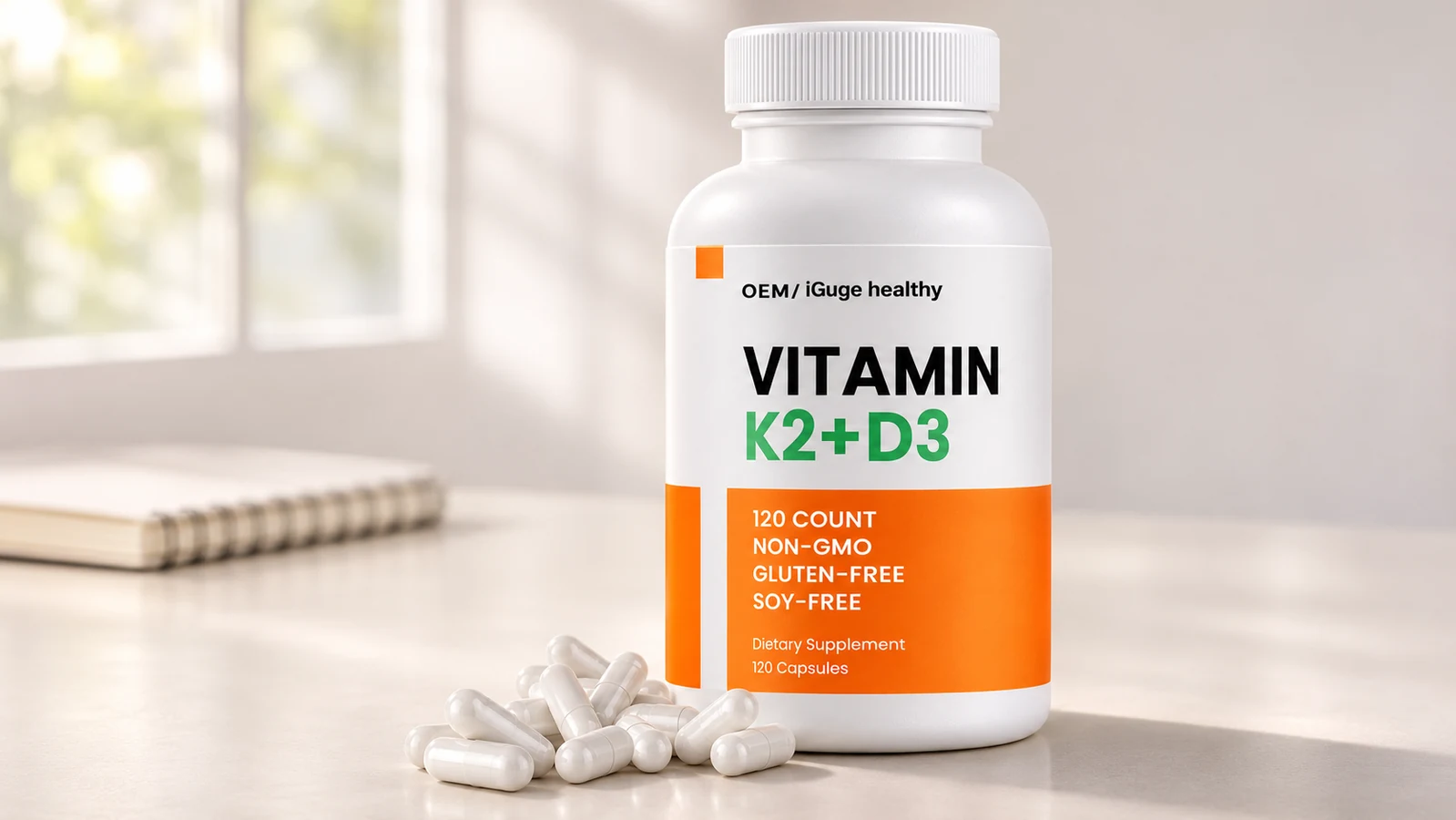
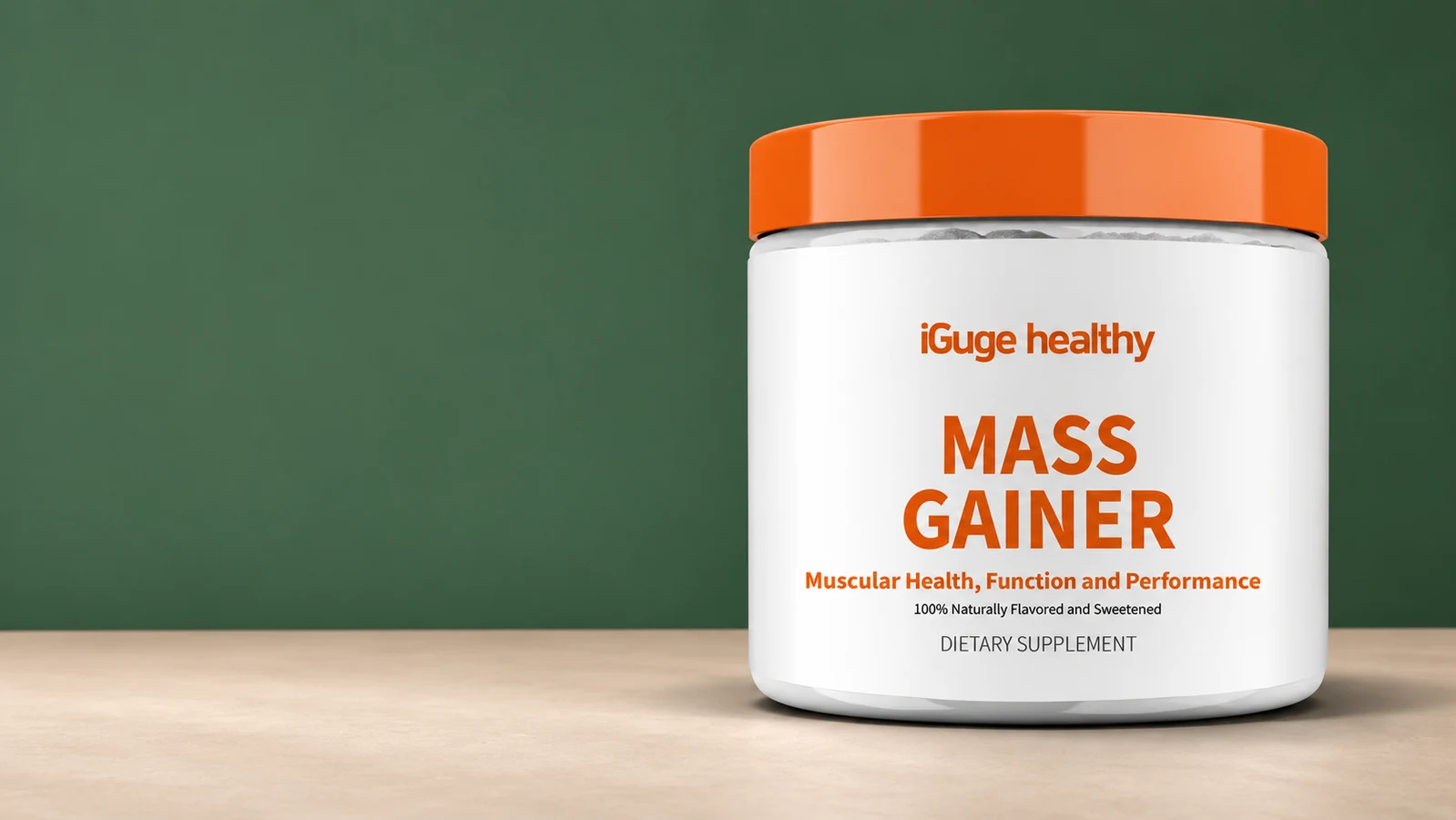
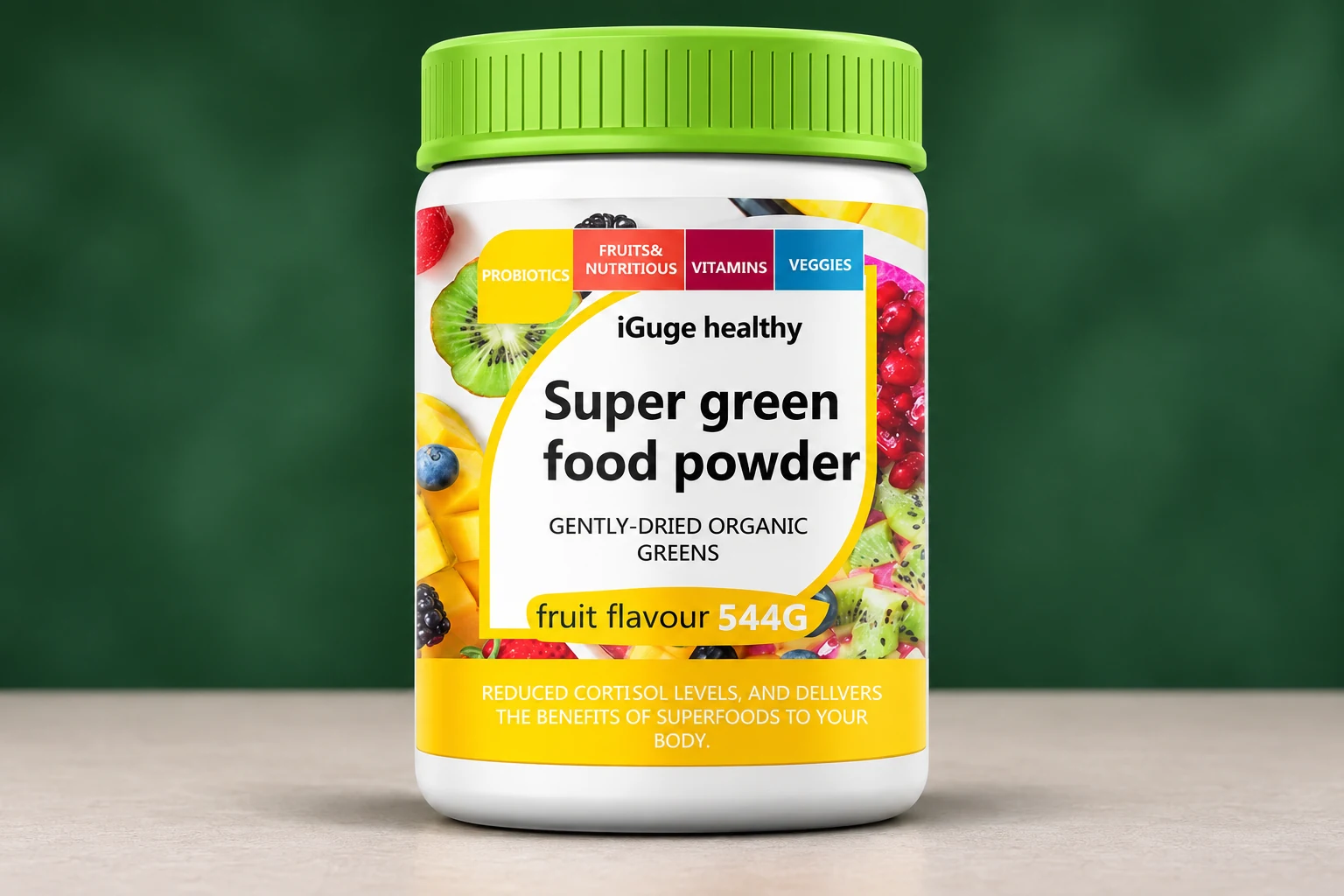
The current iGuge catalogue presents supplements in formats including powders, capsules, gummies, softgels and tablets. Those listings can provide starting examples, but a catalogue photograph does not establish that a proposed new combination can be manufactured or marketed. The suitability of the exact project remains a separate question.
Choose A Format That Can Carry The Intended Formula
The dosage form affects more than appearance. It changes the room available for ingredients, the manufacturing process, how the product is consumed and the tests needed to evaluate it. Compare formats against the intended composition and use experience rather than assuming a successful powder can be transferred unchanged into a capsule or gummy.
Check Volume As Well As Weight
Two blends with the same mass can occupy different volumes because their physical properties differ. For a capsule project, the proposed fill weight must be considered with the blend's bulk behavior and the selected shell. A formula that fits in a hand-prepared sample is not automatically suitable for repeatable filling. Ask what observations or trials are needed before confirming the size and serving instructions.
Treat Taste And Texture As Defined Attributes
A powder intended for mixing needs a stated preparation method: liquid type, amount, temperature and mixing procedure. Otherwise two reviewers may assess different drinks. Gummies and chewable formats also require meaningful texture descriptions, not only a preferred color. Sensory evaluation should use the same conditions and a recorded scoring approach so that a later change can be judged against a real baseline.
A custom supplement manufacturer should identify a format limitation early enough to compare alternatives. An additional serving unit, a simpler composition or another delivery format may be more practical than trying to force the initial concept into an unsuitable package. The commercial implications of each option belong in the development discussion.
Use A Feasibility Matrix Before Ordering Prototypes
A short feasibility matrix turns a broad request into specific questions. It should separate what is already supported from what must be demonstrated. Each flavor or format variant may require separate development evidence.
| Design choice | Possible conflict | Evidence needed | Decision to record |
|---|---|---|---|
| Capsule size and composition | Ingredient volume may exceed a practical fill | Blend properties and filling observations | Acceptable size, serving units and composition limits |
| Powder flavor and preparation | Masking a strong ingredient may alter the serving experience | Comparable prepared samples under stated conditions | Flavor profile and permitted formulation adjustments |
| Gummy texture and ingredient loading | The desired texture may conflict with the selected composition | Prototype evaluation and suitable physical checks | Texture criteria and acceptable format alternatives |
| Package size and protection | A preferred appearance may not provide the required protection | Pack compatibility and stability evidence | Container, closure and storage assumptions |
| Multiple launch variants | Each variant may add testing and production complexity | Written scope of shared and separate development work | Which variants proceed first and why |
The sports-nutrition collection and vitamin and dietary-supplement collection offer different product starting points. Their categories do not make formulations equivalent, and a printed health statement in a source image is not adopted here as evidence of an effect.
Make Each Sample Answer A Development Question
Sampling is most useful when each version tests a specific uncertainty. Sending several unexplained variations creates opinions but little evidence. Keep a version identifier, composition reference, preparation instructions and evaluation purpose with each sample so that feedback can be connected to the change that produced it.
Change One Interpretable Set Of Variables
A prototype that changes flavor, sweetener, ingredient source and serving size at once may be difficult to interpret. Where practical, design a comparison that isolates the question being studied. When linked changes are unavoidable, explain them together. A preferred sample should be traceable to a documented formulation version rather than remembered by the color of its label.
Separate Preference Feedback From Analytical Evidence
A pleasant taste does not confirm ingredient identity, strength, purity or microbiological suitability. Sensory evaluation and laboratory evidence answer different questions. Agree which attributes are assessed by the project team and which require an appropriate method and responsible laboratory. A sample approval should state exactly what has been accepted and which quality questions remain open.

FDA guidance on dietary-supplement manufacturing distinguishes specifications, master manufacturing records and batch production records. For project planning, the practical implication is to ask how the proposed formula and its controls will be documented for repeat manufacture. This general context does not establish the compliance status of a particular supplier, facility or product.
Evaluate The Process And Package As Part Of Development
The final product is the formula after manufacturing, filling and storage in its intended package. A successful small sample therefore leaves questions about scale, handling and protection. Address those questions before treating the approved appearance or flavor as a complete production specification.
Use A Pilot To Resolve Scale-Related Uncertainty
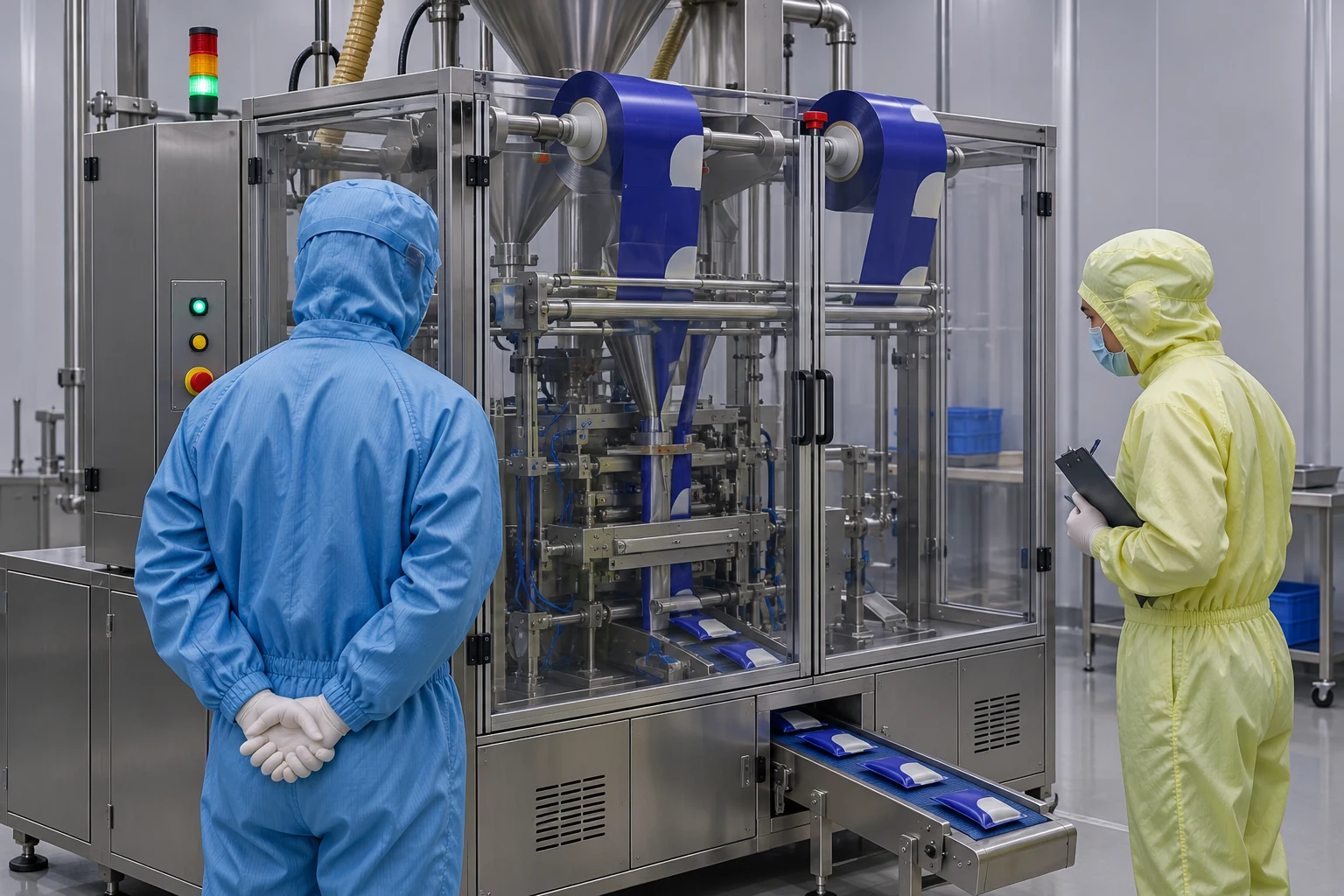
A pilot batch can help investigate behavior under a process that is more representative of manufacture. The purpose should be defined: blend handling, filling consistency, processing sequence or another identified risk. Its result is only useful when the equipment, conditions and differences from intended production are recorded. A pilot does not, by itself, prove every future batch will meet the specification.
Assess The Formula In The Intended Market Pack
Packaging can influence exposure to moisture, oxygen and light, as well as how the product is dispensed. Select the container, closure and relevant protection features with the formula in mind. The same outer appearance does not establish equivalent barrier properties. Record which pack components are fixed and which alternatives would require technical review.
TGA guidance for listed complementary medicines addresses stability evidence for the product in its market packaging and the need to assess relevant changes. That guidance applies within its regulatory scope; it is not a universal rule for every food or supplement. A project should confirm its product classification and applicable requirements with qualified advisers.

Agree The Development Boundary And A Realistic Next Step
A quotation for customization should identify what is included, what is provisional and what would trigger additional work. Formula development, sample revisions, testing, packaging components and production setup may be separate activities. Compare their scope before comparing a single unit price, and keep recurring production costs distinct from one-time development expenses.
Minimum quantities and timing depend on the exact formula, packaging and production arrangement. iGuge's public project guidance asks for formulation preferences, samples, packaging and project-specific requirements to be confirmed. It does not support assigning one guaranteed MOQ or delivery period to every custom brief. The current project introduction provides that service context.
Frequently Asked Questions
Is Custom Manufacturing The Same As Changing A Label?
No. Relabeling an existing product may involve a narrower scope than changing ingredients, format or processing. The contract should describe the actual work. A private-label starting formula can still require packaging and market review, while a newly developed composition may need substantially more technical evaluation.
Can A Formula Be Moved Into Another Format Unchanged?
Not automatically. A change of dosage form can alter filling, texture, preparation and stability considerations. The development team should assess whether the intended composition remains practical and which evidence must be generated.
How Many Sample Rounds Are Necessary?
There is no defensible universal number. The required rounds depend on the uncertainties and whether each version meets the agreed criteria. Define the purpose of each round and the decision it should enable. Additional samples without a clear question can extend the project without reducing technical risk.
Does An Approved Prototype Set The Shelf Life?
No. Immediate sample acceptance is different from evidence that a packed product maintains its relevant attributes over time. The responsible technical team should define the stability approach and applicable criteria. A shelf-life statement needs appropriate support rather than a duration copied from another product.
What Should Be Ready Before The First Technical Discussion?
A useful brief names the intended composition, preferred format, serving experience, packaging concept and expected order scale. It also identifies non-negotiable features and acceptable alternatives. Mark unknowns explicitly so the discussion can determine what needs research, a prototype, analytical work or a revised concept.
A discussion with a custom supplement manufacturer is more productive when the brief includes ranked requirements and a list of unresolved tradeoffs. Use the project contact channel to request a defined development scope and the evidence needed for the next decision, rather than approving a formula from appearance alone.