Supplement private label manufacturers need clear approval handoffs between the product brief, formula, package and finished batch. A project moves more reliably when each decision has a named owner, an identified version and evidence that the next team can use. The central challenge is keeping those decisions connected as a concept becomes a repeatable product.
Define What The Private-Label Project Actually Changes
Private label can describe several different arrangements. One project applies new artwork to an existing product; another changes flavor, serving format or packaging; a third requires new development. These routes have different evidence needs. A quotation becomes easier to interpret when the proposed changes are listed explicitly instead of being hidden inside a broad promise of customization.
Separate The Existing Platform From The Requested Changes
A product platform may include a formula, production process, test approach and package that have previously been used together. Changing one part can affect another. A different flavor may change ingredient handling, while a new container can change filling behavior or product protection. The starting document should identify what remains established, what is being changed and what must be checked again.
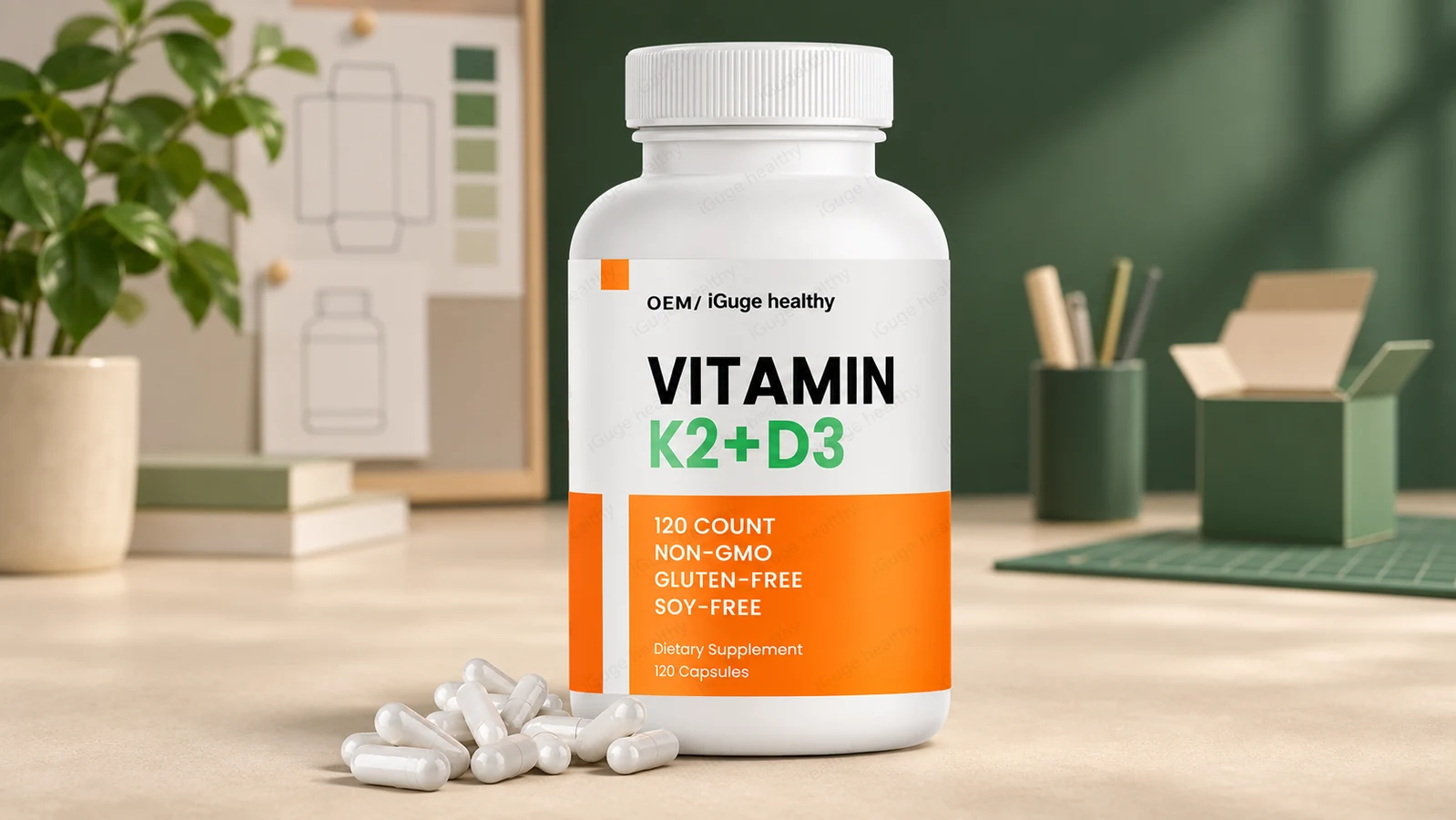
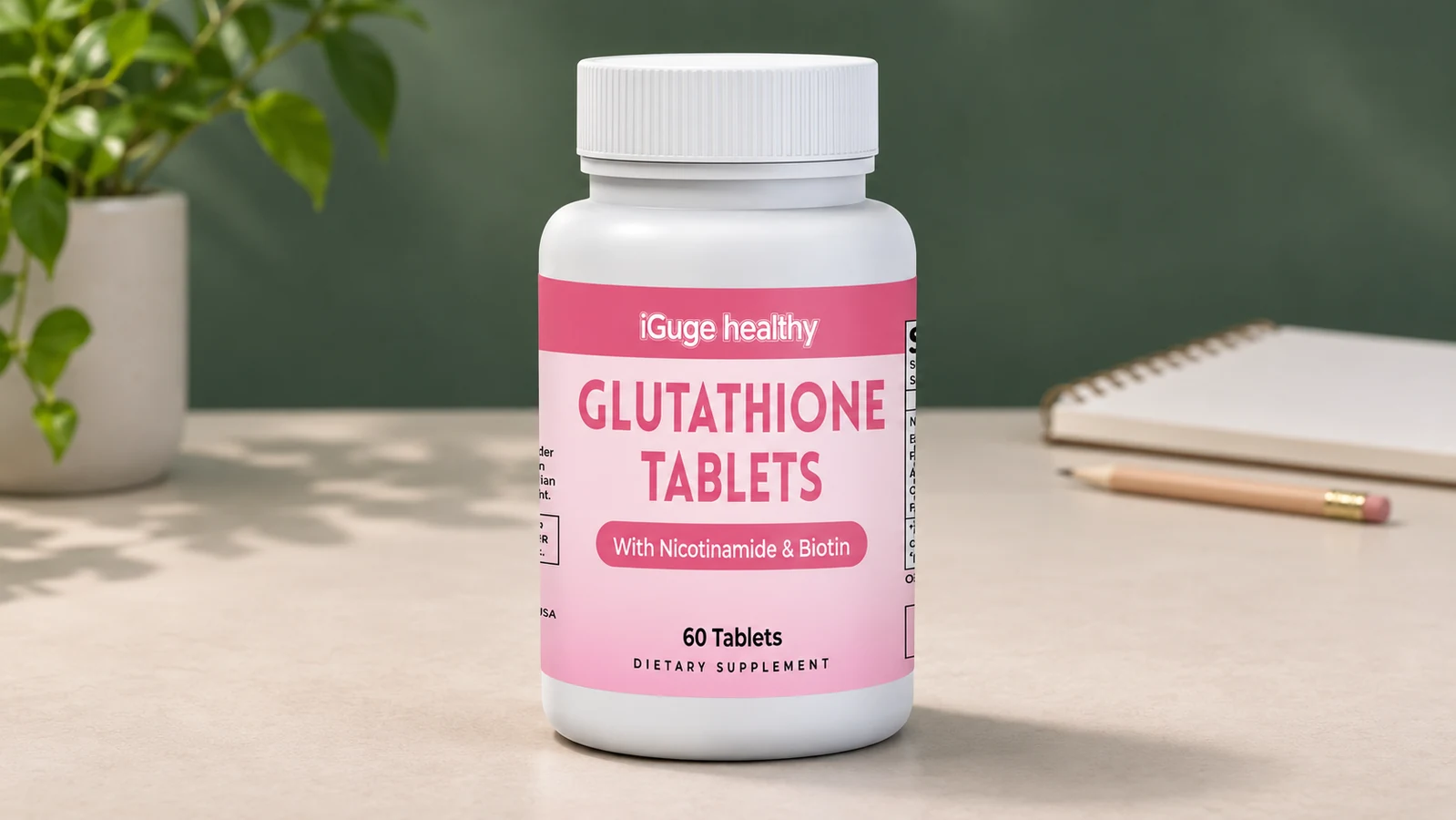
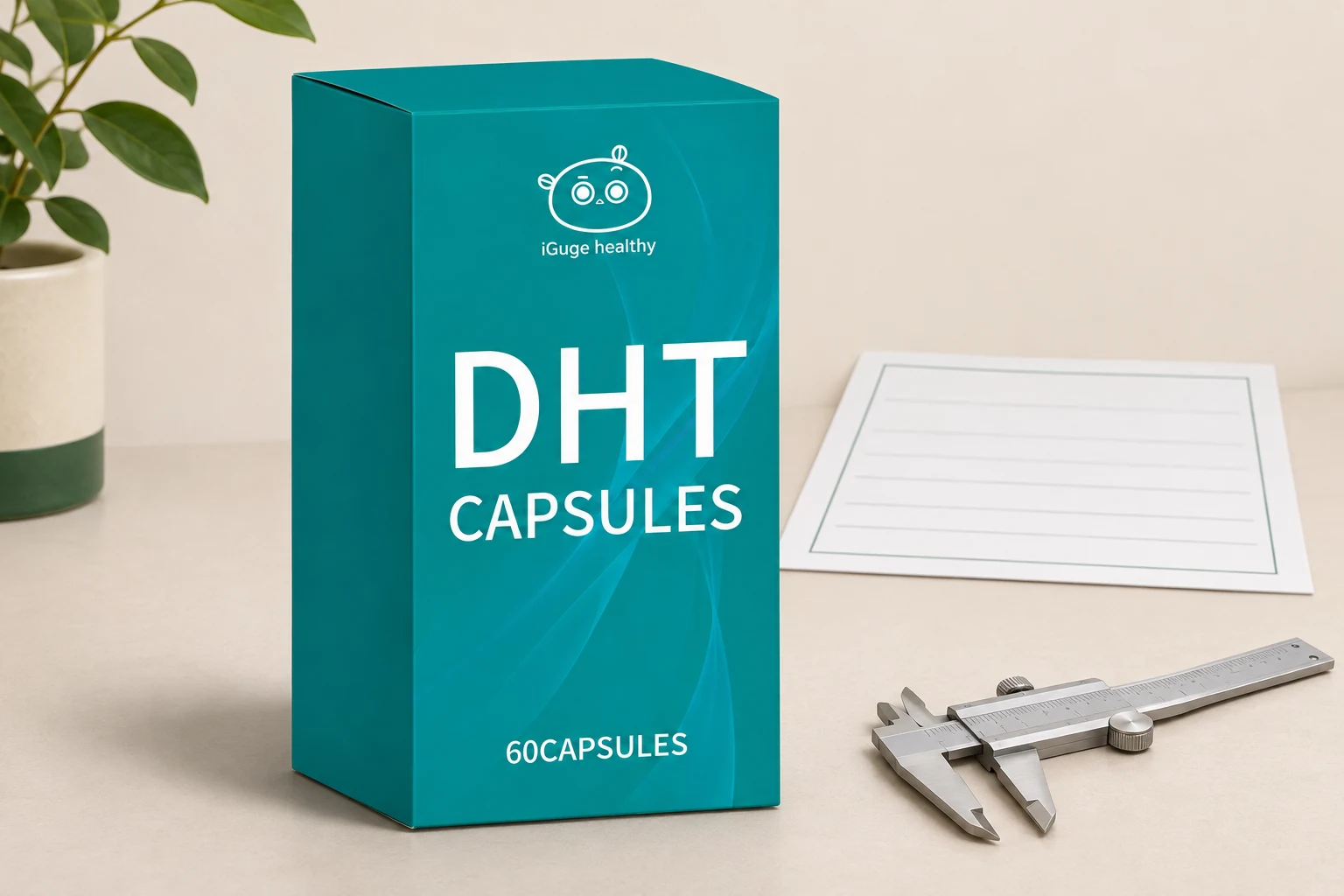
The iGuge product catalogue is useful for identifying possible formats and discussion points. It is not a substitute for a project-specific specification. A catalogue photograph or title does not confirm the final ingredient quantities, legal market status, commercial terms or testing package. Those details need to be resolved for the proposed product rather than inherited from a similar listing.
Give Each Decision A Named Owner
Formula approval, artwork approval, manufacturing release and permission to distribute are different decisions. A project can assign separate owners while keeping one shared decision log. Each entry should identify the version reviewed, unresolved conditions and the next action. This prevents a sample approval from being interpreted as permission to purchase packaging or begin a production batch before the remaining checks are complete.
Turn The Brief Into A Controlled Formula Specification
The brief explains the intended product; the formula specification turns that intention into a defined composition and serving basis. It should distinguish required attributes from preferences and unresolved questions. Capsule, gummy and dry-powder examples can use the same approval discipline, even though their manufacturing constraints differ.
Use A Serving Basis That Every Document Shares
A quantity written per capsule is different from the same quantity written per serving of two capsules. Similar ambiguity occurs when powder mass, scoop volume and serving count are mixed. The development record should state the unit basis for each ingredient and for the finished package. Label text, sample assessment and manufacturing instructions can then be checked against the same reference.
For products in the vitamin and dietary supplement collection, ingredient identity and presentation are useful starting points. A familiar ingredient name does not settle its source, grade, assay basis or compatibility with the chosen format. Those matters belong in the technical review. A higher headline amount should not be treated as a benefit without considering suitability and the relevant evidence.
Keep Development Assumptions Visible
A concept sample may use provisional flavoring, a temporary container or a process that differs from the planned production route. Those assumptions should travel with the sample. If a reviewer does not know what is provisional, an encouraging sensory response can accidentally become approval of details that were never tested. A concise assumption list makes the next development step specific and prevents avoidable repetition.
Approve The Sample Against Defined Questions
Record Conditions Alongside The Opinion
Powder behavior can depend on mixing method, water temperature and standing time. Gummies can feel different after storage under different conditions. Capsule appearance can vary with lighting and the container used for comparison. Recording relevant conditions makes feedback reproducible. A comment such as acceptable texture is more useful when it identifies the sample version, observation date and conditions under which the judgment was made.
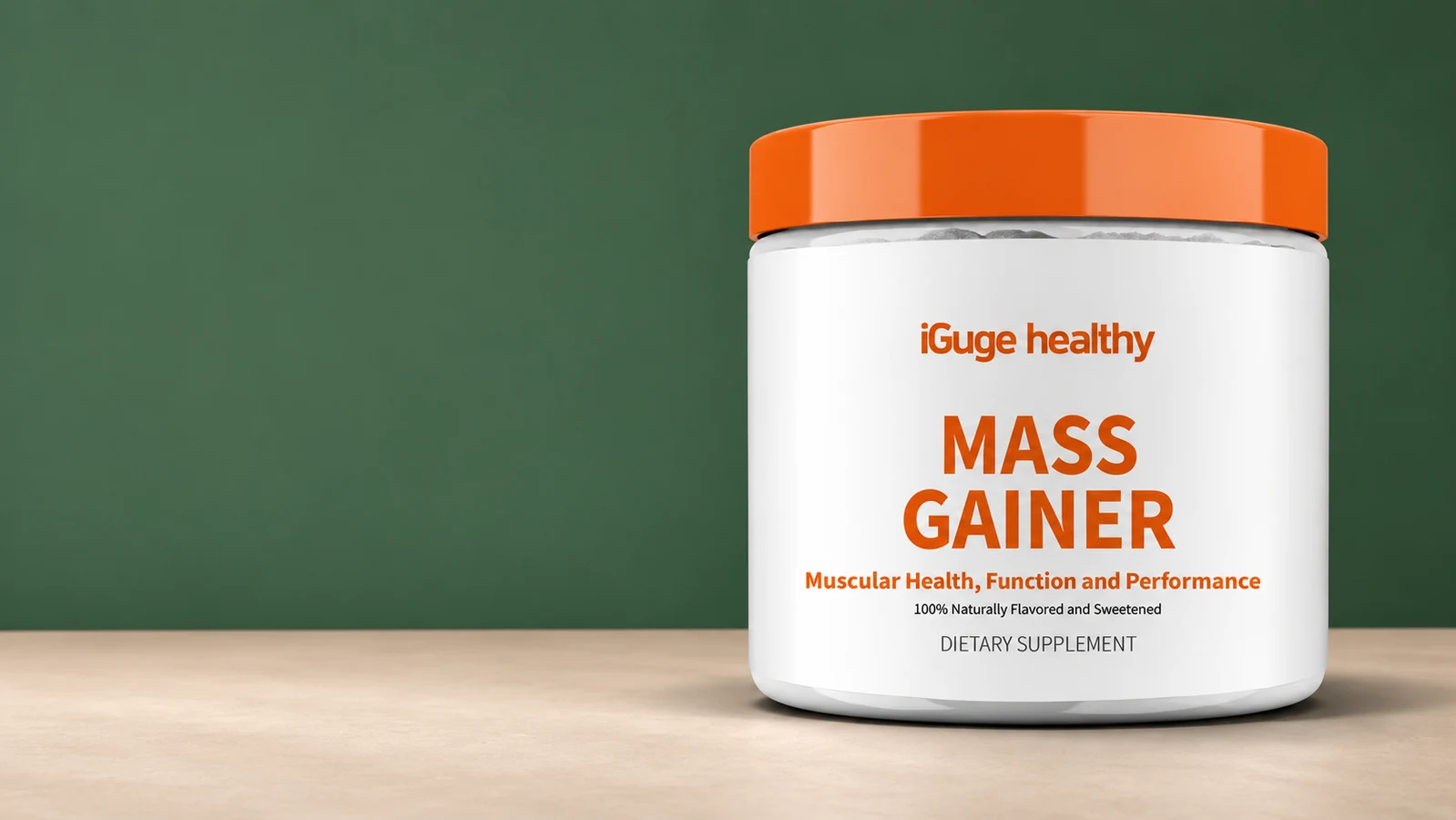
Products in the sports nutrition range illustrate why the intended use matters when defining a sample review. A dry blend intended for mixing needs different handling questions from a ready-to-swallow capsule. This article addresses development handoffs, not individual dosing or health outcomes; formulation and claims decisions require their own appropriate technical and regulatory assessment.
Close Feedback Before Issuing Another Version
When feedback arrives from several reviewers, consolidate it before requesting a revised sample. Otherwise, one team may ask for a flavor adjustment while another approves the prior version. A revision record should say which observations are being addressed and which attributes must remain unchanged. The next sample can then be evaluated as a controlled iteration rather than a new product with an uncertain relationship to the previous one.

Packaging Approval Includes More Than Artwork
Check The Product And Pack As One Combination
Changing a bottle, pouch or closure can alter how a product is handled and protected. The review should identify the contact material, closure system, fill basis and any protective features that the proposed product needs. Questions about moisture, light, oxygen or mechanical handling should be answered through appropriate evidence for that combination. A packaging choice that worked for another formula is a useful reference, not automatic qualification.
Supplement private label manufacturers and brand teams should also agree how artwork changes are controlled. A file name alone is a weak version identifier if different copies circulate by email. Use one approved file, its revision identifier and a record of approval. The print proof and the actual package should be checked against that same reference, including information that appears away from the main display panel.
| Handoff | What Must Be Identified | Evidence Passed Forward | Question Still Separate |
|---|---|---|---|
| Brief to development | Format, serving basis and intended changes | Controlled brief with open questions | Whether the concept is technically feasible |
| Formula to sample | Composition version and provisional inputs | Sample identity and assessment conditions | Whether production scale changes behavior |
| Sample to packaging | Approved attributes and unresolved checks | Feedback disposition and pack specification | Whether storage protection is demonstrated |
| Artwork to printing | Approved revision and package dimensions | Proof approval and controlled production file | Whether finished packs match the proof |
| Production to release | Batch identity and applicable specifications | Reviewed records and disposition | Who authorizes distribution in the destination |
| First order to reorder | Current formula, pack and approved changes | Updated specification and change history | Whether new inputs need additional review |

Agree On The Release Package Before Production
Match Each Record To Its Decision
A certificate of analysis, production record and packaging check serve different purposes. The relevant question is what decision each record supports and whether it refers to the correct batch and specification version. A collection of documents is less useful when the relationships between them are unclear. A review index can connect each required attribute to its supporting evidence and the person responsible for assessing it.
FDA's dietary supplement manufacturing guidance distinguishes manufacturing, packaging and labeling responsibilities and explains that a distributor using its own label needs knowledge of the contracted activities. For Australian listed medicines, TGA guidance describes written agreements between sponsors and manufacturers. These sources support explicit responsibility planning; they do not establish that a particular supplier or product satisfies every applicable requirement.
The company's published scope can help identify the formats and services to discuss, but capability statements need project-specific confirmation. Requested documents should match the proposed operation and destination. A broad certificate or company profile should not be interpreted as proof that every listed product, process step or market is covered.

Keep Changes Traceable Through The Reorder
Change control is especially useful when an apparently minor substitution crosses a document boundary. A new label material can affect printing or adhesion; a different closure can alter packing behavior; an ingredient source change can require a new technical assessment. The review should follow the consequences of the change rather than relying only on its commercial description.
Minimum quantities and lead times also depend on the selected route. Existing components, dedicated artwork, special materials and development work can create different constraints. These factors should be discussed with supplement private label manufacturers after the scope is clear. A number quoted for a standard catalogue item should not be carried into a custom project without confirmation.
Before a reorder, compare the current approved specification with the previous supplied batch and any authorized changes. Confirm that the artwork, formula, package and documentation expectations still refer to the same product version. This simple reconciliation reduces the risk of ordering by an old sample photograph while production follows a newer instruction.
Frequently Asked Questions
Does Private Label Always Mean An Existing Formula?
No. The term can cover different commercial arrangements, from applying artwork to an established product to a broader development project. The agreement should identify which formula, process and packaging elements are established and which require new work.
Is An Approved Sample Enough To Start Production?
Only when the defined approval scope and remaining prerequisites permit it. A sample may establish sensory acceptance while packaging, specification or document questions remain open. Production authorization should be explicit rather than inferred from positive sample feedback.
What Should Packaging Approval Refer To?
It should refer to the physical pack specification and the controlled artwork version, together with the checks needed for the intended product. A digital mockup alone does not establish material suitability, filling behavior or finished-pack conformity.
Who Should Own The Quality Agreement?
The relevant parties should agree and maintain it, with responsibility assigned to people authorized to make the decisions it describes. Ownership should include keeping the document current, resolving changes and ensuring that the agreed records remain accessible.
What Information Makes The First Discussion More Useful?
A product reference, intended format, serving basis, requested changes, package preference and unresolved questions create a practical starting point. Commercial quantities and timing can then be discussed against that defined scope rather than a general request for a similar product.
For a specific private-label concept, the product development enquiry can include the proposed format, current formula or reference, package choice and the approval handoffs that still need an owner.