Vitamin supplement manufacturers demonstrate consistent potency through connected specifications, suitable testing and records that remain meaningful through the product's shelf life. A brand comparing suppliers needs more than an attractive sample or a certificate carrying a laboratory logo. The useful question is whether each piece of evidence describes the same ingredient form, finished formula, serving size, packaging configuration and production lot. When those connections are missing, individually plausible documents can create a misleading picture of readiness.
This guide evaluates manufacturing evidence, not vitamin doses or factory rankings. Catalogue pages show possible directions, not verified order specifications. Apply the same standard to iGuge healthy and alternative suppliers.
Define What the Potency Claim Actually Means
Separate Ingredient Input From Finished-Product Content
A purchasing sheet may describe the amount of a vitamin ingredient added to a blend, while the label describes a nutrient amount per serving. Those are different reference points. Ask the development team to identify the ingredient form, its stated concentration, the proposed serving size and the calculation connecting the formulation to the declared amount. A blend weight alone cannot establish the amount of each vitamin in the finished product. Keep the calculation with the approved specification so that a later ingredient substitution does not silently change the basis of comparison.
Make the Dosage Form Part of the Specification
The same vitamin name can appear in a capsule, gummy, tablet or liquid. That does not mean the formulation behaves identically during manufacturing, testing or storage. A gummy has a different matrix and serving presentation from a powder-filled capsule. The manufacturing proposal should therefore specify the actual format, ingredient forms, target amount, acceptance criteria and intended pack. Treat a change of format as a technical review point, even when the front-label concept stays similar.
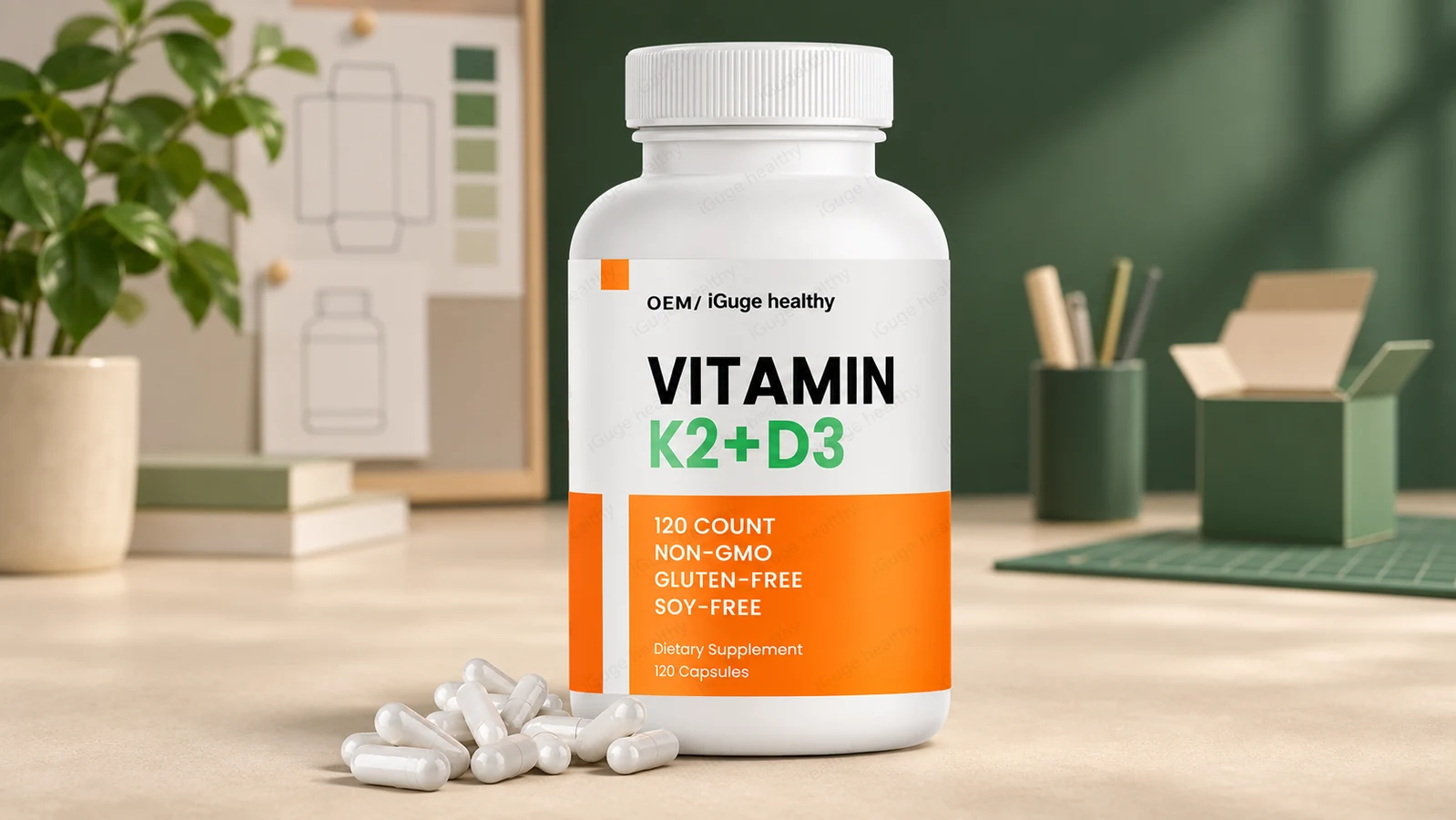
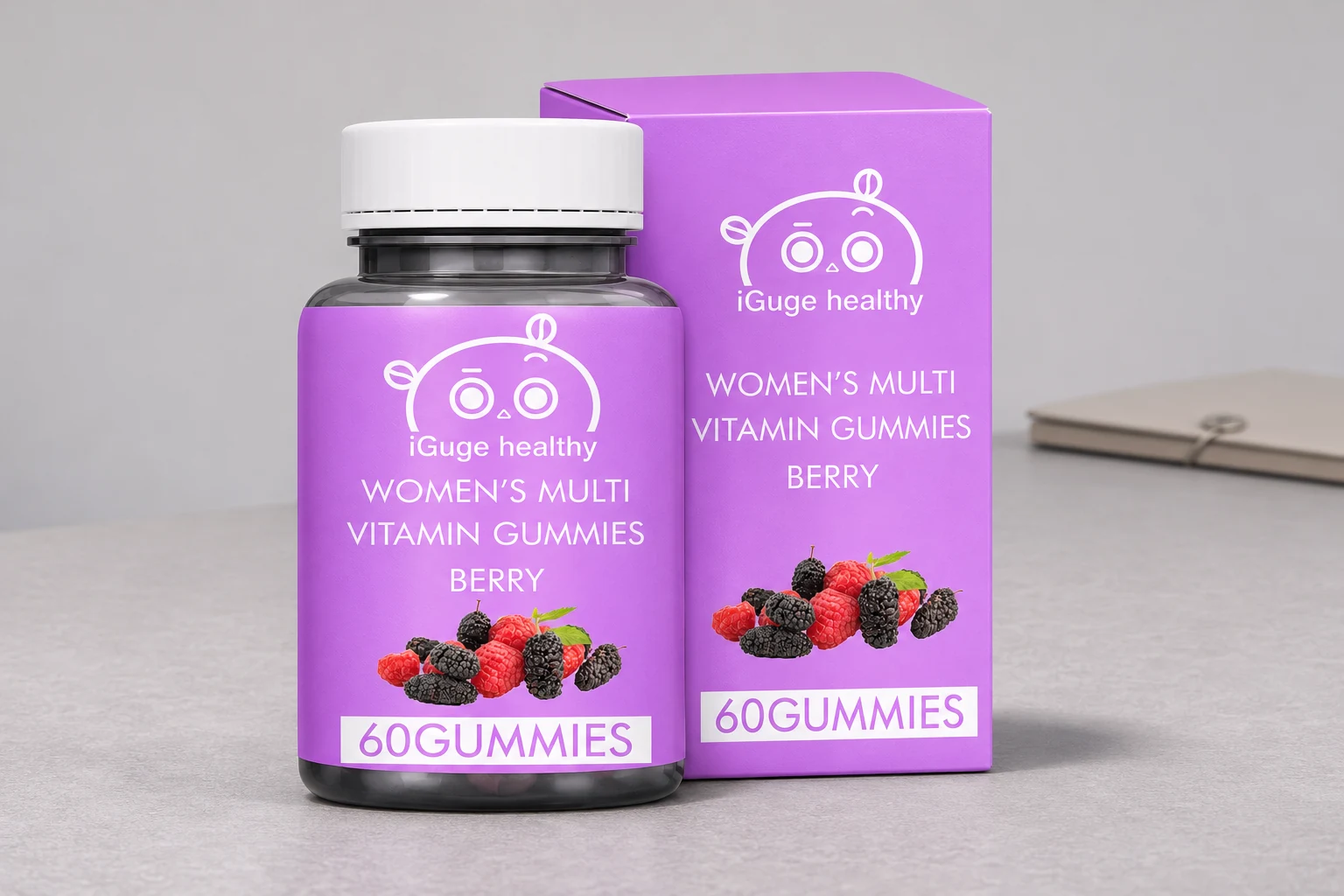
The site's full product collection, multivitamin options and OEM customization process provide starting points for discussing formats and project requirements. They do not replace a signed product specification. For each shortlisted item, distinguish features already documented for that product from options that still require formulation work, sampling or agreement. This prevents a catalogue image from becoming an accidental promise about the final purchase.
Connect the Test Method to the Actual Formula
Ask What the Method Can Distinguish
A result becomes useful only when the analytical methods suit the substance and sample being measured. Request a clear method reference, the tested vitamin or chemical form, reporting units and the laboratory's explanation of suitability for the finished matrix. A method used for a simple raw material does not automatically establish suitability for a complex flavored product. The buyer does not need to recreate the laboratory procedure, but should be able to identify who reviewed it and where the supporting evidence is held.
Read the Result With Its Sample and Acceptance Rule
A certificate of analysis should be reviewed alongside the sample identity, lot number, test date, stated specification and result. Check whether the reported value is numerical where a numerical specification is being evaluated, and whether the units match. A generic “pass” may be inadequate for comparing potency trends even when it serves another reporting purpose. Ask what information is available to the brand and what remains under controlled access with the laboratory or manufacturer.

Follow the Batch Through Manufacturing and Release
Link Material Lots to the Finished Lot
For vitamin supplement manufacturers, traceability makes the difference between a plausible explanation and a reconstructable production history. Request an example of the document chain connecting approved materials, manufacturing instructions, production records, packaging components and the released lot. Confidential commercial details may be redacted, but the relationships should remain understandable. A collection of unrelated sample certificates does not demonstrate that the proposed finished product can be traced through those stages.
Separate Production Completion From Release Approval
A packed pallet is a physical milestone, not necessarily permission to ship. Establish which checks must be complete before release, who reviews them and how the decision is recorded. The release package may include product-specific test results, packaging verification and review of production documentation, with the actual scope agreed for the product and market. Where an external laboratory is involved, distinguish sample dispatch, report receipt, technical review and final release in the schedule.
The FDA's dietary supplement manufacturing guidance describes controls addressing identity, purity, strength, composition and contamination limits. It also explains responsibilities that can remain with firms using contract manufacturers. For a US project, use that framework to clarify roles with a qualified compliance reviewer. A manufacturing claim on a website is not FDA approval of a supplement or confirmation that a particular facility meets every applicable requirement.

Evaluate Potency Through the Intended Shelf Life
Keep Packaging Inside the Evidence Boundary
A release result describes a sample at a point in time. It does not, by itself, show that a label claim remains supported until expiry. Stability data need to be interpreted against the formula, package, storage conditions, time points and acceptance criteria they actually cover. Ask whether the proposed bottle, closure, seal and pack size are represented. If a supplier cites a study from another product, request an explicit technical justification for any proposed use of that evidence.
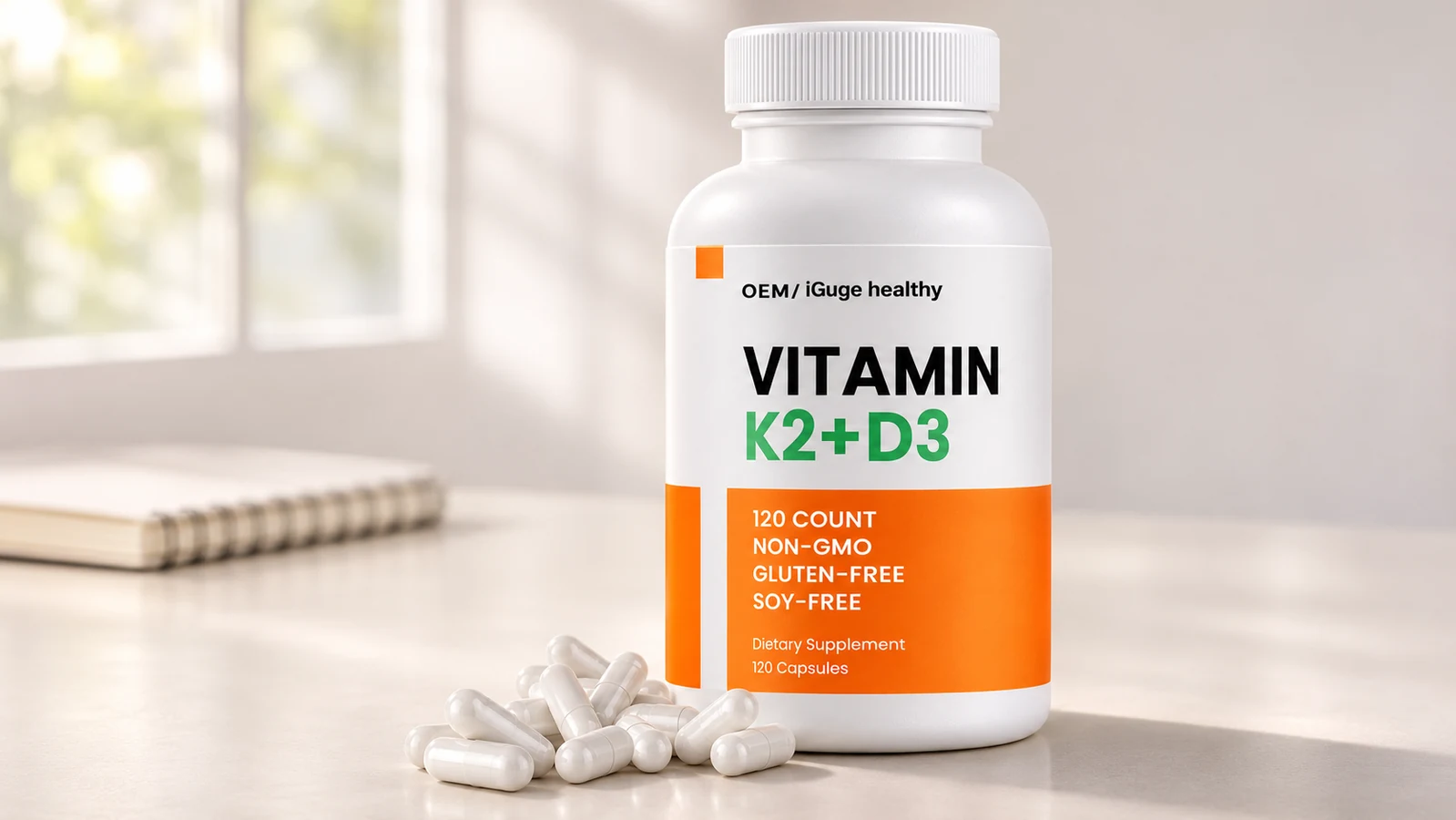
A change from a bottle to a pouch, or from one closure system to another, can raise questions beyond graphic design. The appropriate assessment depends on the product and the change; it should be documented by competent personnel. Do not assume that matching artwork means equivalent protection. The vitamin D3 product direction in the catalogue can support a discussion of the intended format, while the final package and supporting evidence remain project-specific.
Ask How Ongoing Results Affect Decisions
Useful stability data include enough context to distinguish an established result from a future testing commitment. Record completed time points, remaining work, storage conditions and the decision supported by the available evidence. Ask who follows the program and what happens if a later result challenges the assigned shelf life. An accelerated study, an ongoing real-time study and a completed real-time study should not be presented as interchangeable documents.
For Australian listed medicines, the TGA's stability guidance explains the sponsor's responsibility to hold evidence supporting expiry and storage conditions. Whether a proposed supplement is regulated as a medicine or another product category needs a separate market assessment. Do not transfer US classification assumptions into an Australian launch plan. Confirm the applicable pathway and responsible party before using any compliance statement in a commercial brief.
Compare Proposals on the Strength of Their Evidence
A useful comparison does not reward the longest document list. It rewards a coherent, product-specific explanation, with missing information and planned work clearly identified. The following review table is a practical discussion framework for vitamin supplement manufacturers; it is not a certification score or a substitute for an audit. Apply it consistently to the host company and every alternative under consideration.
| Review area | Evidence to connect | Question when the link is missing |
|---|---|---|
| Declared amount | Ingredient form, concentration, serving and label basis | Which documented calculation connects input to the claim? |
| Test suitability | Method reference, finished matrix and reported parameter | Who assessed whether this method answers this specification? |
| Lot traceability | Material identifiers, production history and finished lot | Can the manufacturer reconstruct the chain for one example? |
| Release decision | Required results, review responsibility and disposition | What remains open before the lot may be shipped? |
| Shelf-life support | Formula, package, conditions and completed time points | Which proposed changes fall outside the existing evidence? |
| Repeat orders | Approved version, changes and continuing review | How will the brand learn about a material change? |
Use the outcome to separate a supplier ready for a defined technical review from one requiring substantial clarification. For example, missing product-specific testing may call for an agreed development stage, while conflicting lot identities require reconciliation before the results can support a decision. Neither situation should be concealed behind a broad quality slogan. The company introduction provides background for an initial discussion, but evidence for the actual order must stand on its own.

Frequently Asked Questions
Does a Raw-Material Certificate Prove Finished-Product Potency?
No. It describes the identified raw-material sample and reported tests. The finished formulation introduces a different sample, manufacturing history and possibly a different reporting basis. Ask how the finished-product specification is verified and how the records connect to the relevant ingredient lots.
Should Every Vitamin Use the Same Test Method?
Not necessarily. Suitability depends on the substance, matrix and intended measurement. Compare analytical methods against their documented scope, rather than assuming that one technology is superior for every nutrient. Technical questions should be reviewed by someone qualified to assess the method and its limitations.
Can a Good Sample Replace a Review of Batch Documentation?
No. A sample can support sensory, format and other agreed evaluations, but it cannot show how repeat production is controlled. Batch records and release documentation answer different questions from appearance or taste. Both the sample's identity and the purpose of its evaluation should be recorded.
Is an Existing Shelf Life Automatically Valid After a Pack Change?
No automatic equivalence should be assumed. Request an assessment of the change against the evidence already available and identify any further work required. The answer depends on the actual product, packaging change and applicable requirements, not simply on whether the label artwork stays the same.
What Is the Most Useful Next Step After Shortlisting?
Arrange a focused review of one proposed formula, one pack and an example evidence chain. Record unresolved questions, responsible reviewers and the evidence needed for the next decision. This produces a clearer basis for comparison than requesting a generic promise of premium quality.
A credible manufacturing proposal connects the declared nutrient amount to a defined product, a suitable measurement, an identifiable lot and a justified period of use. When those connections are visible, the brand can evaluate remaining uncertainty without confusing catalogue possibilities, development commitments and completed evidence.