A workable process for importing supplements from china connects product identity, market requirements and shipment records before stock is released. The difficult handoff is often between an approved sample and the cartons that eventually arrive: the formula, label, test documents and packing list must describe the same goods. This article follows that handoff and explains what to establish at each stage, without treating a catalogue listing or a supplier document as automatic permission to sell.
Define the imported item before discussing transport
Separate ingredients, bulk product and finished retail packs
A bag of ingredient powder, a finished blend awaiting local packing and a labelled bottle can create different review tasks. The purchase description should identify which item is being supplied, its intended presentation and who performs any remaining work. An ingredient name such as creatine monohydrate alone leaves too much unresolved: carriers, flavours, capsule shells, sweeteners and packaging materials may also matter. Record the full formulation and the exact version of the finished specification before comparing delivery options.
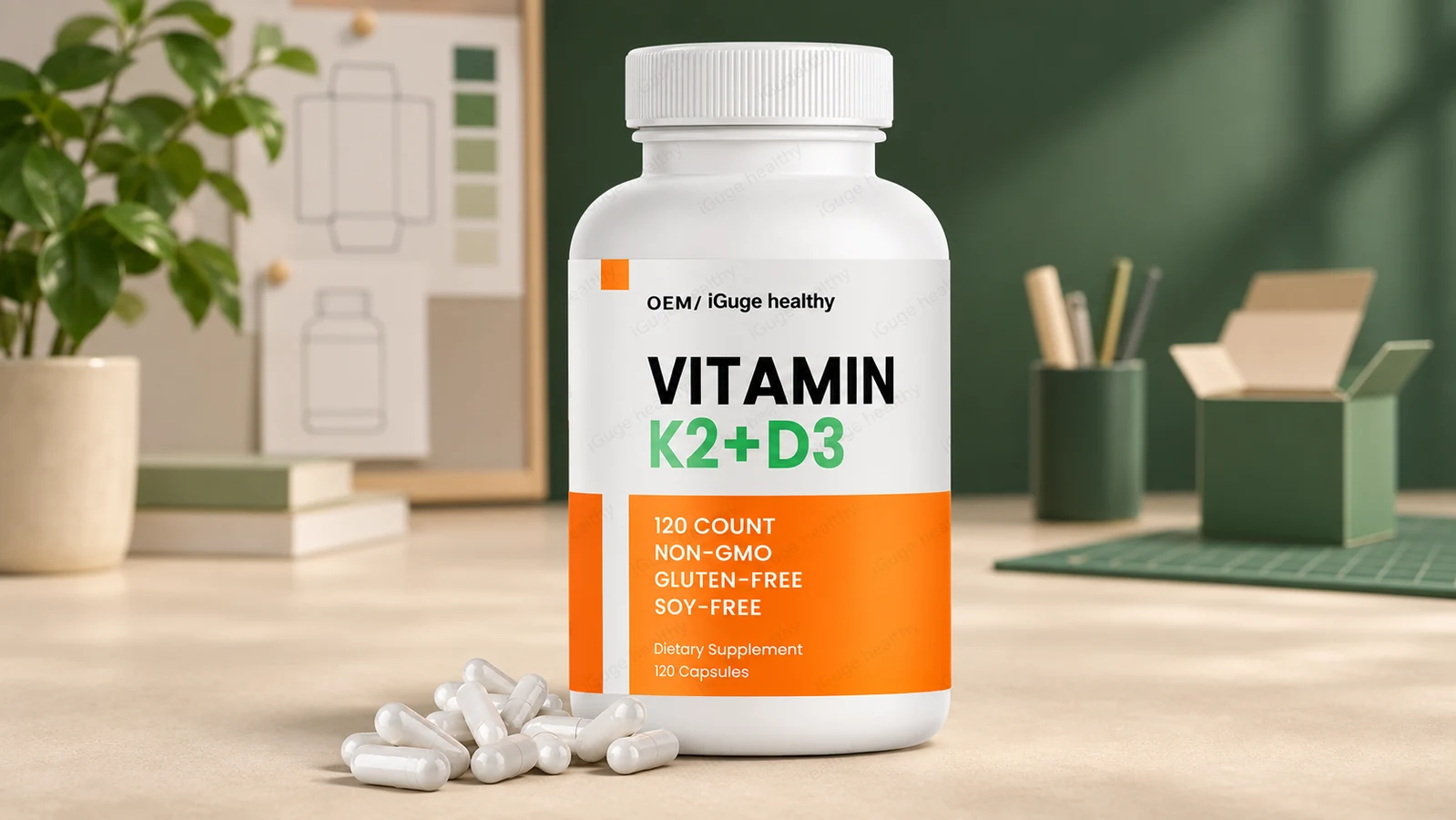
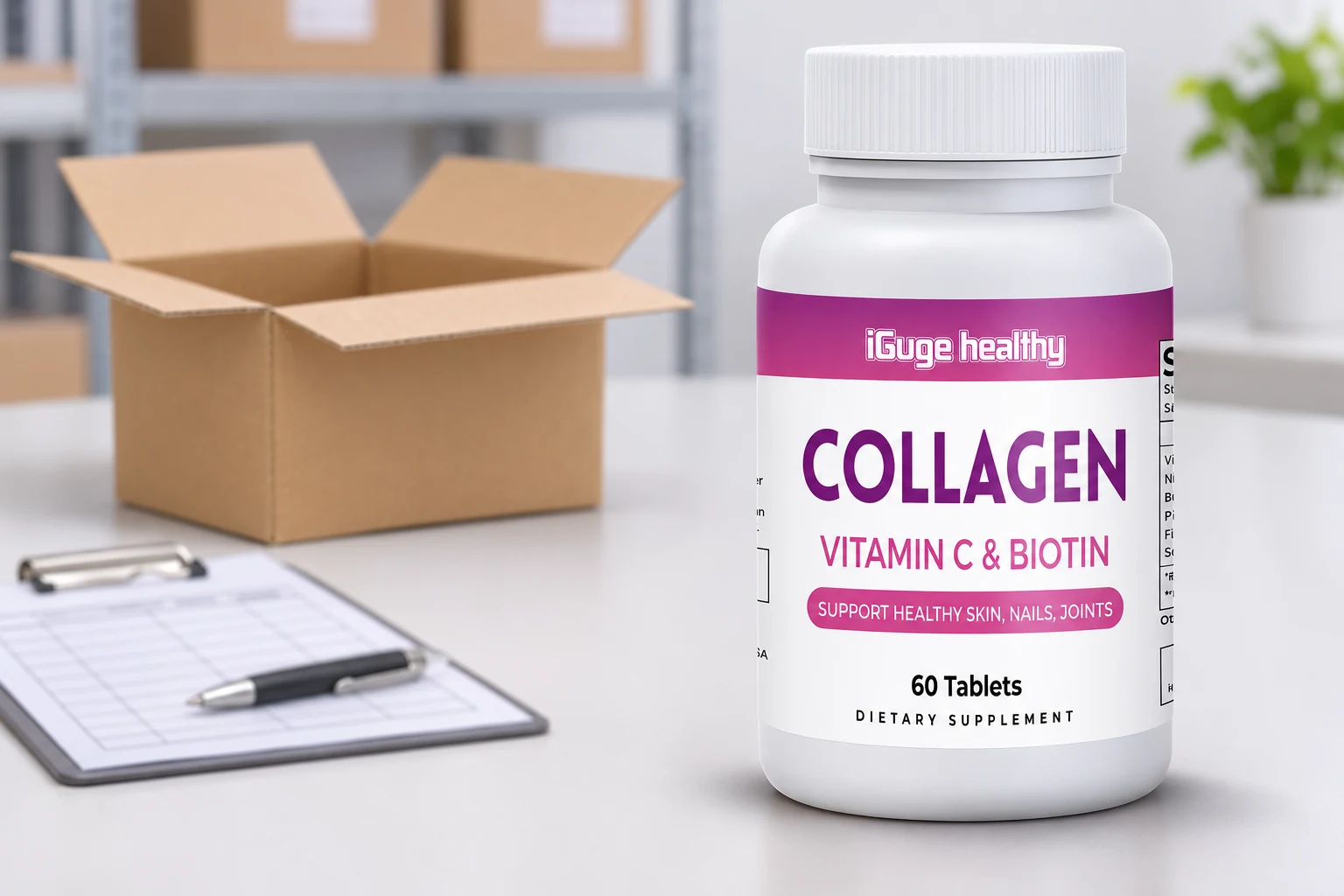
A product catalogue is a starting point for this definition. The iGuge range includes powder pouches and counted tablet bottles, which demonstrate why a single ordering unit is insufficient. A pouch may be sold by net weight while a bottle is sold by tablet count; neither number independently establishes active ingredient content. Link the item code to its formulation, container size, serving definition and artwork revision so later documents can be reconciled without interpreting marketing names.
Resolve classification in the destination market
The commercial label “supplement” does not settle the legal classification in every market. Composition, presentation and intended claims can affect the route. FDA guidance describes different FSVP obligations for dietary supplement imports depending on the product and the parties involved. A reviewer should establish the applicable route for the actual transaction rather than assume that every finished supplement follows the same requirements.
Australia requires a separate assessment. TGA guidance states that therapeutic goods for commercial supply generally need an ARTG entry under the supplier, unless a relevant exemption, approval or authority applies. Personal import arrangements do not establish a commercial supply pathway. The responsible importer or sponsor should confirm the classification and current obligations with qualified regulatory support before the manufacturing specification becomes difficult to change.
Make the sample and label describe one specification
Assign versions to the sample and artwork
A retained sample is useful only when its identity can be reconstructed. Give it a reference that connects to the formula revision, manufacturing date where available, packaging format and proposed artwork. Record which characteristics were evaluated and which were not. A pleasant taste or intact cap is evidence about that sample; it is not confirmation of every batch attribute, stability claim or market requirement.
Keep label review separate from visual design approval. A brand team may approve colour and typography while a technical reviewer still has questions about ingredient names or serving information. Put those decisions in the same revision log, with a clear status for each. When one change affects another field, return the artwork for review instead of assuming the initial approval survives unchanged. An updated serving size, for example, can affect both the directions and the quantities presented per serving.
Convert the retail unit into an unambiguous order
Write down the relationships between individual units, inner packs and master cartons. If the order calls for bottles, specify whether the count includes samples, replacements or promotional stock. If it calls for powder packs, distinguish the net contents from shipping weight. The commercial invoice and packing list should use compatible descriptions, even when their units serve different purposes. A simple conversion sheet prevents a “case” from meaning twelve units in one file and twenty-four in another.
For importing supplements from china, the approved specification should remain the reference when the sample becomes a production order. Product photographs can help confirm format and artwork, but they cannot prove the formula inside a sealed package. Store sample comments, artwork decisions and any unresolved questions together; this makes it possible to identify whether a later discrepancy began with production, packing or an unclear instruction.
Connect quality documents to the released batch
Read the scope behind a certificate of analysis
A certificate of analysis should be read as a record with a defined scope, not as a universal quality verdict. Check the named material or finished product, batch reference, reported tests, methods where provided and acceptance limits. Determine whether the document covers the supplied batch or merely represents a typical result. If a number is compared with a specification, the units and basis must agree. A percentage on a dry basis cannot be compared casually with a result reported on another basis.
Questions about missing tests should be resolved through the agreed specification and the applicable regulatory requirements. Adding a long generic test list after production can create expense without answering the relevant risk. Conversely, a short report does not demonstrate that all necessary checks were performed. Request clarification on what the report establishes, what the manufacturer releases against and which responsibilities remain with the importer. Keep the original document alongside any translated explanation.

Keep supplier information and batch evidence distinct
Facility information, quality-system documents and a batch report answer different questions. A facility document may describe an organisation or scope; a batch record concerns a specific production event. Check names, addresses, validity dates and the operations covered before relying on either. A document issued to a related company should not silently become proof for the manufacturer named on the order. The file should explain that relationship when it is material to the transaction.
Keep changes visible through manufacturing and packing
Define what must trigger a new review
Ingredient substitutions, a different manufacturing location, altered packaging and revised claims can change the basis of an earlier approval. The agreement should identify changes that need notification and explain who can accept them. “Equivalent” is too vague when it masks a different ingredient source or container barrier. Record the proposed change, its reason and the affected documents before allowing a replacement to become the new baseline.

Agree what happens when a discrepancy remains open
A release process needs a hold state. Specify how an unresolved label mismatch, inconsistent batch reference or damaged sample is recorded and who decides the next step. This avoids pressure to treat a booked collection date as acceptance of the goods. The goal is a clear disposition: accept against the agreed basis, correct and recheck, or hold pending further evidence. A verbal assurance should be converted into an identifiable record before it is used to close a material issue.
Reconcile the shipment before handing it over
Shipment readiness is a comparison exercise. The commercial description, batch references, quantities, packaging revisions and responsible parties should form one coherent account. The table below is a practical review aid, not an exhaustive regulatory checklist. Its purpose is to expose contradictions early enough that the parties can correct them before collection, customs processing or warehouse receipt.
| Record | What to reconcile | Mismatch worth resolving |
|---|---|---|
| Approved specification | Item code, formulation and retail format | Different formula revision on the order |
| Artwork approval | Serving information, count and revision | Old artwork still shown on packed stock |
| Batch quality file | Lot identity and agreed release basis | Report refers to a sample or different lot |
| Commercial invoice | Goods description and sale quantities | Ambiguous units or unrelated product name |
| Packing list | Carton counts, unit conversions and weights | Totals do not match the packed quantity |
| Handover record | Collection, seal details where relevant and exceptions | Damage noted without a disposition |
Clarify who prepares each document and who checks it. A logistics provider can assist with shipment information, but its involvement does not automatically transfer all product responsibilities. Ask the responsible parties to confirm the required import filings and supporting evidence for the specific route. The internal file should record their conclusions, not substitute a generic internet checklist for that assessment.

Close the loop at receiving and repeat ordering
The process of importing supplements from china continues after delivery. Receiving staff should compare the delivered goods with the expected item, lot and quantity, record visible damage and segregate unresolved discrepancies under the agreed procedure. A delivery signature and a quality release serve different purposes. Make that distinction clear so a routine receipt does not erase an open technical question.
For the next order, review what changed rather than merely duplicating the previous purchase. Confirm that the product, destination-market assessment and responsible parties still match the earlier basis. Revisit documents whose validity or scope may have changed. A useful import workflow ends with a clear chain from agreed product to received stock, plus a short list of matters that need attention before the next batch.
Frequently asked questions
Does a supplement catalogue prove that a product can be imported?
No. It identifies a potential product and its advertised presentation. Classification, composition, claims and the commercial supply route still need review for the destination market. A catalogue image cannot establish that the ordered batch meets those requirements.
Is a certificate of analysis enough to release a shipment?
It is one part of the evidence. Its batch identity, test scope and results need to be considered against the agreed specification and applicable obligations. Packaging, label approval and unresolved discrepancies also remain relevant to a release decision.
Can a sample approval cover later formula changes?
Only if the change is assessed and accepted under the agreed process. The safer record connects each approval to a defined version. Changes to ingredients, serving information or manufacturing arrangements should not inherit an earlier approval automatically.
Why do net weight and shipping weight differ?
Net contents describe the product quantity, while shipping weight can include containers, cartons and protective materials. Both may be useful, but they answer different questions. The packing list should make the basis clear rather than force a comparison between unlike quantities.
What is the most useful outcome of a first import order?
Alongside acceptable goods, it is a repeatable record of who supplied each document, how discrepancies were resolved and which checks supported release. That record exposes weak handoffs and provides a concrete starting point for the next order.