Developing private label nutrition supplements requires formula, serving format and packaging decisions to be reviewed together. A change that looks small in a product brief can affect taste, fill weight, label space or production readiness. This guide uses sports nutrition powders as practical examples and explains how to keep those decisions connected before a specification is approved.
Define The Product Before Choosing Its Customization Route
A useful starting point is a product description that another person can evaluate without guessing. “A premium nutrition powder” leaves most development questions open. A brief that states the intended preparation, preferred ingredients, serving experience and pack format gives the discussion a workable boundary.
Separate Fixed Requirements From Preferences
Record which requirements cannot change and which are open to development. An ingredient exclusion may be fixed, while flavor strength may be negotiable. A retailer's shelf dimensions may be fixed, while the number of servings may remain open. Giving every preference the same priority makes it difficult to resolve a conflict when the sample cannot meet all of them together. Rank the requirements and name the person who can approve a tradeoff.
The current product collection can help identify a starting format, but a catalogue photograph is not a complete formula brief. Record the exact reference item and the changes requested. An existing powder with new artwork, a revised ingredient blend and a newly developed serving format represent different scopes of work even when they share a similar brand concept.
Choose The Reference For Its Relevant Attributes
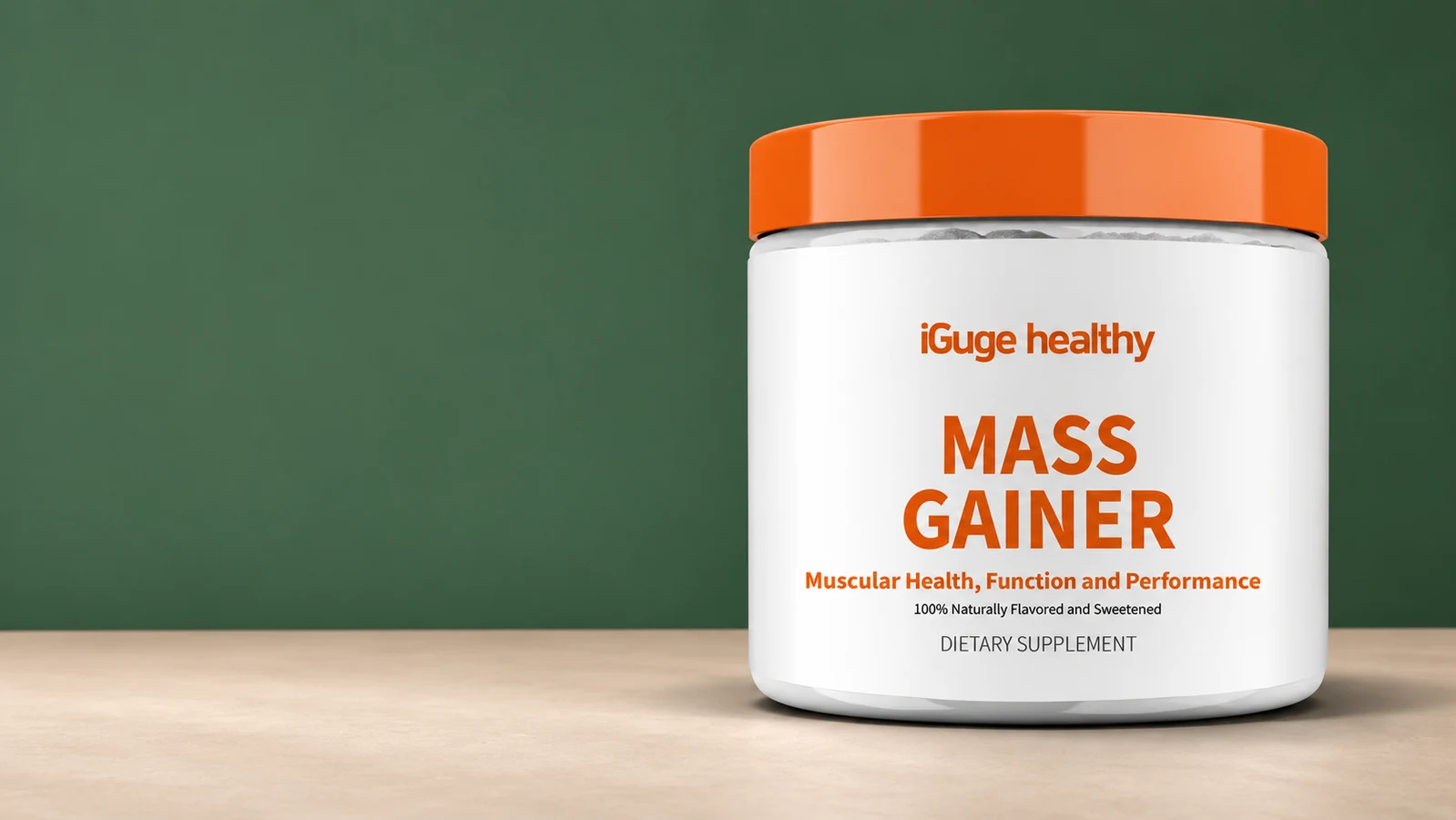
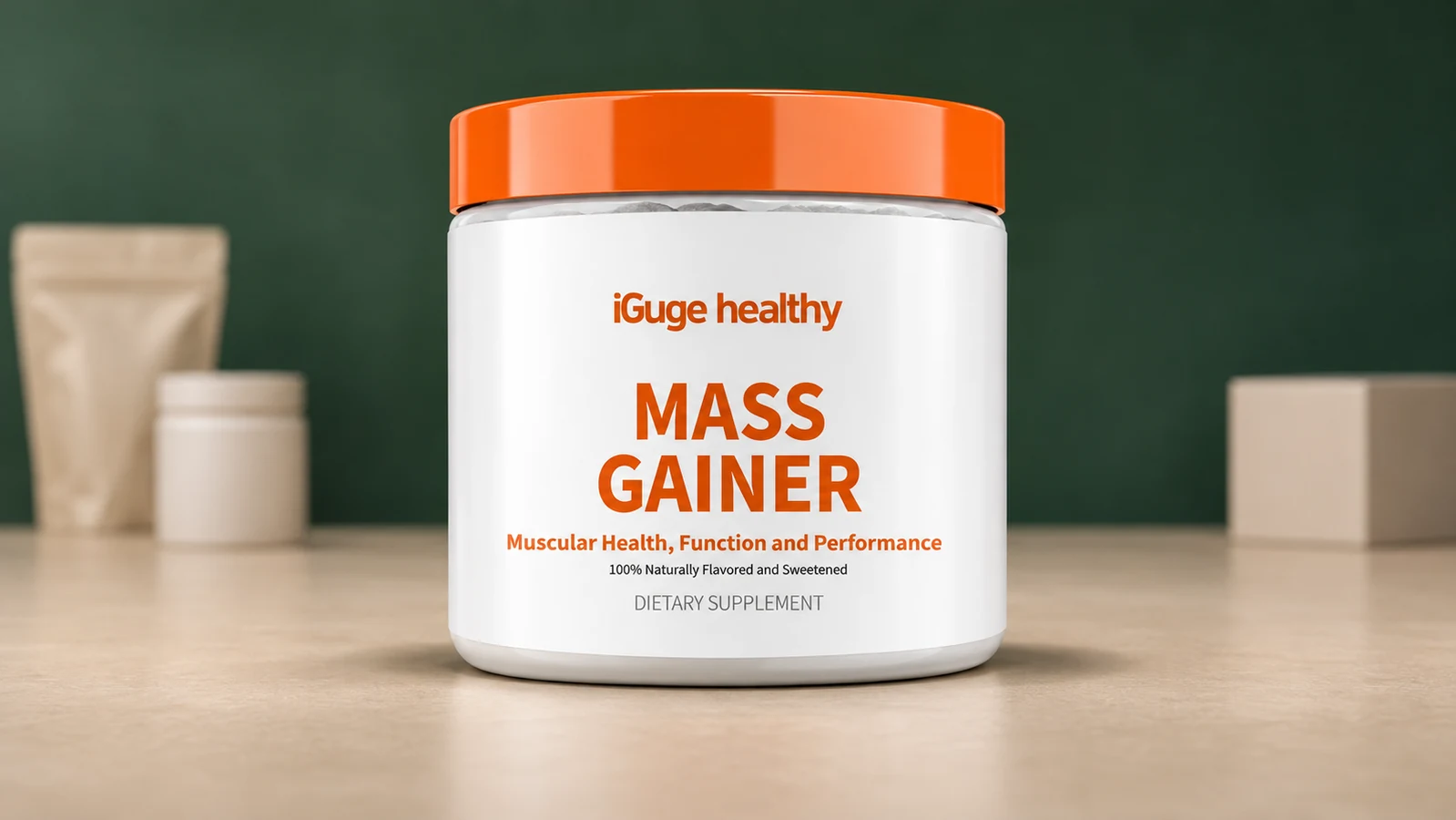
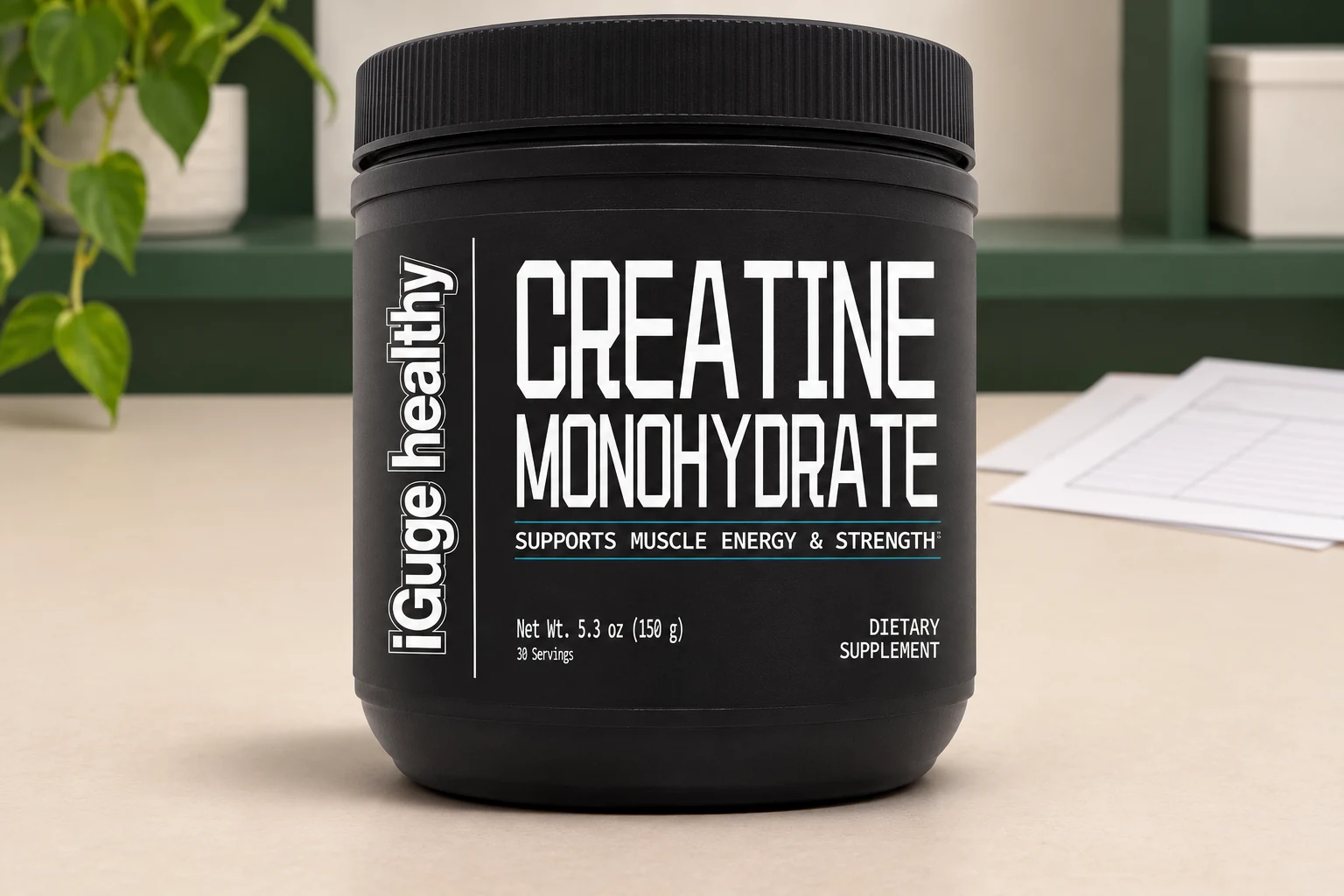
A reference should explain what is being borrowed: the format, flavor direction, pack structure or ingredient profile. It should also identify what is not being copied. For example, a simple creatine powder can illustrate a focused ingredient format, while a mass gainer powder provides a different starting point for discussing a broader blend. Neither example establishes the specification, suitability or claims of a proposed new SKU.
Review Ingredient Choices Through The Serving Experience
For private label nutrition supplements, an ingredient list is only one part of the product. The proposed amount per serving must fit the way the product is prepared and used. A powder intended for mixing into water raises different development questions from a capsule, gel or ready-to-drink product.
Connect Composition, Portion And Preparation
A formula brief should specify the intended serving mass, preparation liquid and volume, and whether the product will be shaken, stirred or blended. These details make sensory comparisons more meaningful. Two samples prepared with different amounts of water can appear to have different sweetness or texture even when the formulation difference is small. Keep the preparation method consistent before deciding which sample is closer to the brief.
A sports nutrition powder may combine several ingredients with different contributions to taste and mouthfeel. Increasing one component can change the space available for others within a chosen serving mass. Treat this as a formulation question to test, not a reason to assume that a longer ingredient list produces a better finished product.
Turn Sensory Feedback Into Comparable Observations
Replace comments such as “make it better” with observations that can guide another sample. Separate sweetness, aftertaste, aroma, visible settling and texture. Note the sample code, preparation method and elapsed time before assessment. A preference recorded immediately after mixing is not the same observation as one recorded after the drink has stood for several minutes. Neither observation, by itself, establishes shelf life or safety.
Sample approval should identify the version accepted and the remaining open questions. If flavor is accepted while the final pack is still under review, record those as separate decisions. This prevents a favorable tasting session from being treated as approval of a label, a production process or a finished retail presentation that has not yet been evaluated.

Make The Pack Specification Part Of Formula Development
Packaging is part of the product experience. A container, closure and serving tool must work together with the fill and intended use. The printed label is only one part of that system, so approving its appearance before the physical pack is defined can create avoidable revisions.
Check Fill, Access And Repeated Use Together
The same net weight can occupy different volumes in different powders. A jar or pouch chosen from appearance alone may therefore be unsuitable for the intended fill. Ask for the proposed container and fill combination to be reviewed together. Consider headspace, access to the contents, closure operation and how a serving tool will be supplied when one is included. Do not infer those details from a single front-view product image.
Single-serve packaging changes the questions. It can make the intended portion more explicit, but seal quality, opening behavior and the amount left in the pack still matter. A multi-serve jar introduces repeated opening and consumer handling. The better choice depends on the product and use case, rather than an assumption that one packaging format is always more professional.
Approve Artwork Against The Final Physical Dimensions
A pack specification should identify the container, label area, closure, net contents and retail grouping. Review artwork at its actual printed size, including the space required for mandatory information and variable production details. Moving a design from a large jar to a narrow stick pack is a layout decision, not simply a uniform reduction in image size.
The oral-film format example demonstrates why a different serving presentation can require a different packaging conversation. Its visible design references should not be used to transfer a minimum order quantity or technical specification to a powder project. Confirm the applicable materials, print process and quantities for the selected combination.

Use Approval Gates That Match The Decision Being Made
A practical approval process separates what has been demonstrated from what remains an assumption. This matters for private label nutrition supplements because formula, sample, packaging and production documents often progress at different speeds. A single “approved” message can conceal those differences.
Match Each Document To Its Evidence Boundary
An ingredient specification describes an input; it does not establish every property of the finished product. A sample evaluation records what was assessed under stated conditions. A certificate of analysis needs to be checked for the material or batch it covers, the parameters reported and the relevant specification. These records answer different questions and should not be treated as interchangeable proof.
For products entering the United States, the applicable dietary supplement manufacturing requirements address specifications and production controls. For Australia, product classification can depend on ingredients, presentation and claims. Determine the applicable route for the actual product and market before final artwork approval. A manufacturer's general document or a reference package does not resolve the classification and labeling requirements of a new formula.
Record Changes Without Losing The Approved Baseline
Keep the approved formula brief, sample code, pack specification and artwork version linked to one SKU record. When a component changes, identify the decisions that need to be reopened. A new flavor may require another sensory review. A different container can affect fill and artwork checks. A changed ingredient source may require document review even when the front label looks unchanged.
This is also where responsibilities become concrete. Name who prepares each specification, who reviews it and who gives final approval. Agree how exceptions are recorded. An email thread containing several sample photographs is harder to interpret than a short approval record that states exactly which version was accepted and which conditions still apply.
| Decision | Evidence To Review | Linked Decision | What Remains Separate |
|---|---|---|---|
| Formula direction | Ingredient and serving brief | Format feasibility | Finished product approval |
| Development sample | Version and evaluation notes | Preparation method | Commercial batch release |
| Physical packaging | Container, closure and fill review | Artwork dimensions | Final label compliance |
| Printed artwork | Approved proof and required text | Market and formula version | Manufacturing readiness |
| Production handover | Agreed specifications and open-item status | Material availability | Evidence for an untested change |
Transfer The Approved Product Into A Repeatable Production Brief
Before scheduling production, reconcile the documents with the physical sample and packaging choices. The order should refer to the same formula and artwork versions that received sample approval. Record any difference between development materials and the planned commercial materials, together with the review required for that difference.
Quantity and timing should be confirmed for this complete combination. A headline minimum quantity does not necessarily describe every formula, pack material and print option. Likewise, an estimated production period may depend on approvals and materials being ready. The project discussion becomes more useful when these dependencies are visible, rather than represented by an unsupported universal promise.
A repeat order benefits from the same discipline. Reuse an approved specification only after confirming that the relevant ingredients, pack components and requirements still match. Record deviations before they become an unexpected difference in the delivered product. The purpose is a traceable product definition that can be understood by the development, packaging and production teams.

FAQ
Do Private Label Nutrition Supplements Always Use An Existing Formula?
No. The term can describe projects with different development scopes. Some start with an existing product and focus on branding or packaging; others involve agreed formula changes. Confirm the actual specification work and approvals in the proposal instead of relying on the private label description alone.
Can A Preferred Ingredient List Be Moved Directly Into Any Format?
Not automatically. Serving amount, preparation, taste and the practical requirements of the format must be considered together. A powder brief is not a finished capsule or gel specification. Review feasibility before treating the format change as a packaging-only adjustment.
What Should Be Included In Sample Feedback?
Include the sample version, preparation method, observations and the decision requested. Separate accepted attributes from changes still required. Feedback is more useful when another reviewer can reproduce the assessment conditions and understand which product version the comments describe.
Does An Attractive Reference Label Establish Market Readiness?
No. Reference artwork can explain a design direction, but the finished label must match the actual formula, pack and destination-market requirements. Product classification, required information and supported claims need their own review before a print proof is approved.
The most useful customization decision is the one whose consequences are understood. Connecting formula, serving experience, packaging and approval evidence gives each revision a clear purpose and leaves a more reliable specification for the next stage.