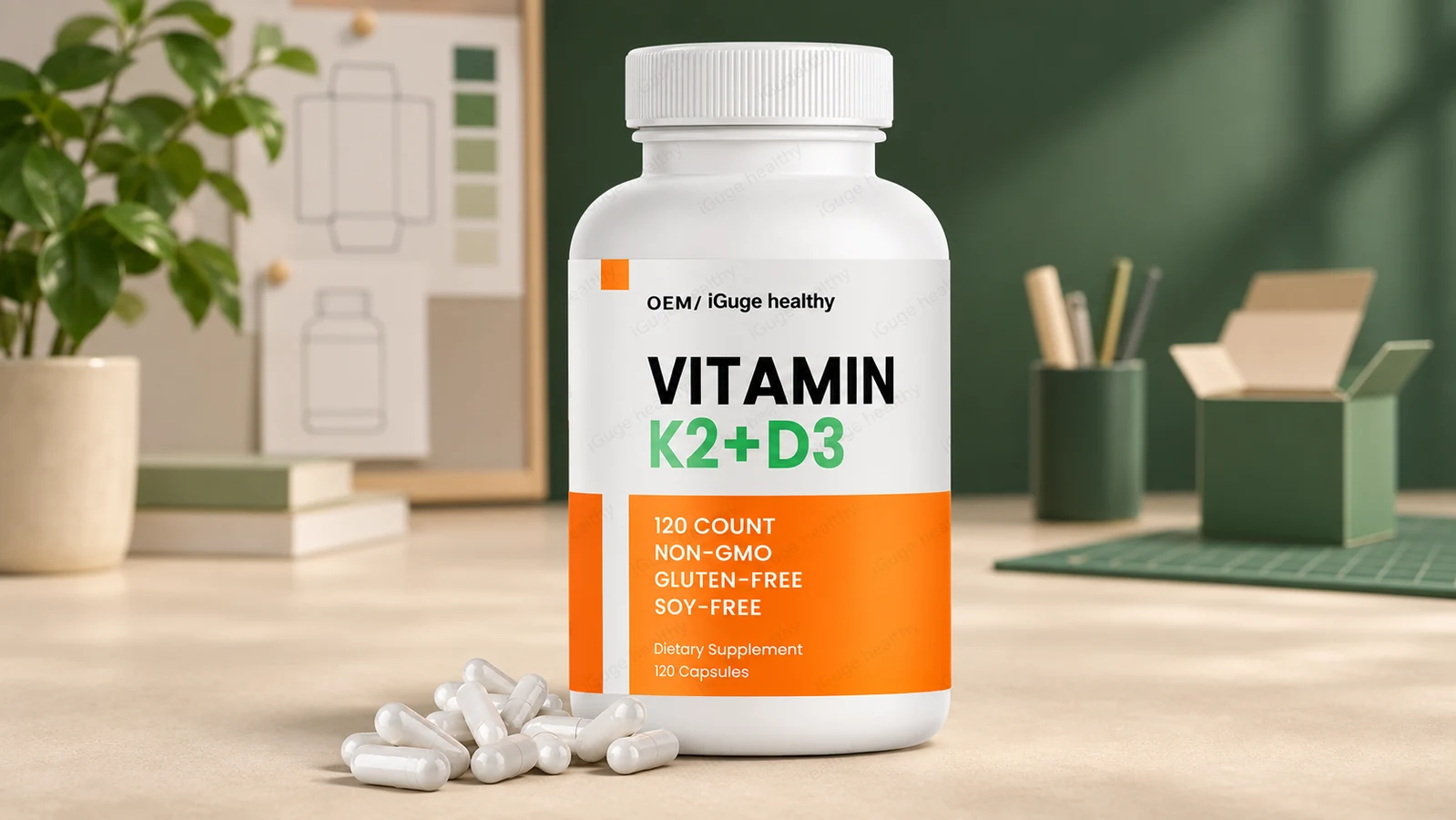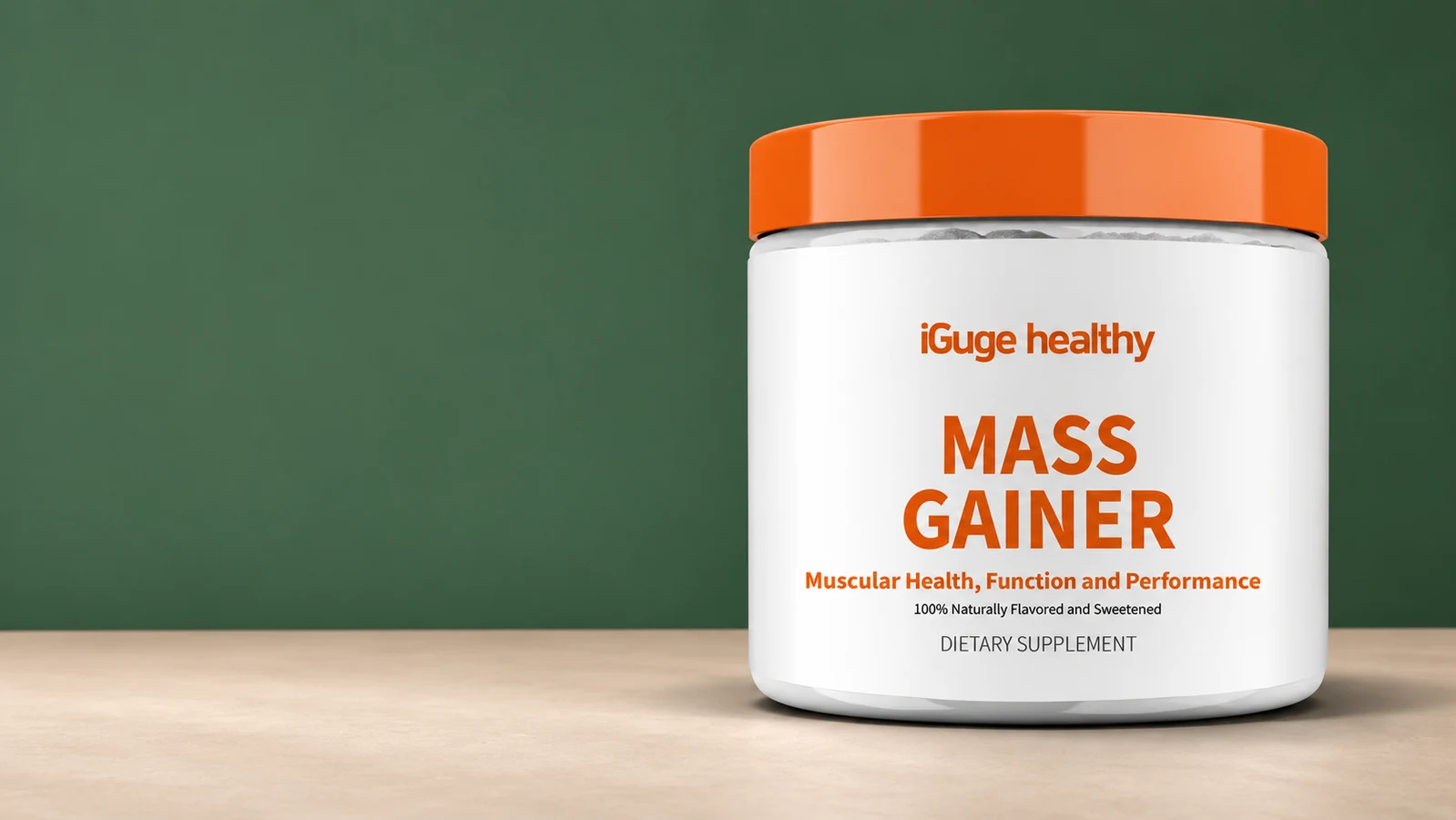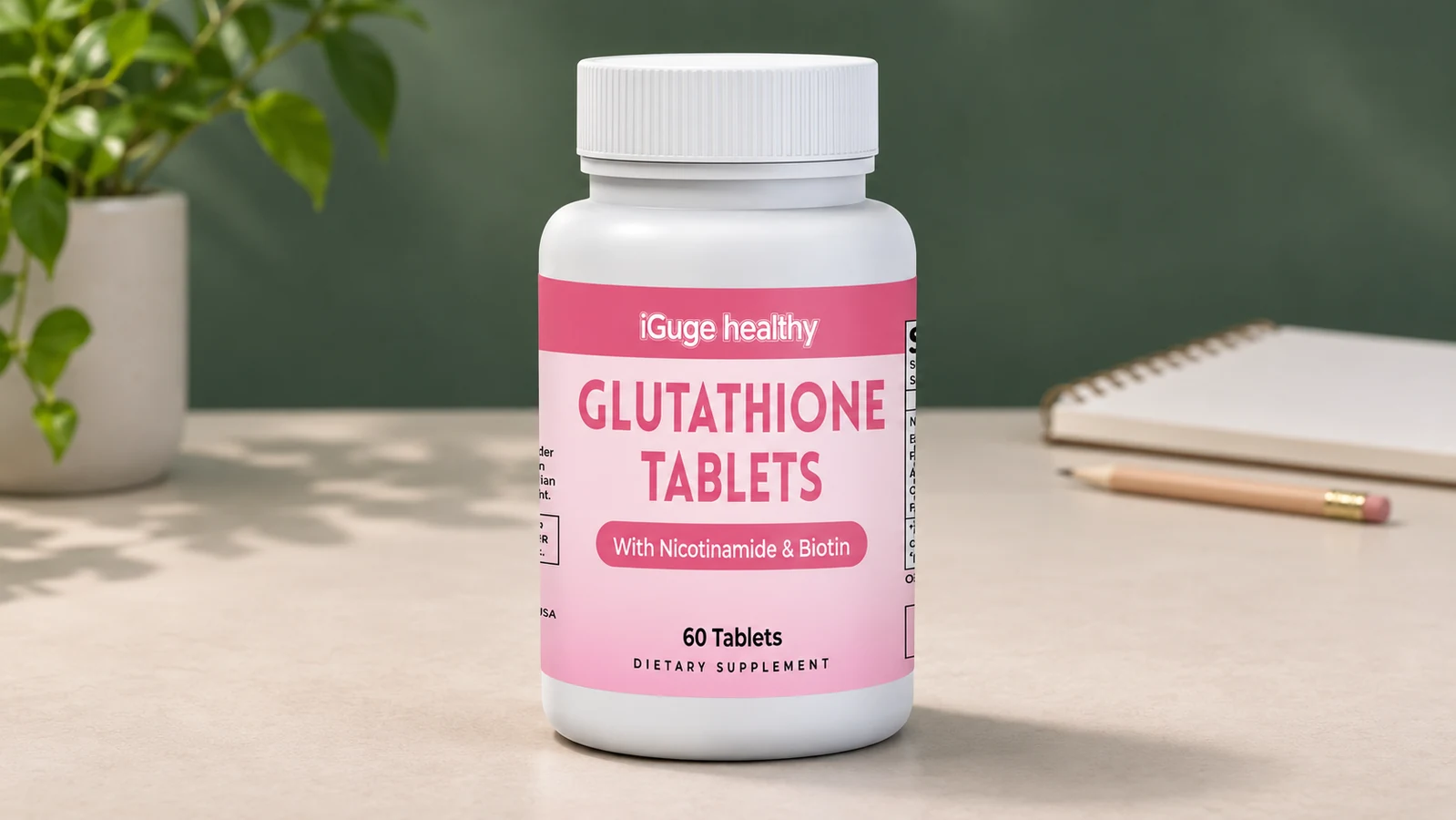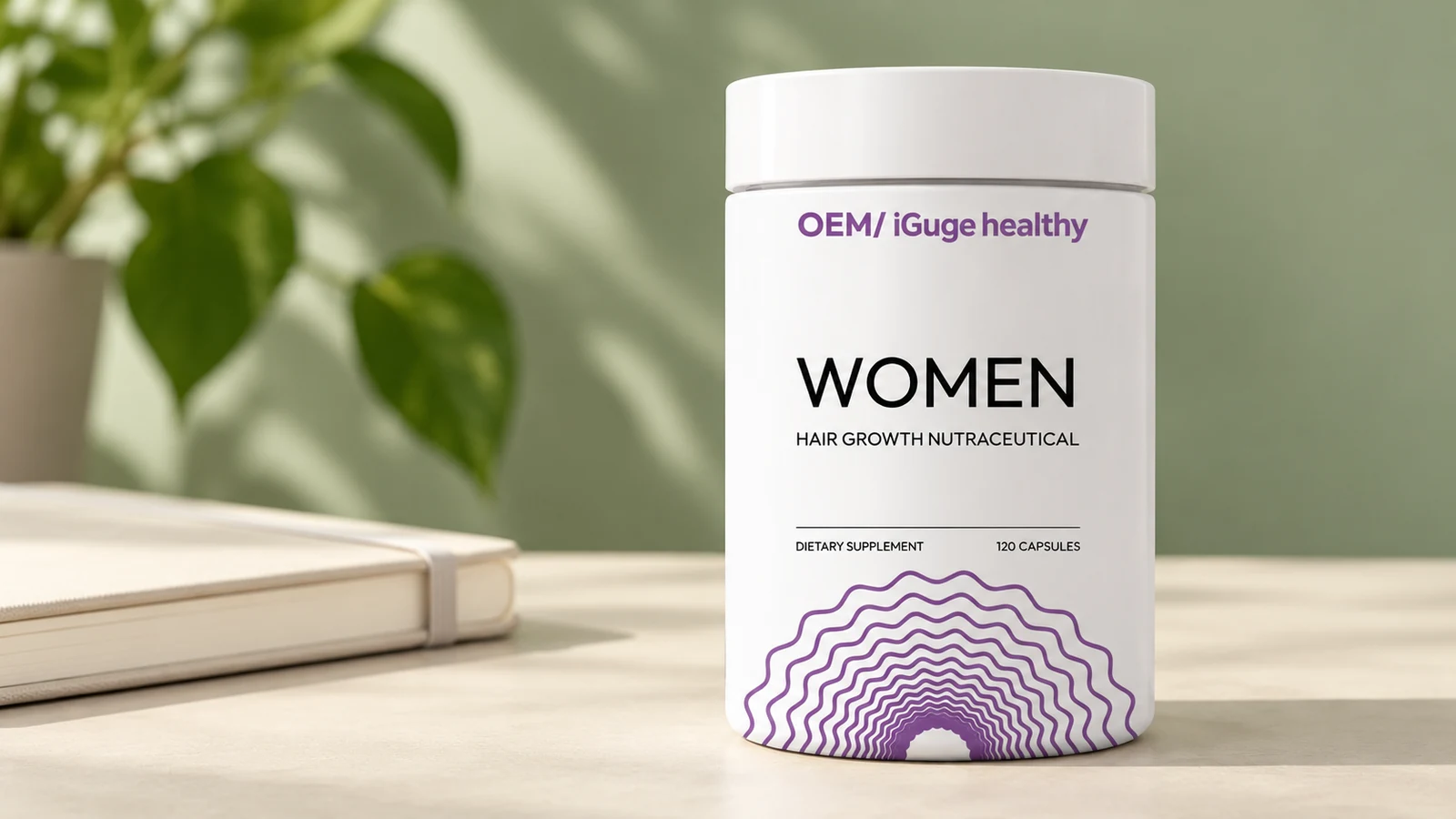
An OEM supplement manufacturer needs one approved product definition that connects the formula, sample and packaging before production begins. A pleasant sample and an attractive label can still describe different versions of the intended product. The useful question is whether the agreed ingredients, serving format, pack contents and release evidence travel together through each approval.
Define What Is Being Customized Before Requesting A Sample
The first decision is which parts of the product are fixed and which remain open. A supplier cannot prepare a meaningful proposal when the formula is treated as settled in one conversation and still exploratory in another. The brief should identify the intended product category, format, ingredient preferences, exclusions and packaging direction without turning early preferences into unverified promises.
Separate An Existing Formula From A Development Request
An existing catalogue item can provide a starting point, but its published presentation is not automatically the specification for a new order. The current supplement and beverage catalogue spans several product families. Confirm which particular item is being considered and whether the proposed work changes ingredients, flavor, serving format, fill quantity or only the outward branding.
Give Open Questions Their Own Status
Keep confirmed requirements separate from options and unresolved questions. Give each open item an owner and a decision date tied to the work that depends on it. A preferred ingredient, label statement or shipping date remains provisional until the responsible parties confirm its basis.
Make Sample Approval Refer To A Specific Version
Connect The Sample To Its Formula And Preparation Conditions
Record the sample identifier, formula version, preparation date where available, supplied format and any known difference from the intended commercial product. Review conditions should be consistent enough to explain the feedback. For a powder, the stated preparation method matters; for a capsule presentation, appearance and pack arrangement answer different questions from analytical composition. Sensory acceptance is not proof of ingredient identity or strength.
Separate Approval From A Request For Another Revision
Feedback should state whether the sample is accepted, rejected or accepted only after named conditions are resolved. “Looks good, but change the serving format” is a revision request, not an approval of the revised product. The next formula version needs its own assessment of the change and a decision about which checks must be repeated. Keep earlier comments attached to the version they actually describe.
An OEM supplement manufacturer should be able to identify which sample the production baseline references. If a flavor, ingredient source or format changes after that decision, document the reason and evaluate the effect before proceeding. The required level of reassessment depends on the change; neither automatic full repetition nor automatic acceptance is a substitute for an explained technical review.
Ask What Evidence Supports Each Product Requirement
Evidence should answer a defined question about the proposed product. A document with a familiar heading can still apply to a different material, batch or test scope. Begin with the requirement, then identify the record, examination or test that supports it and the person responsible for reviewing the result. This keeps the discussion tied to the order rather than a general collection of certificates.
Distinguish A Product Specification From A Reported Result
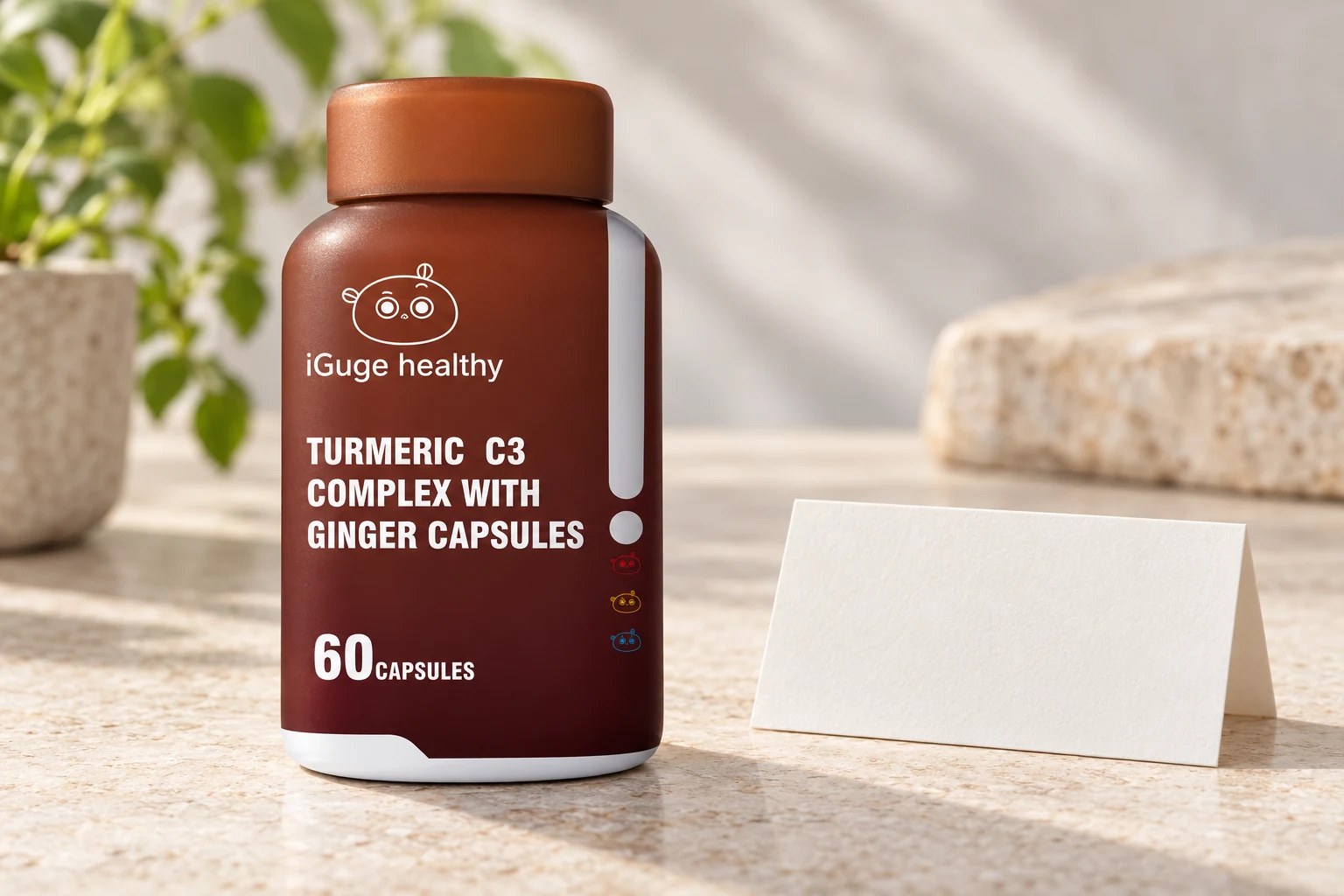
A specification defines what must be met; a report records a result for an identified sample under a stated method. Ask whether the document concerns an ingredient or the finished product, which lot it represents, and whether its scope matches the requirement. A result cannot be interpreted fairly without the relevant acceptance basis. Unclear units, missing sample identity or an unrelated product name require clarification. The turmeric capsule presentation identifies one finished pack, not a specification for every project.
FDA guidance distinguishes written manufacturing instructions from the record of an individual batch. It also explains that contracted operations do not erase the responsibilities applicable to the parties' own activities. For an OEM project, this supports a limited practical lesson: identify the records and review duties that apply to the actual arrangement. It does not establish that any supplier or pictured facility has been inspected, certified or approved.

Testing, examination and document review should be agreed for the intended product and market. Where a proposed claim or technical requirement needs specialist interpretation, resolve it before the text is printed. A generic quality statement cannot replace product-specific evidence, and an illustration cannot demonstrate analytical performance. The company introduction supplies organizational context rather than independent verification of every project requirement.
Review The Packaging Specification Alongside The Formula
The pack communicates and contains the product, so its approval belongs beside the formulation decision. Confirm the container type, closure, fill or unit count, label dimensions, supplied artwork version and any agreed handling or protection requirements. A packaging specification should identify the actual components and their relationship, not merely describe the overall look as premium or natural.
Check The Pack Contents Against The Approved Copy
A change in serving format or pack quantity can affect multiple places in the artwork. Product name, ingredient information, declared contents and use-related text must refer to the same approved product. This is a consistency review, not permission to invent claims or infer market authorization from a catalogue image. The responsible reviewer should assess the final text and any requirements applicable to the intended sale.
Use a single proof identifier so comments do not become divided among email attachments and printed copies. Mark which language, size and packaging configuration the approval covers. An approval for one presentation does not automatically authorize a second pack. If an outdated proof has already been sent for printing, identify the affected materials and decide their disposition before mixing them with the current order.

| Approval item | Record to identify | Question it resolves | Common mismatch |
|---|---|---|---|
| Product definition | Formula and format revision | What exactly is proposed for manufacture? | Quotation and sample refer to different revisions |
| Sample decision | Sample identifier and approval conditions | What was assessed and what remains open? | Positive feedback is mistaken for unconditional acceptance |
| Pack components | Packaging specification and component references | Which container, closure and contents are agreed? | Temporary sample packaging becomes the assumed final pack |
| Printed information | Final artwork proof identifier | Does the text match the current product? | A revised formula is paired with an earlier label |
| Production handover | Approved baseline and unresolved-item log | Can production distinguish released work from pending work? | A schedule advances while a dependent decision remains open |
| Order acceptance | Agreed checks and order-specific records | What evidence supports acceptance of this delivery? | General supplier material substitutes for batch-specific review |
Confirm compatibility and protection for the actual product and pack. Similar-looking containers may have different closures, liners or barrier properties. Record the required evidence and review any proposed component substitution.
Control Changes At The Handover To Production
The handover should make it easy to find the current baseline and difficult to use a superseded one. An order can be commercially urgent while technically incomplete. Separate the readiness decision from the desired shipping date, and identify which activities can proceed without creating avoidable waste. Printing final labels before the product text is approved may turn a small revision into unusable stock.
Make A Change Request Describe Its Consequences
A useful change record names the affected formula version, component or artwork proof, explains the proposed alteration and identifies dependent decisions. Review potential effects on samples, evidence, materials already purchased, cost and schedule. The result should say whether the change is accepted and what must happen before implementation. A message stating “please update everything” leaves the affected scope unclear.

Accept The Order Against The Agreed Baseline
Order acceptance should reconnect the delivered product to the approvals that authorized it. Confirm the relevant product and pack identities, order and lot references, quantities and agreed supporting records. Where an exception appears, identify the affected scope and the authorized disposition. A delivery should not be accepted merely because the outer cartons resemble a previous order.
Keep An Exception Separate From A New Standard
An accepted exception needs a stated reason and boundary. A one-time concession does not silently revise future orders. If a different component or label version is accepted for a named batch, retain that decision with the batch reference and clarify whether the original baseline remains in force. This protects both repeatability and the ability to explain a later complaint or reorder difference.
For repeat production, review whether the formula version, approved suppliers or materials, packaging and intended market are still the same. Reordering by a product nickname can hide changes introduced since the previous run. An OEM supplement manufacturer relationship becomes more predictable when each order refers to the same controlled definition or a clearly approved successor, with evidence appropriate to the actual work.
Frequently Asked Questions
Does OEM Always Mean A Completely New Formula?
No. The starting point may be an existing product, a modified formula or a new development brief. Confirm the actual scope, ownership of decisions and evidence needed rather than inferring the service from the acronym.
Is A Good-Tasting Sample Enough To Approve Production?
It supports a sensory decision under the reviewed conditions. Product identity, composition, packaging and other agreed requirements need their own evidence. Sample approval should identify what was assessed and any remaining conditions.
Can Packaging Be Finalized After The Formula Is Approved?
The decisions can occur at different times, but their dependencies need control. If a pack change affects presentation, printed information or product protection, review those effects before treating the combined product as ready for manufacture.
Is There One Minimum Order Quantity For Every Product?
No universal quantity is established here. Formula, format, components and production arrangements can change the commercial basis. Request a project-specific confirmation that names the product version and proposed packaging.
What Should Be Checked Before A Repeat Order?
Confirm the current product and artwork revisions, pack components, any prior exception and the evidence required for the new batch. A previous accepted delivery is useful history, but it does not explain an unrecorded change.
For a product already under review, send the current formula reference, sample decision and pack requirements through the project discussion form. Ask which items are confirmed, which need evaluation and which approval is required before production. This creates a specific next step without assuming availability, timing or a guaranteed result.