A vitamin supplement manufacturer should be assessed against the intended dosage format, ingredient specification and finished pack, not catalogue size alone.
Start With the Product the Factory Must Actually Make
Turn a Vitamin Name Into a Defined Brief
A request for a vitamin product leaves several manufacturing decisions open. The nutrient form, amount per serving, number of units in a serving, other ingredients and intended physical format all affect the work. Record these choices before asking whether a supplier can manufacture the product. A proposal for a liquid bottle cannot be compared directly with one for a capsule simply because both mention the same nutrient. The intended label and use instructions also need to correspond to the formulation that will be reviewed.
Separate Capability From a Catalogue Example
A listed item provides a useful starting point for discussion. It does not establish the exact formula, availability, production location or documentation that would apply to a new order. Ask whether the catalogue example is an existing specification, a customizable concept or an illustration of a format. Then request the details needed to connect it to the proposed project. A supplier should identify what is confirmed, what needs development and what remains subject to sample review.
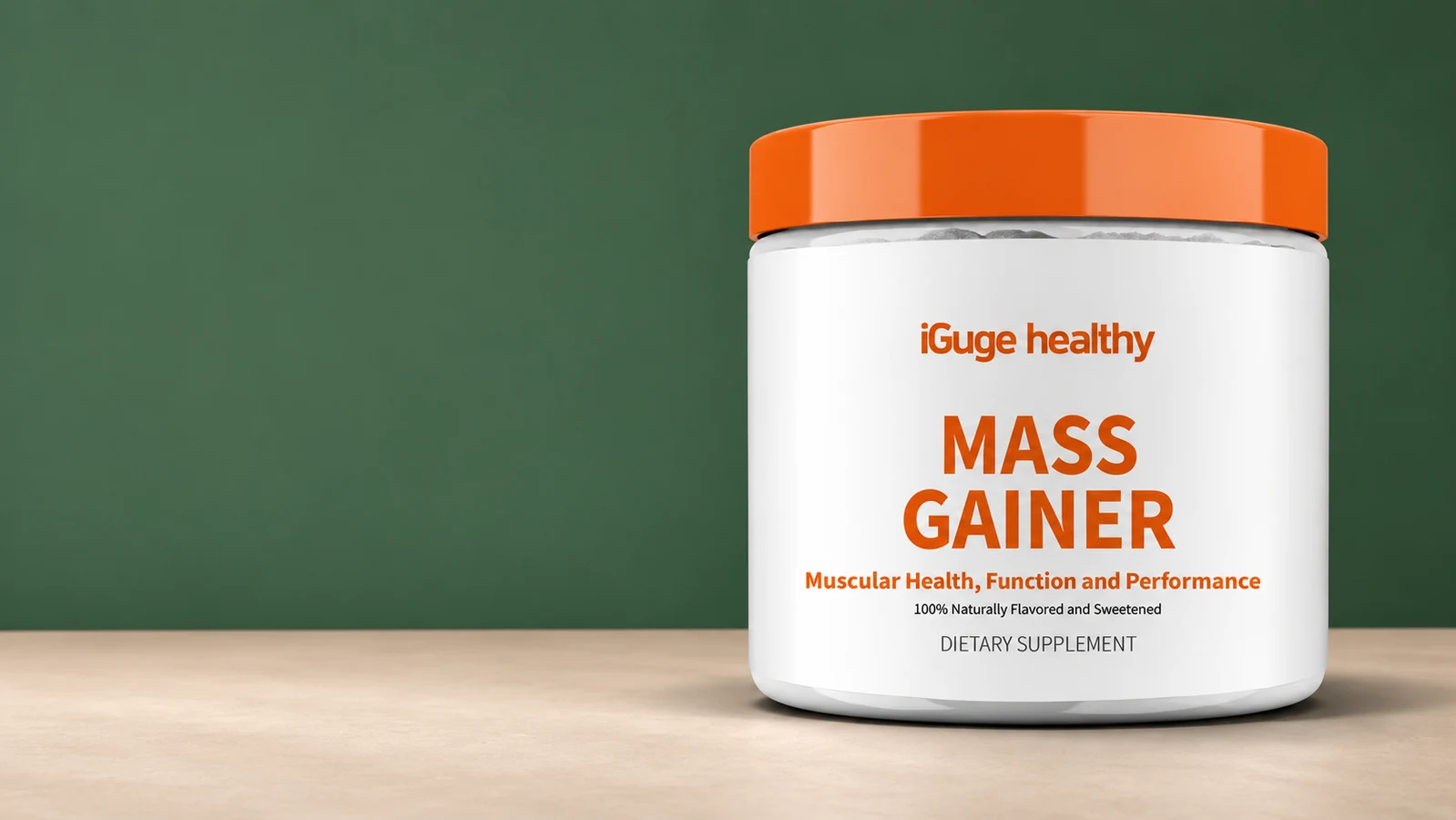
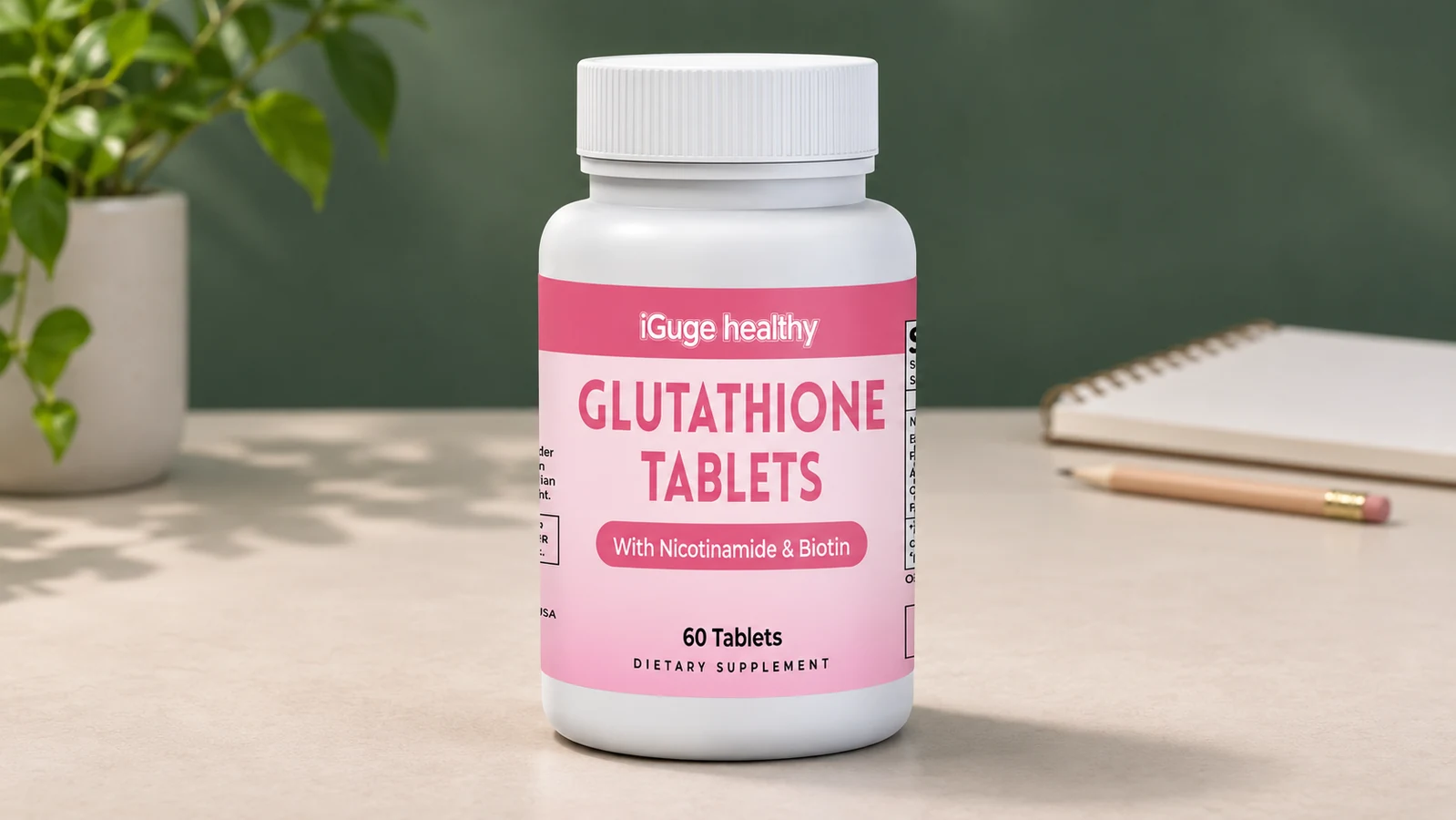
The iGuge healthy collection includes capsules, tablets, gummies, liquids and powders. Its OEM page describes discussions around ingredient preferences, serving formats, samples and packaging. These site-published descriptions indicate topics to investigate. They do not establish that every vitamin combination is feasible in every format or that a pictured pack is approved for a particular market.
Check the Manufacturing Questions Behind Each Format
Solid Formats Need More Than a Fill Weight
For a solid dosage format, ask how the intended serving is translated into the finished unit. The specification may need to address the blend, unit weight, physical characteristics and packaging count, as applicable. A capsule project and a tablet project can require different equipment, supporting ingredients and process controls. A supplier that handles one should explain the scope and evidence for the other. Do not infer a plant-based shell, a particular release characteristic or a finished dose from the appearance of a photograph.
Liquid Formats Add Dispensing and Closure Questions
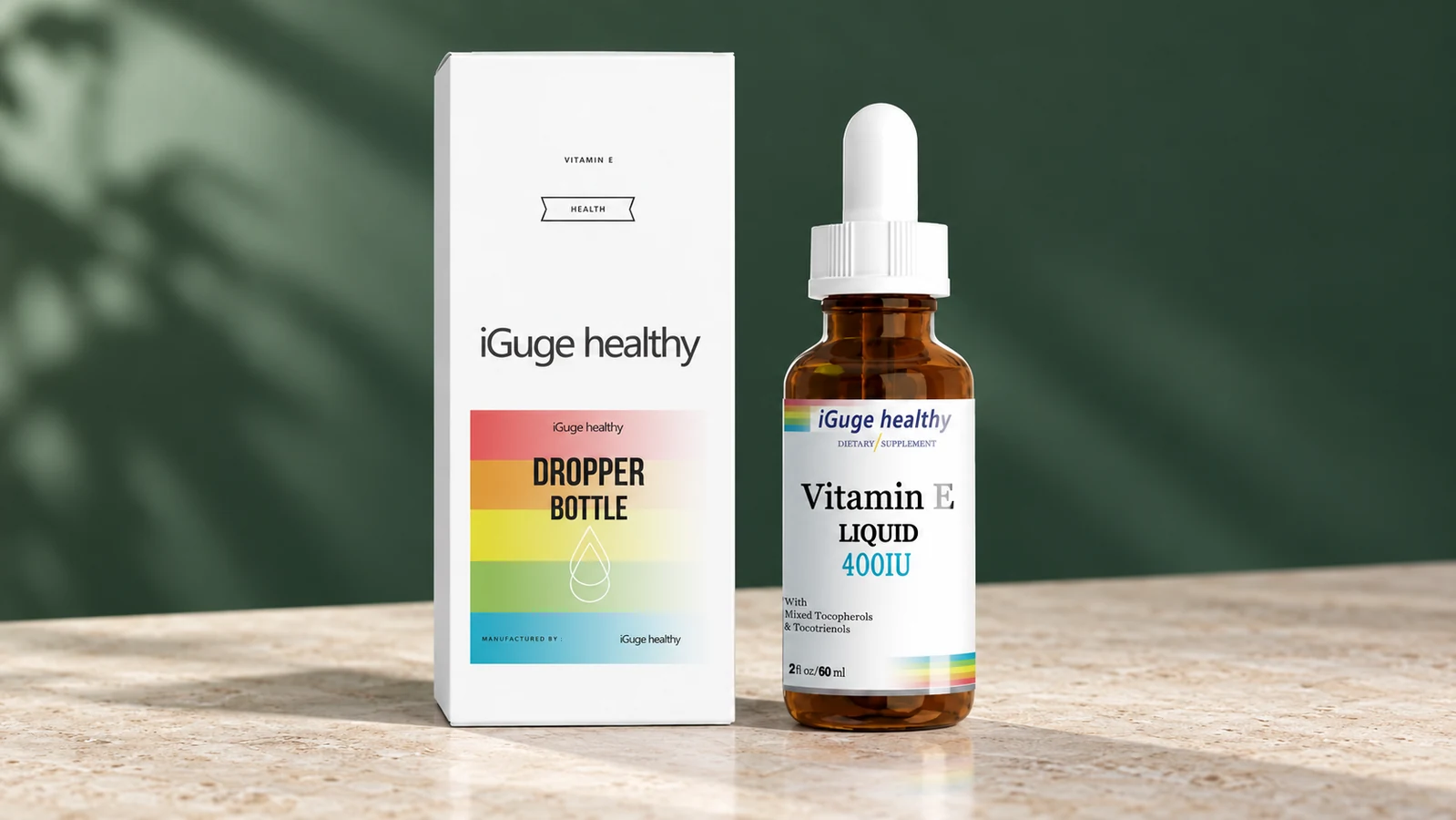
A liquid proposal should define the formulation base, intended serving volume, fill quantity and dispensing system. A dropper, measuring cup and single-use sachet create different practical checks. Ask how the supplier evaluates filling consistency and whether the chosen closure works with the proposed liquid and bottle. The product also needs clear instructions that match its actual dispensing method. Attractive glass packaging alone does not demonstrate serving accuracy, protection during transport or compatibility with the formula.
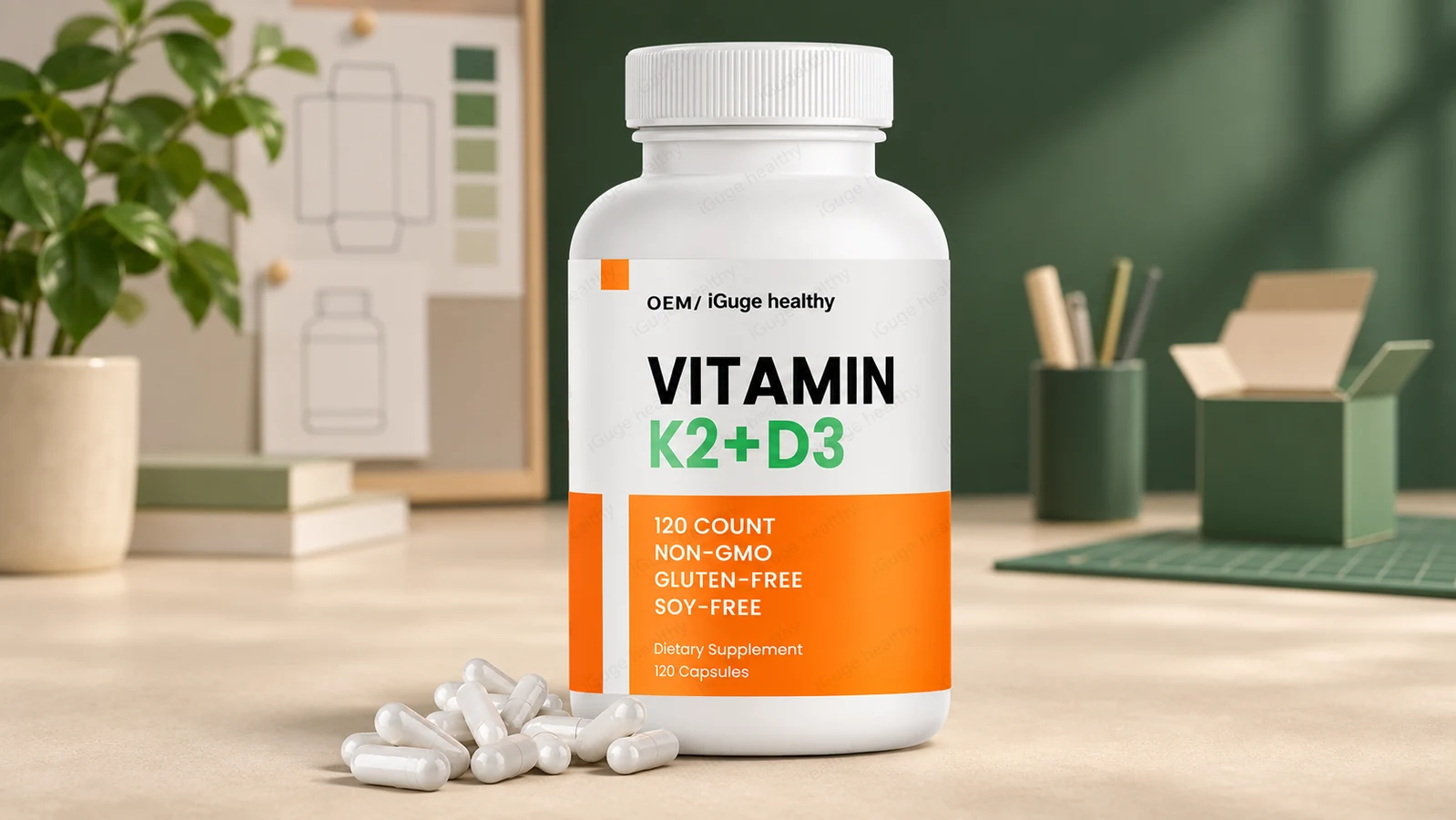
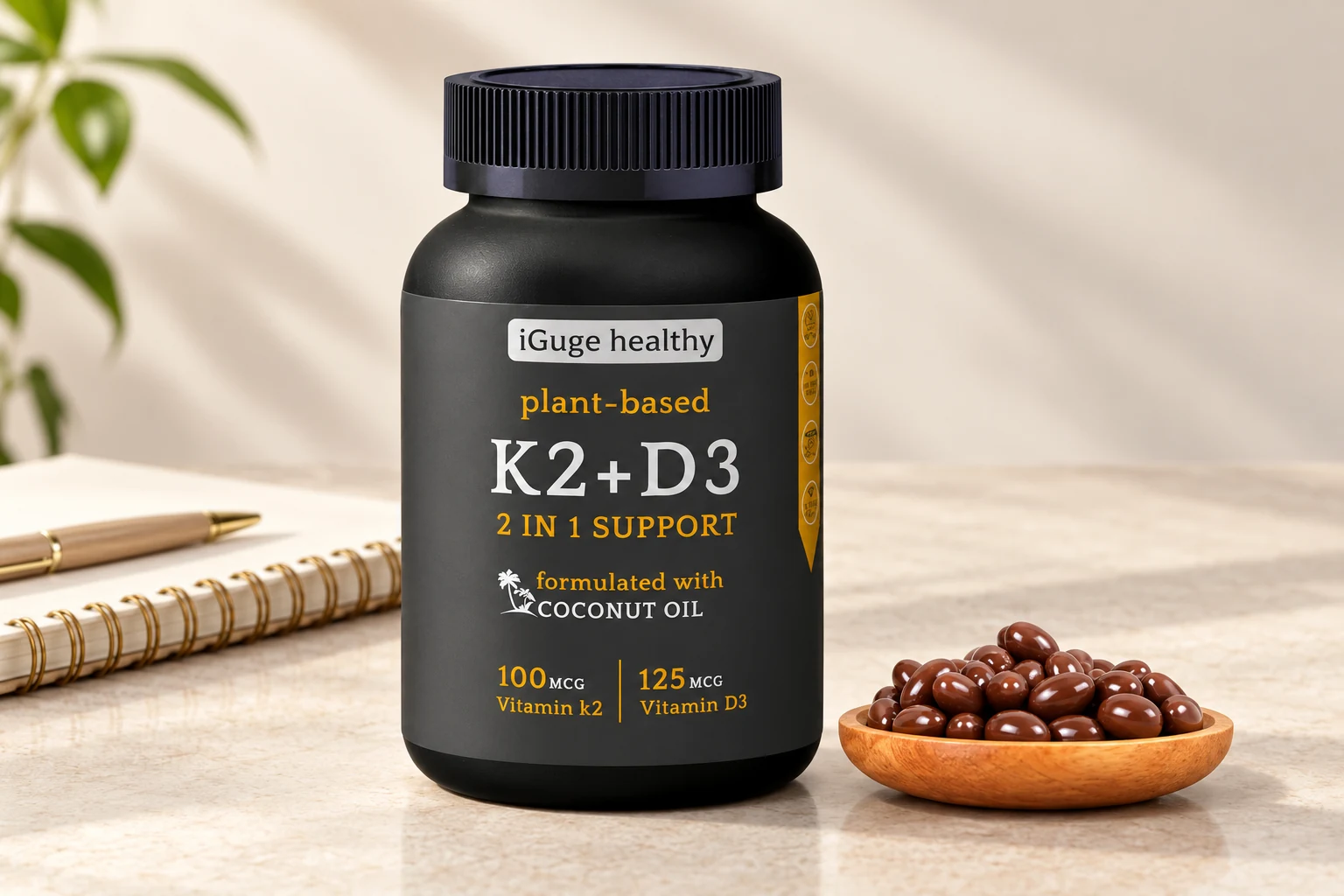
The current catalogue shows a Vitamin E liquid example and a K2 and D3 product example. These illustrate different presentation questions, not interchangeable formulations. The original package wording should be checked against the current technical specification before making any ingredient, dose or format decision for a new project.
Ask for Evidence That Matches the Proposed Formula
Identify What Each Document Actually Covers
A useful document has a clear relationship to the material or finished product under review. Look for the product identity, relevant batch or version, method reference, stated limits and the responsible issuing party. Ask whether a result concerns an incoming ingredient, a blend, a finished unit or a packed product. Those are different subjects. A report for a raw vitamin ingredient cannot automatically answer every question about a multi-ingredient finished product in its final package.
Keep Demonstrated Facts Separate From Open Questions
Prepare a short evidence register with three states: supplied and applicable, supplied but needing clarification, and not yet supplied. This prevents a general certificate from being treated as proof of a product-specific result. The FDA's dietary supplement manufacturing guidance describes specifications and the basis for determining whether they are met. That general framework helps organize enquiries; it does not establish that a particular supplier has met the requirements for a proposed product.
For medicines supplied under the applicable Australian framework, TGA guidance addresses quality documentation and stability. Product classification and the requirements for the intended supply arrangement need separate confirmation. Avoid describing every wellness product as the same regulatory category. A vitamin supplement manufacturer should be able to explain which evidence it can provide and which decisions belong to the responsible brand, sponsor or qualified adviser.

Evaluate the Route From Sample to Routine Production
Define What a Sample Approval Includes
A sample is useful when it answers a defined question. For a drink or chewable concept, sensory feedback may concern flavour, texture or preparation. For a capsule or liquid bottle, review may also cover unit size, dispensing and the pack. Identify which attributes are being accepted and which still require technical evidence. A positive taste response should not be recorded as approval of nutrient content, stability or manufacturing controls that have not been assessed.
Ask What Changes When the Batch Gets Larger
Discuss the proposed production route, relevant equipment and any steps performed at another facility. The supplier should explain how a sample specification is transferred into production instructions and how changes are reviewed. Ask who communicates a substituted component, a packaging change or an adjustment to the process. Establish a documented approval point before a change becomes part of a repeat order. A previous acceptable delivery is helpful history, but it should not replace a current agreed specification.
The site's company and development overview describes product exploration, sample discussion and specification confirmation. Use that sequence to ask concrete project questions: which sample version is current, which acceptance points remain open and what must be confirmed before production begins. A clear answer is more useful than an unsupported promise that all formats can be supplied on an identical schedule.

Include the Container in the Capability Assessment
Packaging compatibility belongs in the manufacturing brief because the formula, filling method and finished pack work together. Confirm the proposed container material, closure, seal, label and secondary packaging. Ask which components are standard and which require development or separate sourcing. For a liquid, the bottle and dispensing closure need to be considered together. For a dry product, discuss how the selected package is intended to protect and dispense the product without assuming that all jars or pouches perform alike.
Stability evidence should be assessed for its relevance to the actual formula, container and storage conditions. A shelf-life statement from another product is a question to investigate, not a value to copy. If the formula, pack or production arrangement changes, ask what review is needed before reusing earlier evidence. The enquiry should identify who evaluates that relevance and how the conclusion is documented. Neither a short sample trial nor attractive artwork establishes long-term product quality.
Artwork control also has a practical manufacturing role. Keep the approved formula, serving information, pack count and label version connected. Confirm how obsolete artwork is withdrawn and how the final proof is accepted. A change that looks small to a designer can affect a product fact. The packaging development discussion is a place to resolve the structure, artwork and filling scope before treating an offer as complete.

Use a Common Comparison Record for Each Candidate
A supplier capability review becomes more useful when every candidate receives the same brief and the same unanswered questions. Record the response and supporting evidence separately. This makes it easier to see whether a lower quoted price reflects a different scope, an unresolved packaging decision or an excluded service. The following table is a discussion framework rather than a universal approval checklist; adapt it to the intended product.
| Assessment area | Question to resolve | Useful evidence or confirmation |
|---|---|---|
| Formula definition | Which nutrient forms, amounts and supporting ingredients are proposed? | A current, versioned specification with open items clearly identified. |
| Dosage format | Does the proposed process suit the intended unit or serving? | Relevant format experience and the applicable process scope. |
| Testing scope | Which results apply to ingredients, finished units and the packed product? | Identified samples, methods, acceptance limits and review responsibility. |
| Sample approval | Which attributes are accepted, and which remain unresolved? | A dated sample version and a recorded approval boundary. |
| Package system | Are the container, closure, label and fill arrangement agreed? | Component specifications, artwork version and compatibility review. |
| Production transfer | How are process changes and outside operations controlled? | A named responsibility for approval and change communication. |
| Commercial scope | What work, components and services does the offer include? | A comparable quotation with assumptions and exclusions stated. |
Make the Shortlist Conditional on Resolved Gaps
Before selecting a vitamin supplement manufacturer, identify the next decision and its owner. That might be a revised specification, a format-specific sample, clarification of a report or a packaging trial. Ask for the information needed to make that decision and define what an acceptable response would contain. This creates a practical path from broad supplier exploration to an evidence-based project assessment without assuming a universal price, minimum order quantity or lead time.
Frequently Asked Questions
Can One Manufacturer Make Every Vitamin Format?
Do not assume so. A catalogue may show several formats, but the relevant process, production location and documentation should be confirmed for the exact project. Ask which steps are handled directly and which are performed by another party.
Does a Product Photograph Confirm the Finished Formula?
No. A photograph helps identify a displayed package. The current specification and applicable supporting documents are needed to evaluate the proposed formulation. Do not transfer a pictured dose or claim into a new product brief without review.
Is a Sample Enough to Approve a Supplier?
A sample supports defined checks such as appearance, serving experience or packaging review. It does not answer every question about routine production, test evidence or stability. Record the scope of approval and the remaining information required.
Why Compare Packaging Before Finalizing the Formula?
The container, closure and serving system may affect what needs to be evaluated. Considering them early helps reveal unresolved filling, dispensing and protection questions before the project is treated as ready for production.
What Should an Initial Manufacturing Enquiry Include?
Provide the intended nutrient profile, dosage format, serving approach, pack concept, expected quantity and required documentation. Mark uncertain details as open questions. A clear brief gives the supplier a useful basis for discussing feasibility and scope.
To assess a specific project, share the proposed formula, format and pack through the project enquiry page, then ask which specifications, samples and supporting documents can be reviewed before production approval.