The best workout recovery supplement depends on the nutritional gap, training demands and evidence for the finished product.
Define the recovery task before comparing products
Recovery is not a single ingredient category. After exercise, an athlete may need food, fluid, rest and an appropriate training schedule, with different priorities depending on the session and the time before the next one. A product that conveniently supplies protein addresses a different question from a drink intended to contribute fluid and carbohydrate. Combining all of these under one recovery label can obscure what a product actually provides.
Begin with the ordinary nutrition pattern
The NIH Office of Dietary Supplements describes adequate diet and hydration as foundations for exercise performance. A supplement should therefore be evaluated in the context of the user's existing intake. If the practical problem is a missed meal after travel, the useful product format may differ from the one chosen for a person who already eats an adequate meal shortly after training. Convenience does not make those nutritional situations identical.
For brands and retail buyers, recovery nutrition criteria should begin with the use occasion: the exercise type, likely dietary gap, preferred serving format and consumer constraints. These criteria can guide category selection without promising a universal benefit. Medical symptoms, persistent fatigue or suspected deficiencies require appropriate professional assessment rather than a marketing-led product recommendation.
Specify what the product is expected to do
A clear product concept distinguishes supplying protein, contributing carbohydrate, providing fluid or supporting a longer-term training strategy. These are not interchangeable outcomes. Evidence about one ingredient or one exercise context should not be stretched to imply that a complete blend accelerates every aspect of recovery. The relevant question is whether the product's composition, use pattern and evidence align with its proposed role.
Compare protein, creatine and mixed products by function
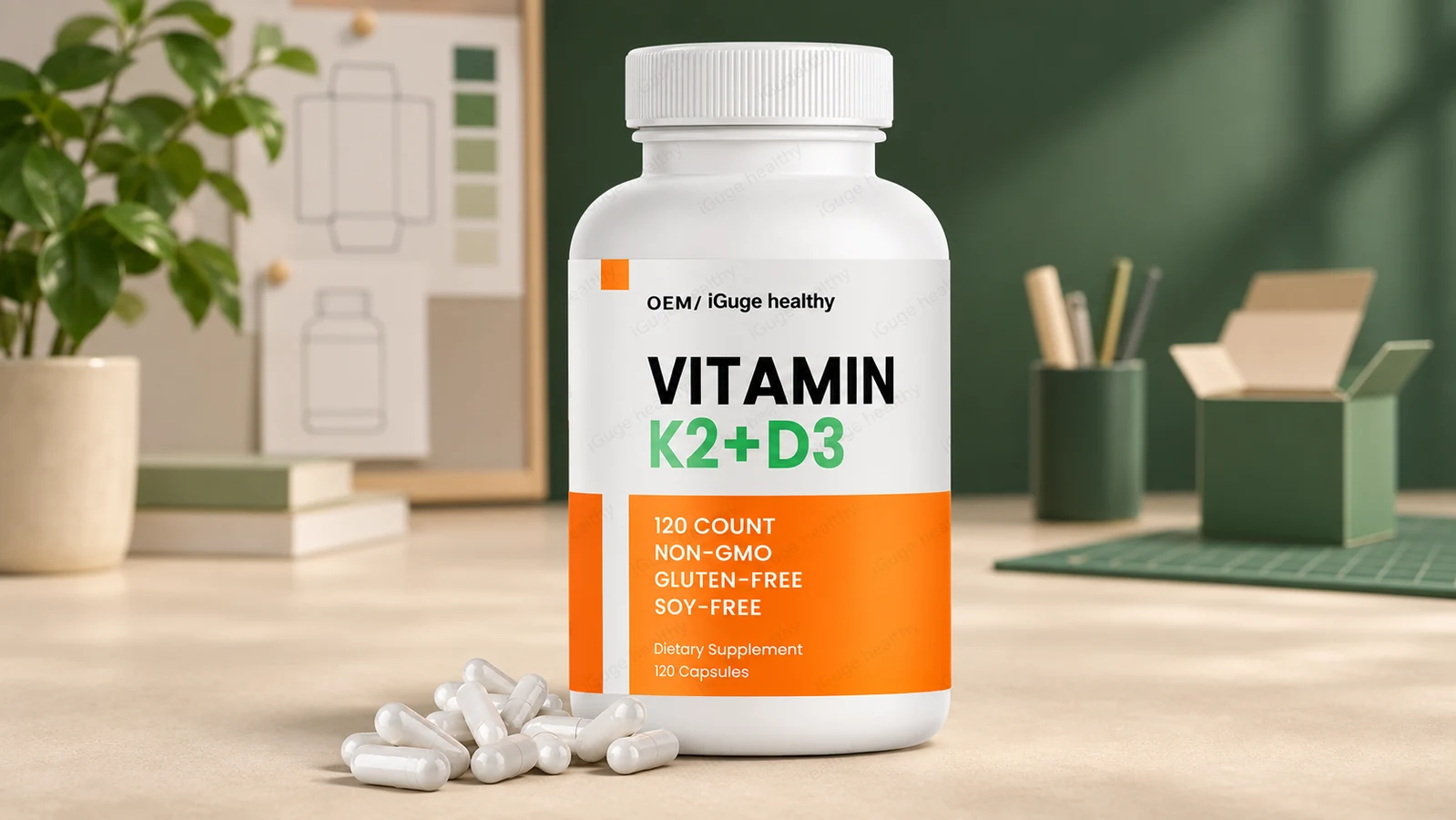
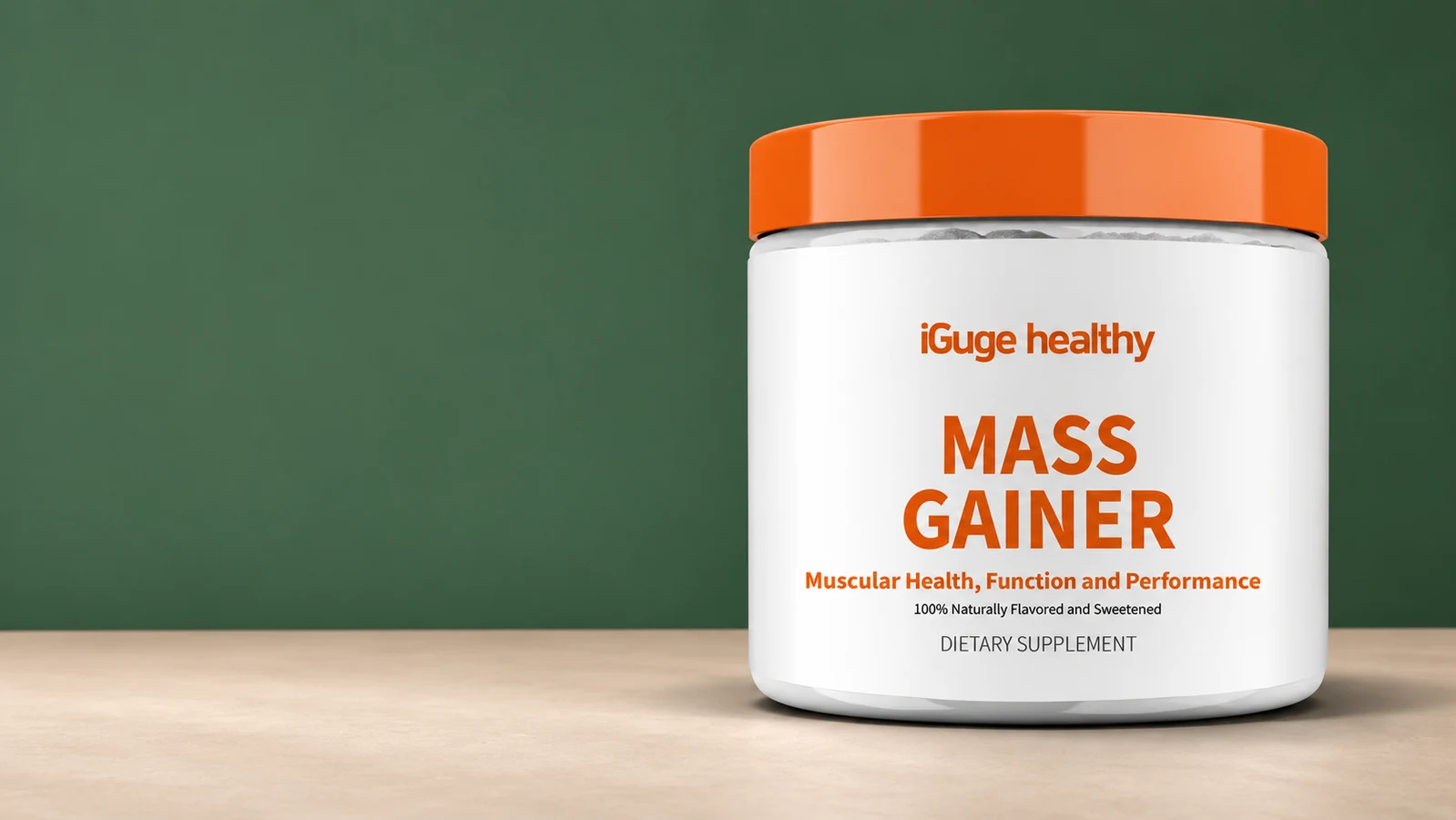
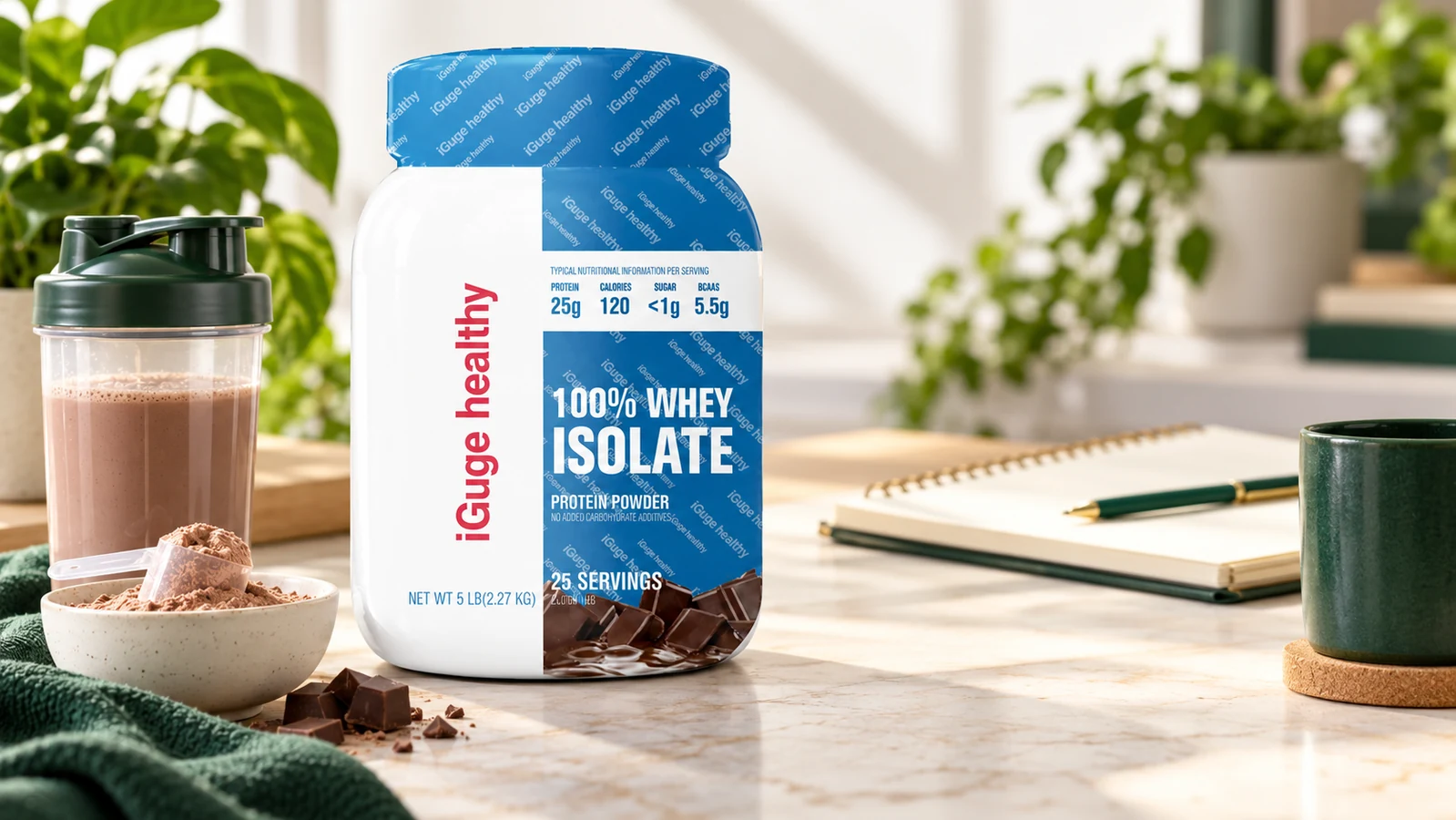
The iGuge Healthy product catalogue contains different supplement presentations, including protein and creatine examples. Their appearance can help illustrate category differences. It does not establish a ranking or prove that a pictured serving is appropriate for a particular person. Buyers need the current finished specification rather than relying solely on front-label imagery.
Protein products address a protein-supply question
A protein powder can provide a convenient source of protein when that format fits the diet and use occasion. Selection should consider the ingredient source, complete composition, allergen information, serving basis and suitability for the intended customer. A whey presentation will not meet every dietary preference, and a plant-based alternative needs its own evaluation. The product name alone does not describe the entire nutritional profile.
For a brand developing a post-exercise product, recovery nutrition criteria should include how the powder is prepared and how it fits alongside meals. A formulation mixed with milk delivers a different overall intake from the same powder mixed with water. The label and educational material should keep the powder's declared contribution distinct from the contribution of the mixing liquid.
Creatine is not simply another name for a recovery shake
Creatine research relates to particular exercise and training outcomes, especially in certain high-intensity activities. It should not be described as a replacement for dietary protein, hydration or sleep. A creatine product and a protein product can therefore belong in different parts of a product range even when both are marketed to active customers. Their shared audience does not make their functions identical.
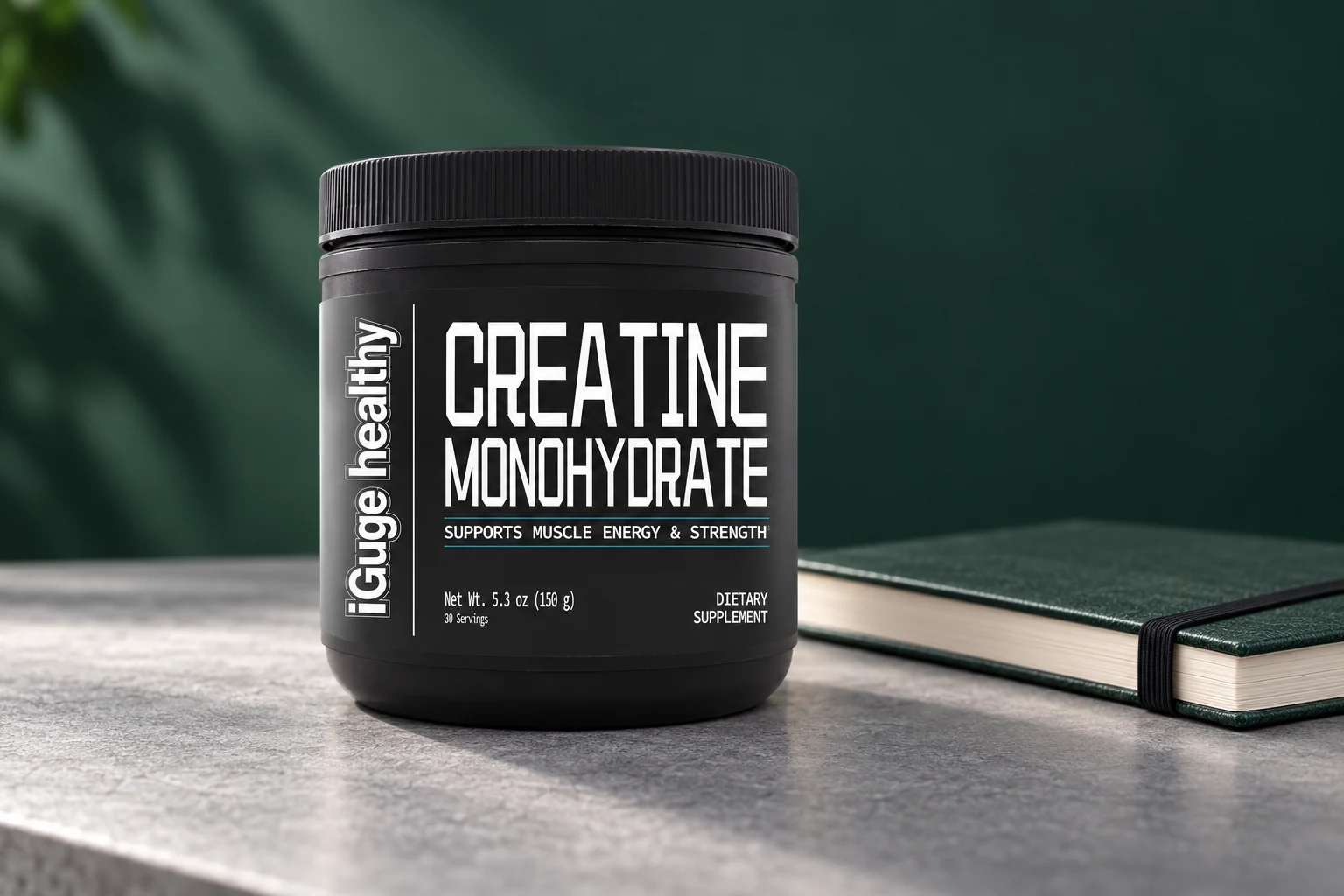
Mixed formulas add another layer of evaluation. Each component needs a reason for inclusion, and the finished serving should be assessed as a whole. A long ingredient list is not evidence that every ingredient is present in a relevant amount or that the combination has been studied. Finished product evidence becomes particularly valuable when the proposed claim goes beyond the function of a single well-characterised ingredient.
| Product approach | Main selection question | Information that remains necessary |
|---|---|---|
| Protein-focused powder | Does it address a practical protein intake gap? | Source, composition, allergens, serving and preparation instructions. |
| Carbohydrate-containing product | Does the use occasion justify this contribution? | Full nutritional profile and the role within the overall eating pattern. |
| Fluid or electrolyte format | Does it fit the activity and hydration context? | Composition, intended use and limitations of the formulation. |
| Creatine product | Does the training objective match the relevant evidence? | Ingredient identity, finished specification and accurate positioning. |
| Multi-ingredient blend | Is each component justified in the finished serving? | Amounts, interactions in formulation and support for the complete claim. |
Separate ingredient research from finished-product evidence
Check the match between evidence and the claim
A study of an ingredient does not automatically validate every product containing that ingredient. The form, amount, population, exercise protocol and measured outcome may differ. A useful evidence review states what was studied and what remains uncertain. It should distinguish a nutritional contribution from a claim about recovery speed, soreness, injury prevention or sporting performance, each of which would require appropriate support.
The best workout recovery supplement cannot be established by comparing label adjectives. A credible comparison explains the basis of comparison and the limits of the available evidence. If the evidence supports only a narrow function, the product description should retain that boundary. This approach is more useful for buyers than a numerical score built from unverified claims or a list that automatically places the host brand first.

Ask which records belong to the actual product
Finished product evidence may include a controlled specification, relevant analytical results, batch identification and documented release criteria. The required set depends on the product and applicable market. A generic laboratory photograph or a certificate for an unrelated ingredient cannot substitute for the records needed to evaluate the supplied goods. Buyers should be able to connect a document to the product and, where relevant, the batch it describes.
Quality evaluation should also consider what a test does not measure. A result for one characteristic does not prove all aspects of safety, identity or performance. The buyer should understand the sample, method, scope and acceptance basis before treating a report as decisive. This avoids both overconfidence in a single document and the collection of paperwork that has little relevance to the intended product.
Evaluate the format under realistic use conditions
Consumer experience affects whether a product is used as intended. Powder dispersibility, taste, pack opening, scoop handling and preparation instructions can be assessed during development. These observations are useful, but they should be recorded separately from nutritional or performance claims. A smooth texture does not establish superior recovery, just as a visually impressive container does not establish ingredient quality.
Make sample comparisons reproducible
When comparing samples, the team should keep the mixing liquid, preparation method and evaluation conditions consistent. Otherwise, differences in preparation can be mistaken for differences between products. The review should state whether the sample represents the proposed commercial formula and packaging. Temporary ingredients or pilot packaging may be acceptable during development, but those limitations need to remain visible in the decision record.
Recovery nutrition criteria can also address practical channel needs. A specialist nutrition retailer may need clear staff guidance on category differences. An online brand may need preparation instructions that stand alone without a salesperson. A functional beverage concept may introduce different formulation and packaging questions from a dry powder. These commercial contexts influence presentation while leaving evidence requirements intact.

Keep market and sporting requirements explicit
A brand planning sales in the United States and Australia should not assume that one label and one product classification automatically work in both markets. The responsible business needs to check the applicable requirements for the specific composition, claims and presentation. This review should happen before final packaging is committed, because changing a claim or serving instruction late in the project can affect several documents and printed components.
Products intended for athletes who are subject to anti-doping rules require an additional risk discussion. Sport Integrity Australia explains that supplements can present risks and that testing does not eliminate every possibility of a prohibited substance. A batch-testing programme should therefore be described accurately, with its scope and limitations. It should not be translated into a promise that a product is risk-free or endorsed for every athlete.
For a commercial buyer, finished product evidence should remain connected to the exact version being supplied. A formula change, ingredient-source change or packaging change may require a fresh assessment. The review should identify who approves changes and how the brand is notified. Reordering the same product name does not, by itself, confirm that every relevant condition remains unchanged.

Build a selection decision that can be explained
The best workout recovery supplement for a product range is therefore the option that fits a defined customer need and can be represented accurately. Some concepts may be better served by a simple product and clear instructions than by a complicated blend. Others may need a different format entirely. The decision should remain open until the nutritional role and finished specification are understood.
Frequently Asked Questions
Is one recovery supplement best for everyone?
No universal choice follows from the category name. Diet, training demands, preferences and individual circumstances differ. The selection should identify the intended nutritional role and avoid assuming that a supplement replaces food, fluid, rest or professional advice.
Are protein and creatine interchangeable?
No. They address different nutritional and exercise-related questions. A product range can explain these differences without presenting either ingredient as a complete recovery solution or making unsupported claims about a combined formula.
Does a longer ingredient list mean better recovery?
Not necessarily. Each ingredient needs a justified role, and the complete serving needs appropriate evaluation. Ingredient count alone says little about the relevance of the formulation or the quality of the supporting evidence.
Does batch testing remove all anti-doping risk?
No. Testing can be one part of risk management, but its scope and limitations matter. Athletes should use the guidance applicable to their sport and circumstances rather than relying on an unqualified risk-free claim.
What should a brand establish before comparing quotations?
The intended use, product composition, serving basis, market, pack configuration and verification responsibilities should be clear. This allows price and development scope to be compared without hiding important differences between proposals.
Brands reviewing a new recovery concept can start with the site's available supplement formats and discuss the intended use occasion, target market and evidence needed for the proposed finished product.