Gym supplement manufacturers should distinguish approval of a product specification from permission to release a particular batch. A convincing sample shows what can be made; a controlled release process explains why the next production lot may be supplied against that agreement. Evaluating those two decisions separately makes factory discussions more useful than comparing catalogue breadth alone.
Start With The Product That Will Actually Be Manufactured
Describe The Finished Item Before Assessing Factory Breadth
A manufacturer may display protein powders, amino-acid blends, electrolyte formats and other sports-nutrition products. That range establishes a starting point for discussion, not equivalent competence in every formulation and package. The assessment should identify one finished item: its ingredient composition, serving basis, physical format, flavor, container and intended label. A change from powder in a jar to powder in individual sticks changes several manufacturing and packing questions even when the ingredient name stays similar.
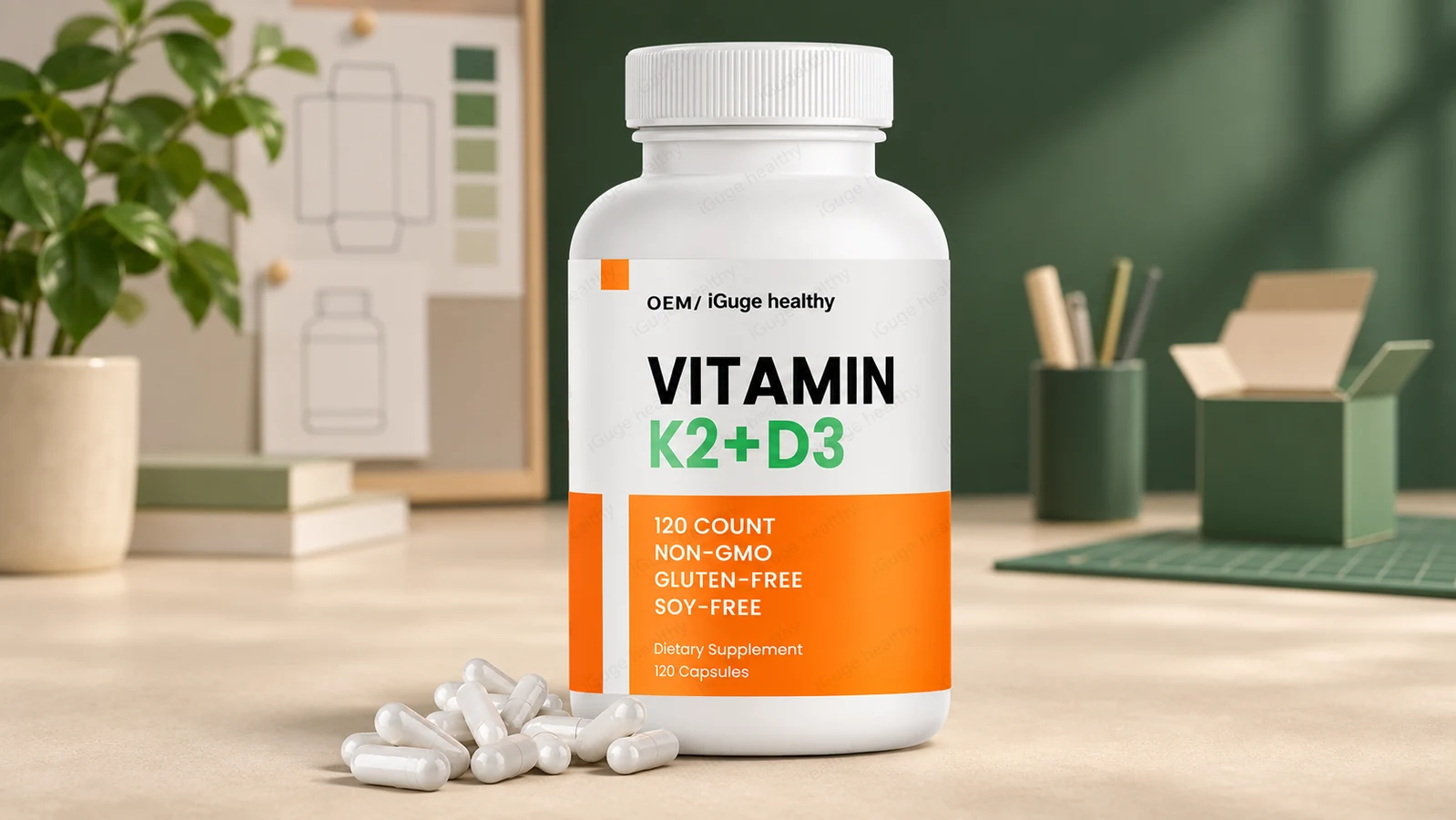
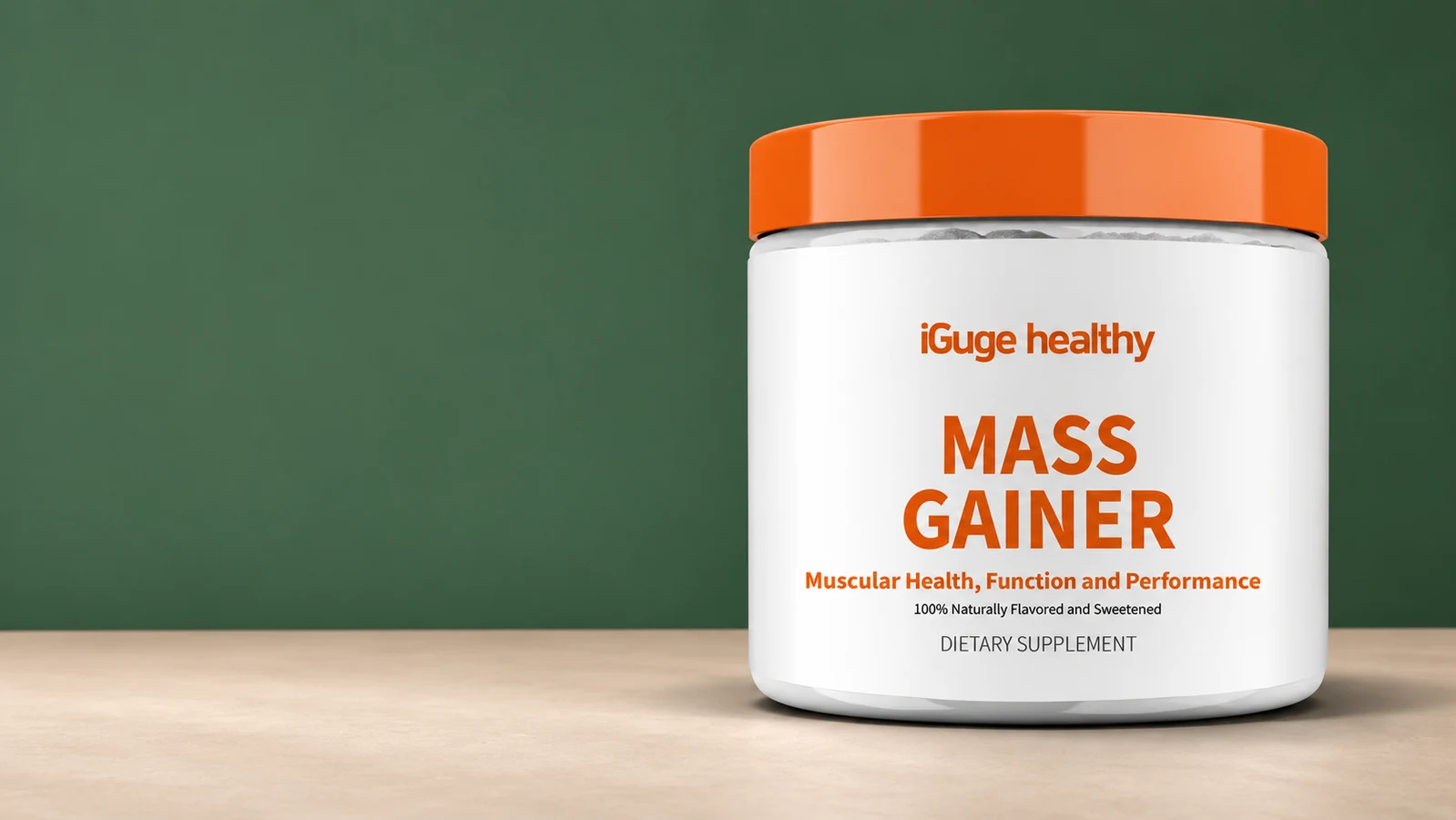
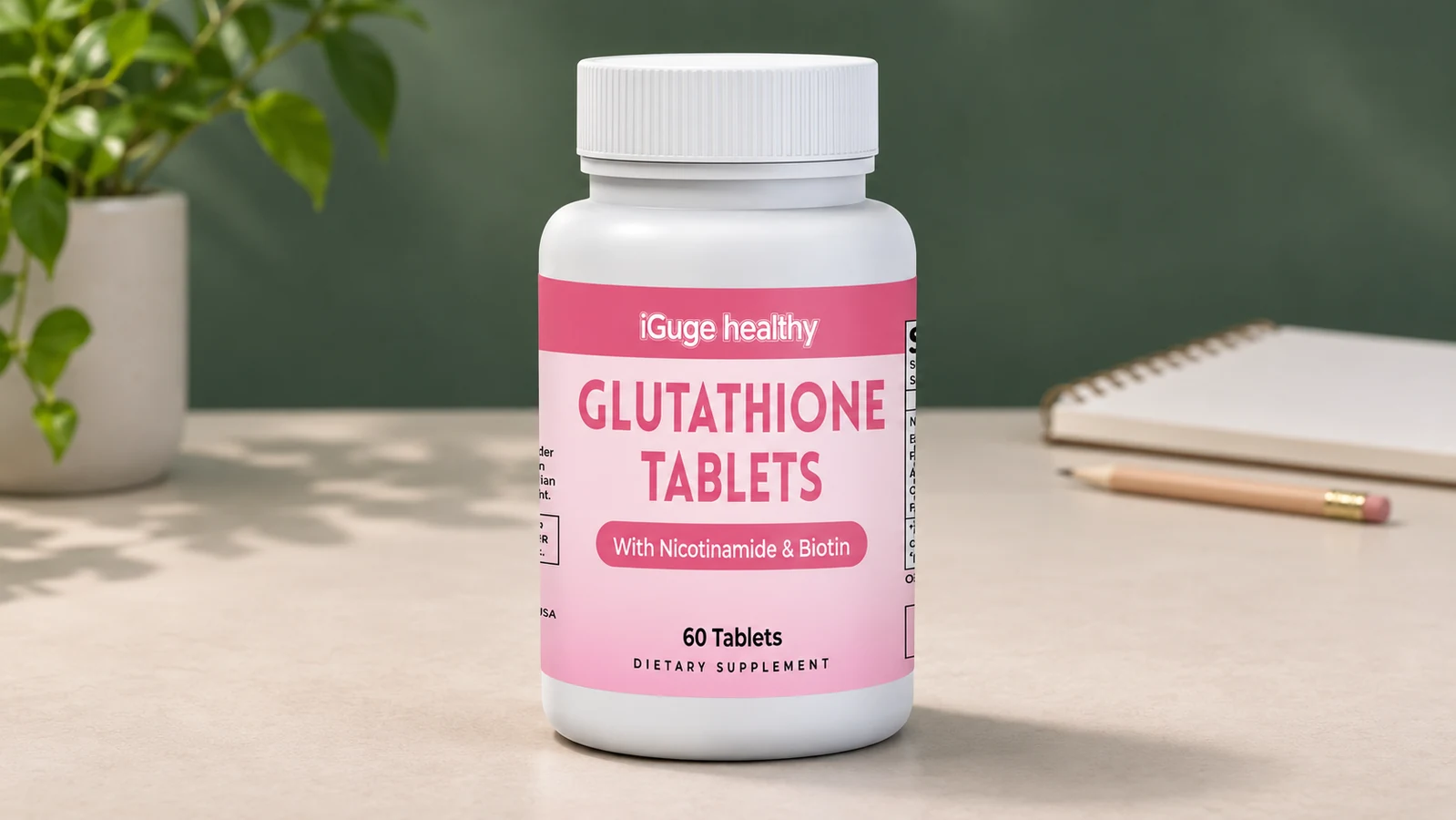
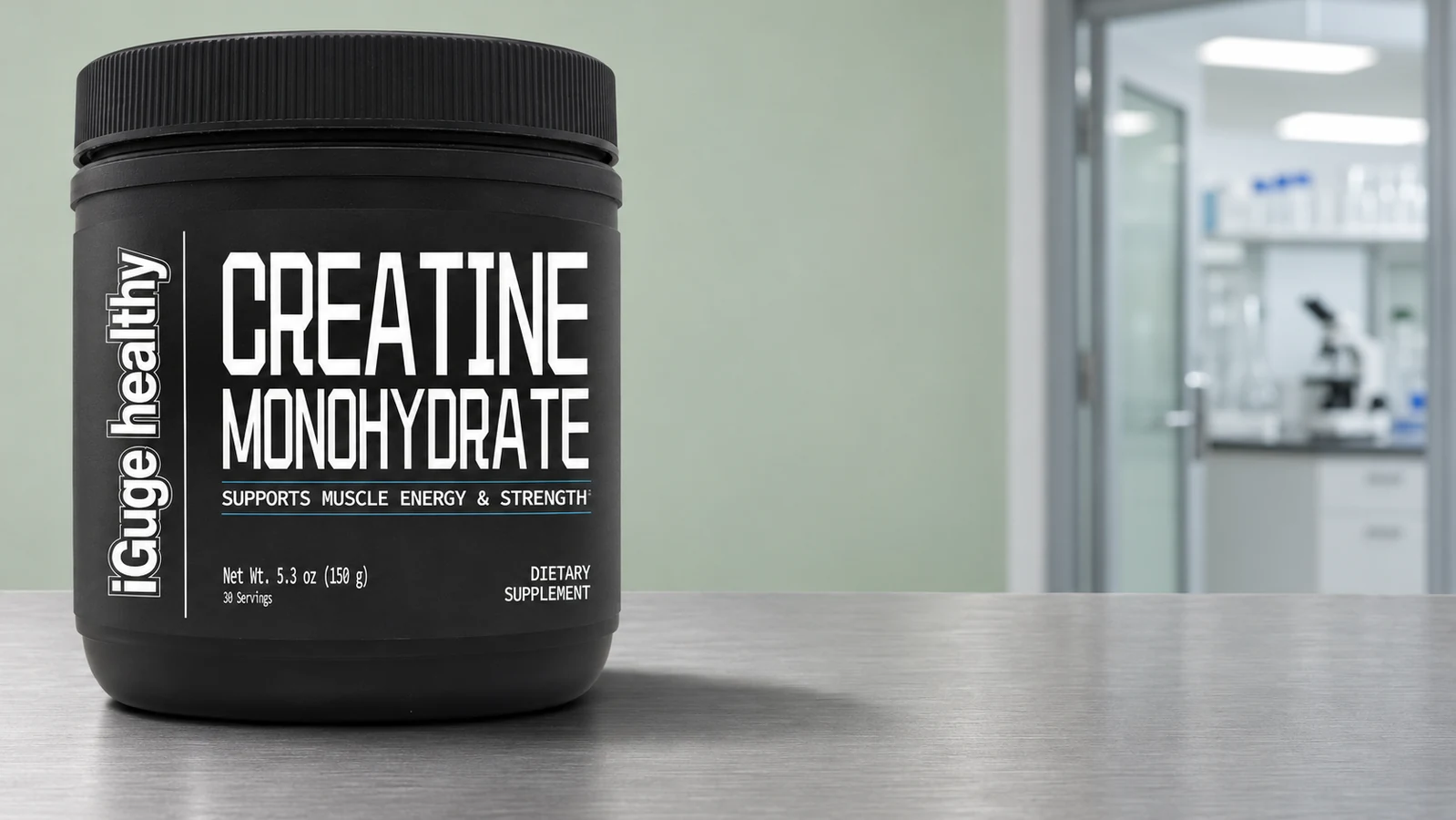
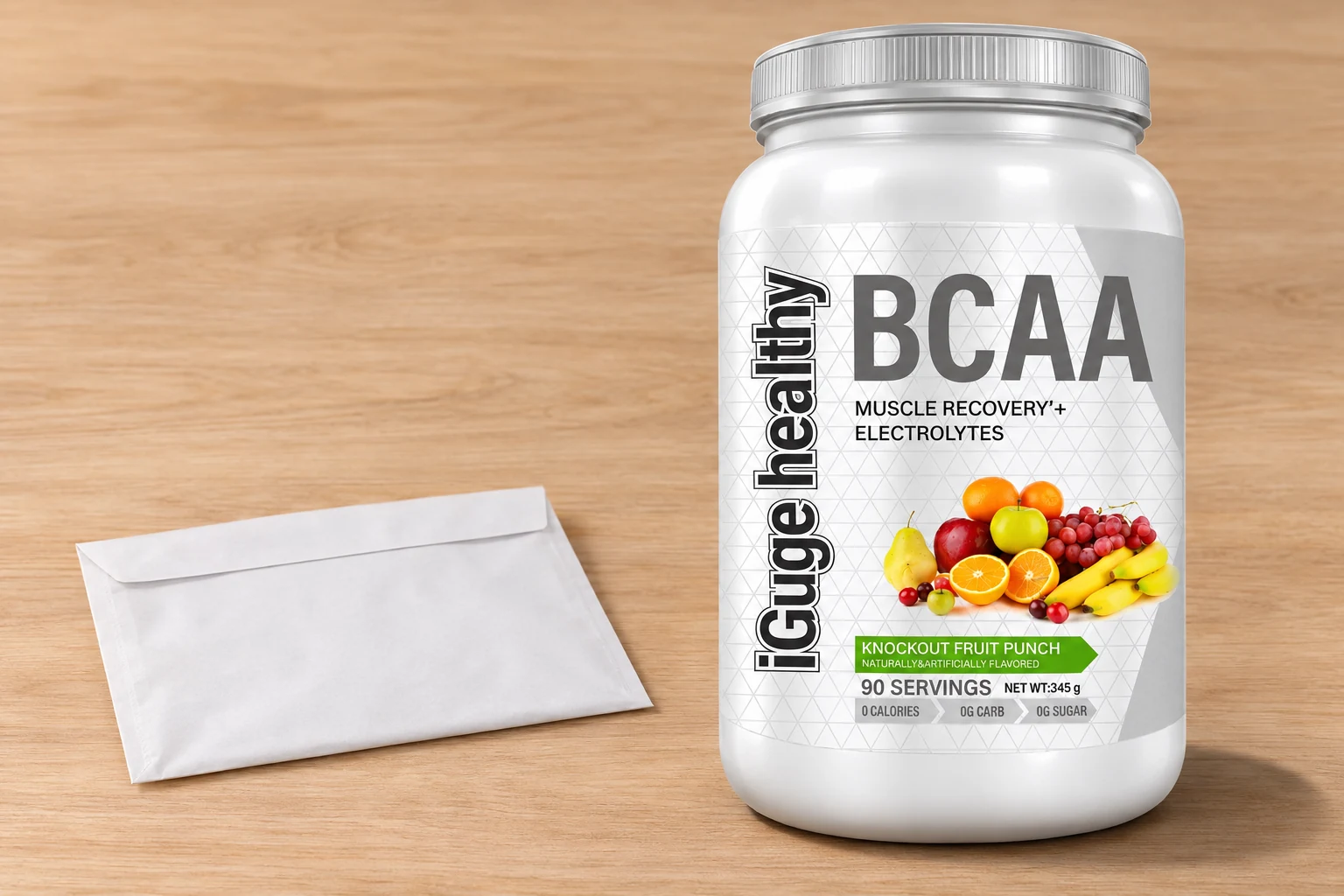
The current iGuge healthy product catalogue provides examples across these families. Product pages and images are same-site representations; they do not independently establish that a specific formula has passed a particular test. A supplier comparison should therefore distinguish an observed catalogue item from a proposed custom version and from a production lot that already has documented release evidence. Those categories should remain separate in notes, quotations and sample records.
Keep Formula Identity Separate From A Marketing Name
Names such as recovery blend or pre-workout describe positioning more broadly than they describe composition. Two products with similar names may contain different ingredient forms or amounts. A meaningful product specification identifies the agreed formula revision and the information needed to recognize it. If a blend has confidential elements, the parties still need an agreed way to define the finished article and its acceptance criteria without substituting an attractive front label for technical agreement.
Ask Who Can Approve A Formula And Who Can Release A Lot
A Development Sample Does Not Answer Every Production Question
Sample evaluation can reveal taste, appearance, dispersibility and package handling under stated conditions. It cannot by itself demonstrate uniformity across a full production lot, resistance to every shipping condition or the validity of all performance claims. Notes should identify what was examined, by whom and with which sample code. When an observation depends on mixing method or storage conditions, record those conditions so a later disagreement does not become a contest between incompatible memories.
Gym supplement manufacturers should explain what changes between a development sample and routine manufacture. Relevant questions include how ingredients are weighed, how the formula version reaches production, how mixing or filling instructions are controlled and how unexpected observations are escalated. The purpose is to establish an understandable decision path. A photograph of stainless equipment or a list of machines cannot show whether the documented instructions actually apply to the product under consideration.
Look For A Defined Quality Decision
FDA dietary-supplement manufacturing guidance distinguishes specifications, production controls and quality-control review. This is general regulatory context, not a declaration that any particular factory complies. During supplier evaluation, the practical question is who reviews the available evidence and authorizes batch release. A sales representative accepting a sample preference and a quality function deciding whether a finished lot meets its requirements are different responsibilities, even when a small organization coordinates them closely.

Trace Each Claim To The Kind Of Evidence It Needs
Ingredient Research And Finished-Product Evidence Serve Different Purposes
Published research about an ingredient can inform a development discussion, but it does not automatically validate the finished mixture. The NIH Office of Dietary Supplements notes that evidence for individual exercise-related ingredients cannot simply predict the effects of every combination. An assessment of a manufacturer should ask whether a proposed statement concerns ingredient identity, declared composition, a manufacturing attribute or a physiological outcome. Each statement needs evidence appropriate to that question.
A front label showing a benefit phrase is evidence of the package presentation, not independent confirmation of the benefit. Likewise, a supplier's analytical result may answer a compositional question without establishing that the product improves performance. Keeping these boundaries clear helps prevent technical correspondence from accidentally approving marketing claims. It also allows a supplier to state what is known, what is proposed and what requires specialist review before artwork is finalized.
Check The Scope Of Documents Before Collecting More Of Them
A certificate or report becomes useful when its subject, issuer, date and scope can be matched to the decision. A facility document does not necessarily cover every product, and a product report does not necessarily cover the lot being offered. Batch release discussions should identify which records concern incoming materials, in-process checks and finished goods. More attachments do not compensate for an inability to connect a document to the actual formula and manufacturing site.
| Decision | Evidence To Identify | Limit To Recognize |
|---|---|---|
| Formula approval | Agreed composition and revision | A name or catalogue photograph is insufficient |
| Sample acceptance | Sample code, conditions and recorded observations | One sample does not represent every future lot |
| Manufacturing review | Applicable instructions and responsibility for exceptions | Equipment images do not prove execution |
| Lot disposition | Required results and authorized release decision | A generic report may concern another lot |
| Artwork approval | Controlled text, package and label version | Attractive graphics do not substantiate claims |
Control The Package As Part Of The Manufacturing Agreement
A Correct Blend Can Still Reach The Wrong Label
Product identity continues through filling, closing, labeling and packing. A correct formula in an outdated label or an unintended container creates a different commercial problem from an incorrect blend, but both can undermine acceptance. The artwork version should be linked to the product specification, language requirements and package format. An approval message should make clear whether it approves visual appearance, technical content, or both, and who is responsible for the final checks.
When reviewing OEM customization options, separate the available service from the agreed project scope. Design support, formula development, container sourcing and label review can involve different responsibilities. No standard package should be assumed to include every activity. The same principle applies to supplement claims, ingredient declarations and warning language: responsibility should be explicit before printed stock is ordered or a production slot is committed.

Use A Change Process That Can Reach Every Affected Record
An ingredient-source change may affect documentation even when the ingredient name appears unchanged. A new scoop, seal or label stock can affect packing instructions without changing the blend. Gym supplement manufacturers should describe how a proposed change is reviewed and communicated before implementation. The request should identify whether another sample, revised artwork or updated acceptance criteria are needed, rather than treating every substitution as an invisible purchasing adjustment.
Evaluate Repeat Supply Through Exceptions, Not Only A Smooth First Order
A capable explanation of normal production should be accompanied by a credible explanation of what happens when a result is unexpected. Ask how a lot is held, how an investigation is assigned and how the commercial contact receives an accurate update. The objective is not a promise of zero deviations. It is evidence that a concern can be recognized, contained and resolved without quietly replacing the agreed acceptance requirement with a more convenient one.
The company background page can help identify the organization presenting the offer, while project correspondence should identify the actual manufacturing and packing responsibilities. If another site or contractor performs an activity, the supplier should explain that boundary. Capacity, minimum order quantities and lead times should be confirmed for the defined project; they should not be inferred from an unrelated catalogue item or a general promotional panel.
Sample evaluation also benefits from a realistic repeat-order question: what must remain the same, and what variation has an agreed limit? Color, flavor, fill presentation and package appearance may need different checks. A reference sample alone is ambiguous if neither party knows which differences matter. A documented product specification makes the comparison more useful by naming the observation, the method and the decision to be made when a difference is found.

Make The Shortlist Reflect The Evidence Still Missing
A comparison of gym supplement manufacturers can be organized around four questions: whether the proposed item is clearly defined, whether manufacturing responsibilities are understood, whether release evidence can be matched to that item and whether changes have a controlled path. A supplier with fewer displayed formats may provide a clearer answer for a specific project than a supplier with a larger catalogue. Neither catalogue size nor communication speed should be treated as a substitute for the information needed to make an acceptance decision.
Frequently Asked Questions
Does An Approved Sample Authorize Every Later Batch?
No. A sample can define an accepted presentation under recorded conditions, while later lots still need the agreed manufacturing controls and release decision. The link between the reference sample, formula revision and acceptance requirements should be clear.
Is A Certificate Of Analysis Enough To Qualify A Manufacturer?
A report answers only the questions within its scope. Confirm the identified material or product, the applicable lot, the methods and the decision it supports. Supplier evaluation also considers responsibilities, controlled instructions and the response to exceptions.
Can Catalogue Claims Be Used Directly On New Artwork?
They should not be adopted automatically. Statements need review for the actual formula, intended use and relevant market requirements. A catalogue establishes what the supplier presents; it does not transfer responsibility for substantiating a new label.
What Should Happen When A Package Component Changes?
The change should be assessed against the approved package and its function, then communicated through the agreed version process. Whether new samples or tests are needed depends on the nature of the component and the consequence of the change.
Which Question Is Most Useful Before Comparing Quotations?
Ask whether each quotation refers to the same defined finished item and includes the same responsibilities. Formula, pack, documentation and release expectations should be aligned before differences in price or timing are interpreted.
For a defined project, the supplier discussion can begin with the proposed product specification and a focused request describing how formula approval, artwork control and batch release will be documented.