A custom pre workout manufacturer should review each formula or packaging change against the approved product specification. A familiar flavour name or unchanged jar size does not establish equivalence. The practical task is to identify what changed, decide which evidence remains valid, and approve only the affected parts of the product with a clear record. Ingredient identity, serving instructions, mixing behaviour and pack protection form one connected development brief.
Start With A Defined Product, Rather Than A List Of Ingredients
A development brief needs an agreed baseline before sample comparisons mean anything. Record the intended format, ingredient identities, amount per serving, serving mass, flavour direction and packaging concept. Separate essential requirements from preferences that can change during development. This makes an attractive sample a proposal that can be evaluated, rather than an undocumented new standard.
Translate The Concept Into Measurable Acceptance Points
Words such as smooth, clean or strong need a shared evaluation method. Describe the water volume, preparation sequence, observation time and acceptable sediment or foam where relevant. A flavour panel can compare coded samples under the same conditions. Its preferences should remain separate from analytical results, because a pleasant taste does not establish ingredient identity or the declared amount.
The sports nutrition catalogue shows several product formats and ingredient combinations. These are useful starting points for discussion, but catalogue wording is not a complete commercial specification. A project still needs its own approved composition, pack configuration and acceptance criteria. Requirements should also identify which ingredients or presentation details must remain unchanged.
Keep The Approved Baseline Accessible
Assign a version to the composition, sample reference, artwork and test plan. Record who can approve a change and what evidence that approval covers. Formula change control becomes difficult when the development team works from one spreadsheet while the packaging supplier uses an earlier PDF. A short version register can prevent those documents from quietly describing different products.
Distinguish An Ingredient Replacement From A Small Adjustment
A replacement can affect far more than the ingredient line. Different grades may vary in particle characteristics, moisture response, flavour contribution or processing behaviour even when a broad ingredient name appears similar. The assessment should follow the actual material identity and intended use. A supplier statement alone cannot determine whether the previous development evidence transfers to the new material.
Review Identity And Supporting Documentation Together
Compare the proposed material with the approved specification, supporting analytical information and any relevant limits. Identify which checks concern identity and which concern composition, contaminants or physical behaviour. Evidence for one purpose should not be presented as proof of another. When information is missing, hold that part of the decision open rather than substituting a marketing description.
The site's pre-workout creatine and caffeine powder page illustrates why names require careful reading: the product title and listed ingredient information are only the beginning of a technical discussion. The exact caffeine source, content and finished serving must be confirmed for the proposed project. This article does not recommend a dose or establish a formulation's suitability for an individual.
Map The Effects On The Rest Of The Formula
Changing a flavour carrier, acid or sweetener can alter total serving mass, perceived intensity and the room available for other ingredients. A revised source can also introduce a different allergen or handling question. The custom pre workout manufacturer should show the complete before-and-after composition, including ingredients used at relatively small amounts, so that nothing changes invisibly through a premix.
Stimulant-containing concepts require particular care with ingredient identity, finished-product instructions and the intended market's requirements. Pure or highly concentrated caffeine is not interchangeable with a finished, professionally reviewed multi-ingredient product. Safety and regulatory decisions need appropriately qualified review; they cannot be inferred from the appearance of a catalogue package.
Test Physical Behaviour Under Conditions That Resemble Use
Physical observations matter because a powder must be manufactured, filled, transported and prepared consistently. They should be tied to a defined method, not treated as universal pass or fail impressions. A change in settling or flow can point to a development question even when a single prepared drink still looks acceptable.
Separate Blend Consistency From Dissolution
Blend uniformity concerns how consistently ingredients are distributed through the mixture; dissolution concerns what happens after the powder meets liquid. One does not prove the other. A clear drink may still require suitable manufacturing controls, while an intentionally suspended component can produce visible particles without demonstrating a manufacturing defect. The test plan must fit the ingredients and product claims.
Review the proposed sampling approach, analytical suitability and the point in the process at which samples are taken. The appropriate checks depend on the composition and process. No universal sample count or mixing time can be established from a photograph. Changes to batch scale, equipment or material characteristics should trigger a reasoned review of whether the previous blend uniformity evidence remains applicable.

Evaluate The Pack As Part Of The Changed Product
A formula and its container interact throughout storage and repeated opening. Packaging compatibility therefore belongs in development alongside taste and manufacturing behaviour. The evaluation should consider the actual container, closure, liner and filling conditions. An unchanged external design does not establish that a different material or supplier provides equivalent protection.
Confirm The Container, Closure And Serving Instructions
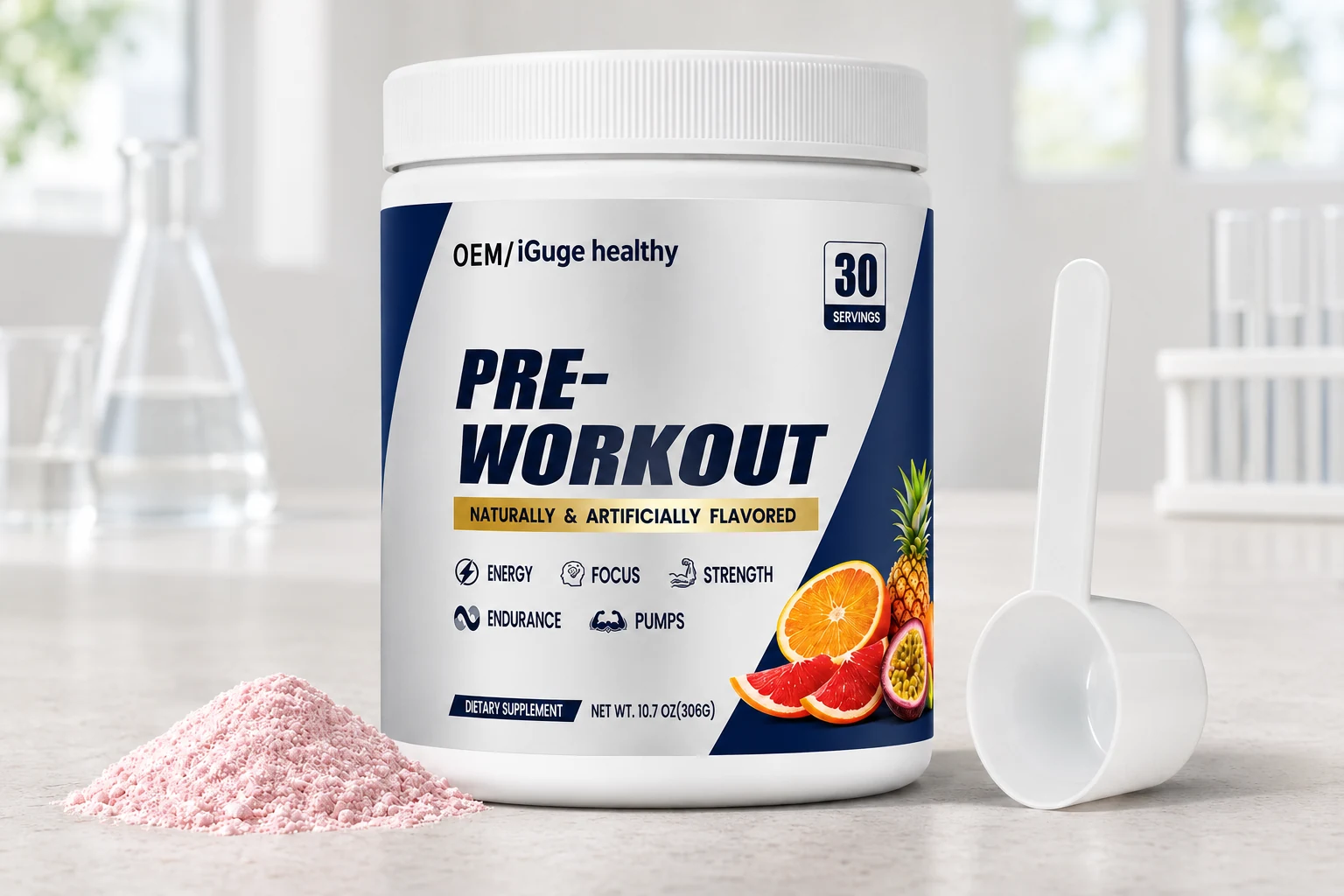
Review the pack specification, closure system, seal arrangement and any moisture-control features that are genuinely part of the design. If a scoop is supplied, confirm how its volume relates to the declared serving mass without assuming every powder has the same bulk density. A scoop selected for an earlier version may not provide the intended mass after composition or physical properties change.
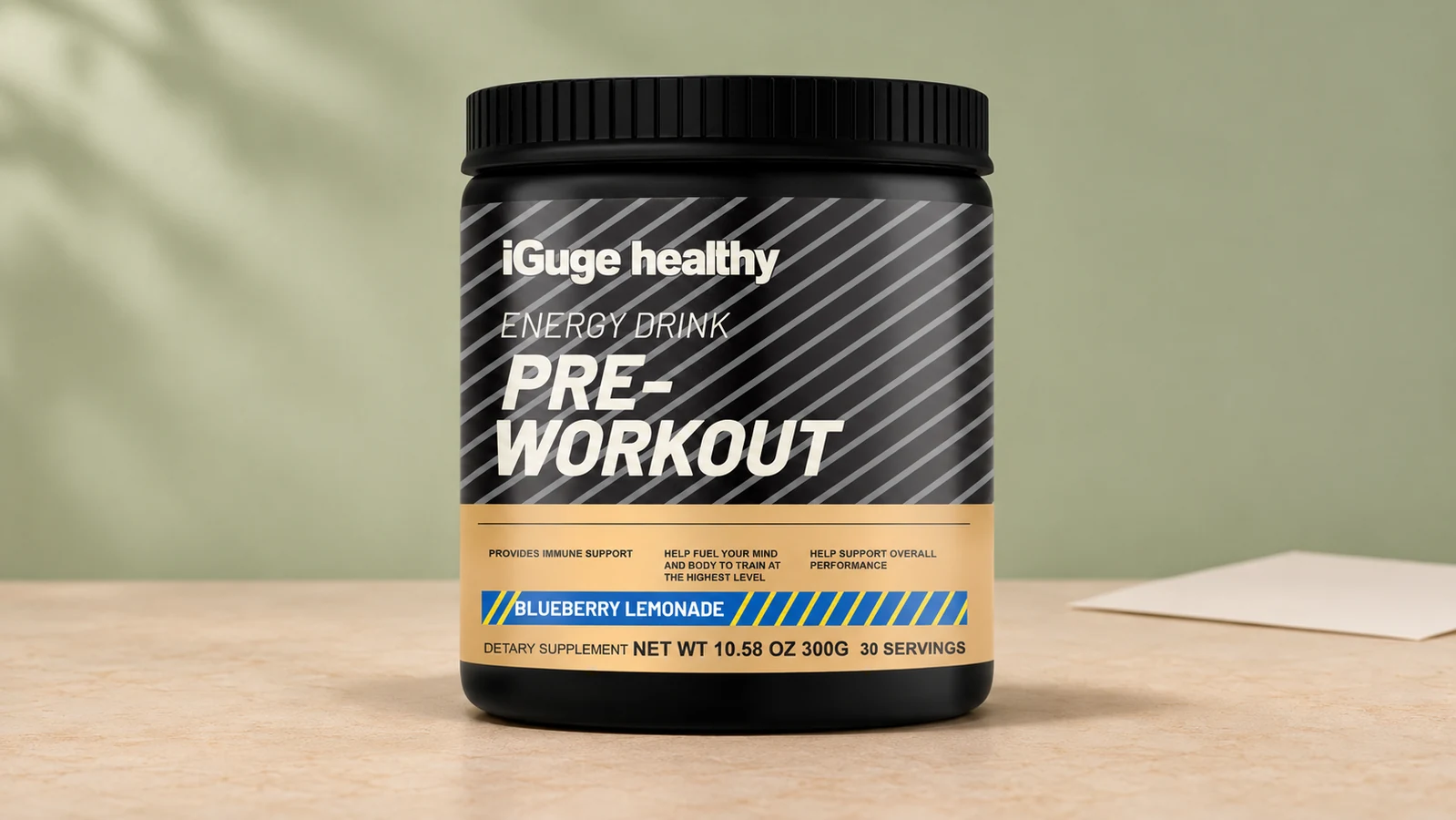
The private label pre-workout powder example provides a product-format reference, not proof that every proposed pack has completed stability work. Packaging compatibility evidence must refer to the actual product and pack combination. A change from jar to sachet, or from one closure material to another, may need a different assessment rather than a copied shelf-life statement.

Artwork review should follow the same version discipline. Check the ingredient declaration, serving information, net quantity, directions and relevant warnings against the current approved documents. A new flavour name can affect more than the front panel. Avoid releasing artwork merely because a graphic proof looks correct while the technical review still refers to an earlier formula.
Choose The Evidence That Each Change Actually Needs
Different changes justify different questions. The matrix below is a development aid, not a fixed regulatory checklist or a claim that every change requires every test. The responsible technical team should determine the final scope from the product, evidence and applicable requirements. The point of formula change control is to make that reasoning visible.
| Proposed change | Question to resolve | Evidence to connect |
|---|---|---|
| Ingredient grade or source | Is the material identity and functional behaviour equivalent? | Approved specification, appropriate analytical information and development comparison |
| Flavour or carrier system | Does the finished serving still meet its composition and preparation brief? | Full composition revision, coded samples and defined preparation observations |
| Batch size or equipment | Do mixing, handling and filling controls remain suitable? | Process assessment, relevant sampling and blend uniformity evidence |
| Jar, liner or closure | Does the actual pack protect and present the revised product as intended? | Pack specification and justified packaging compatibility assessment |
| Artwork or serving device | Do the instructions and declarations describe the approved product? | Controlled artwork, serving information and final approval record |
Carry The Decision Into Manufacturing And Repeat Orders
A successful development comparison is useful only when the production documents reflect it. Review the handover from approved sample to purchasing, manufacturing, filling and final review. The company information can establish context for a capability discussion; actual project documents are needed to establish how a specific product will be controlled.
Close The Loop Between Development And Production
The custom pre workout manufacturer should identify which specification version applies to the order and how a proposed deviation will be assessed before use. Record the approved material and packaging references, the relevant checks and the disposition of unresolved items. Development approval and permission to release a finished batch answer related but different questions.
For a repeat order, compare the new order with the last approved baseline rather than assuming the product is identical because its name is unchanged. A different material source, pack component or process condition can reopen a specific question. Formula change control should explain why existing evidence remains applicable or what additional work is needed, without automatically repeating every earlier test.

Frequently Asked Questions
Does A New Flavour Always Require A Completely New Formula?
Not necessarily. The technical team should identify what changes in the flavour system, carriers and total composition, then decide which existing evidence can still be used. The decision needs a recorded rationale rather than an assumption based on the flavour name.
Can A Stock Sample Establish The Finished Product Specification?
It can provide a starting reference, but the project still needs agreed composition, serving information, acceptance criteria and pack details. A stock sample does not by itself document the requirements for a customized commercial product.
Does Better Taste Prove Better Manufacturing Quality?
No. Taste evaluates a sensory characteristic under particular conditions. Material identity, composition and manufacturing consistency require their own appropriate evidence. These questions should be connected in the development plan while remaining distinct.
When Should A Pack Change Be Reviewed?
Review it before relying on previous product protection or storage evidence. Even a visually similar closure or liner can have a different specification. The review should consider the actual revised product, filling conditions and intended use of the pack.
What Makes A Change Approval Useful For The Next Order?
A useful approval identifies the exact document versions, the change, the supporting evidence, the unresolved limits and the person responsible for the decision. That record allows later orders to be compared with a meaningful baseline.
For a proposed revision, send the current specification, a marked list of changes and the open sample or pack questions through the product development enquiry page. Request a response that identifies the evidence needed for each change and the version that would govern production.