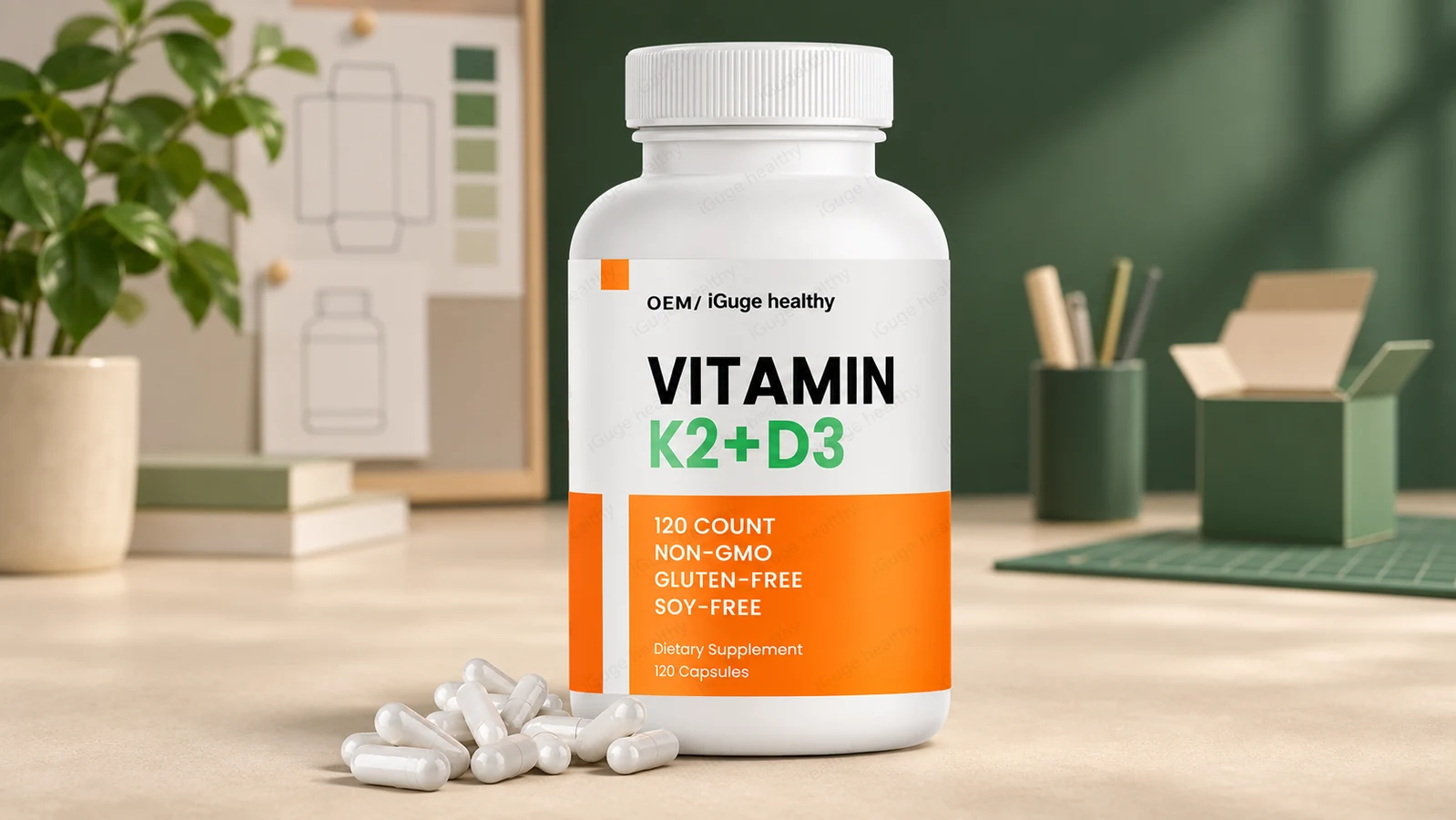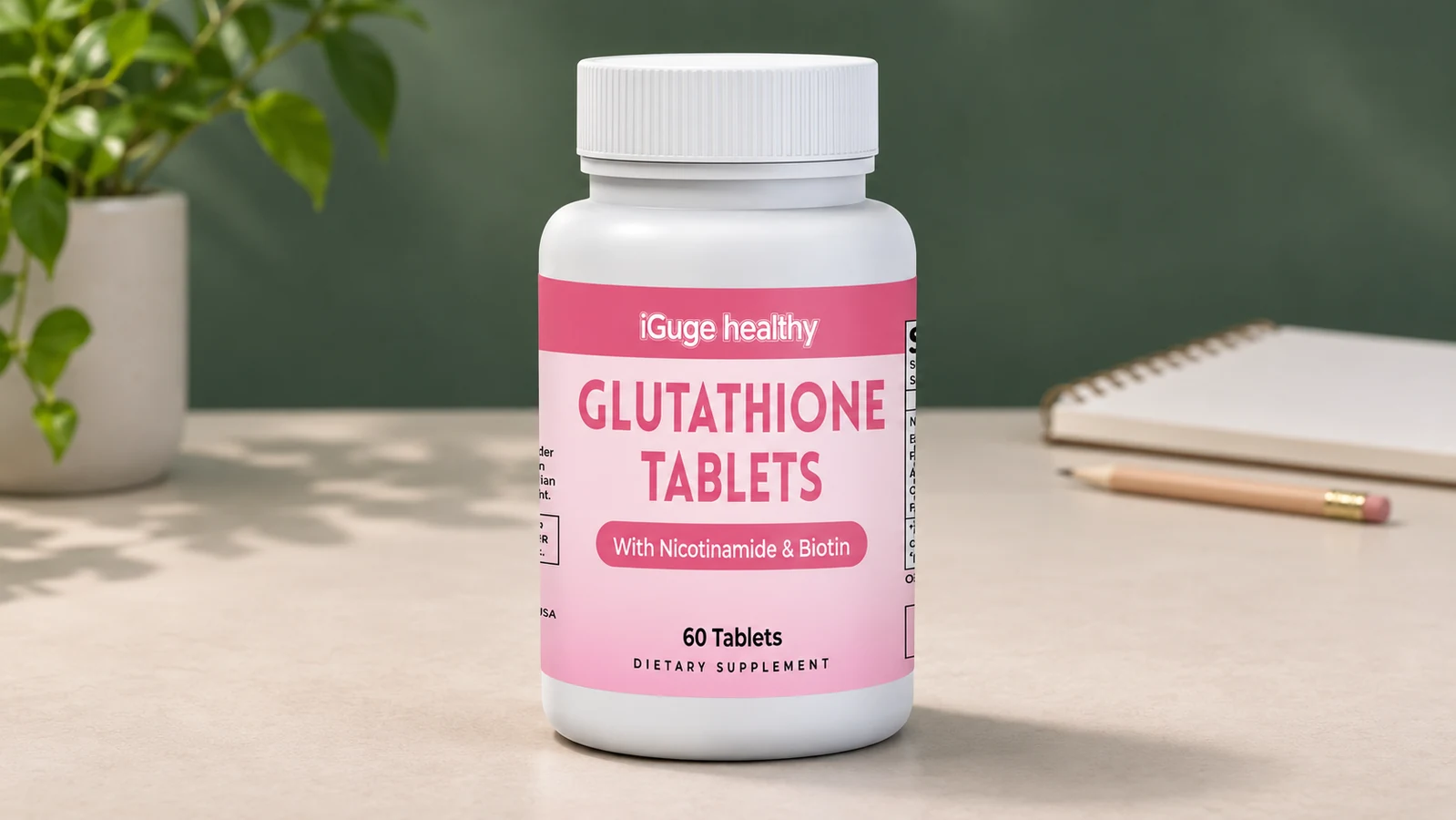
Private label health supplements are defined by the formula, pack, evidence and responsibilities agreed for one specific SKU. A catalogue option can shorten the work of choosing a starting point, but it cannot settle the label, production quantity or release criteria. The useful distinction is between what stays as supplied, what changes for the brand, and what must be checked again because of that change.
Separate the Starting Formula From the Product Being Ordered
A private label proposal is easier to assess when it names a baseline and lists every departure from it. The baseline could be an existing capsule format, a blend previously sampled, or a standard pack available on the line. The ordered product is the combination agreed for the actual launch. If a proposal only says “customizable,” it does not establish which baseline, which options or which approvals are included.
Identify the Ingredient and Serving Basis
Start with the material identity, form and amount per serving. In a botanical capsule project, the botanical name, plant part and extract description distinguish ingredients that sound similar in ordinary product names. A formula specification should also identify the serving unit, capsule shell, other ingredients and any constraints on substitutions. A change in one ingredient can affect fit in the capsule, handling during filling or the wording available for the label.
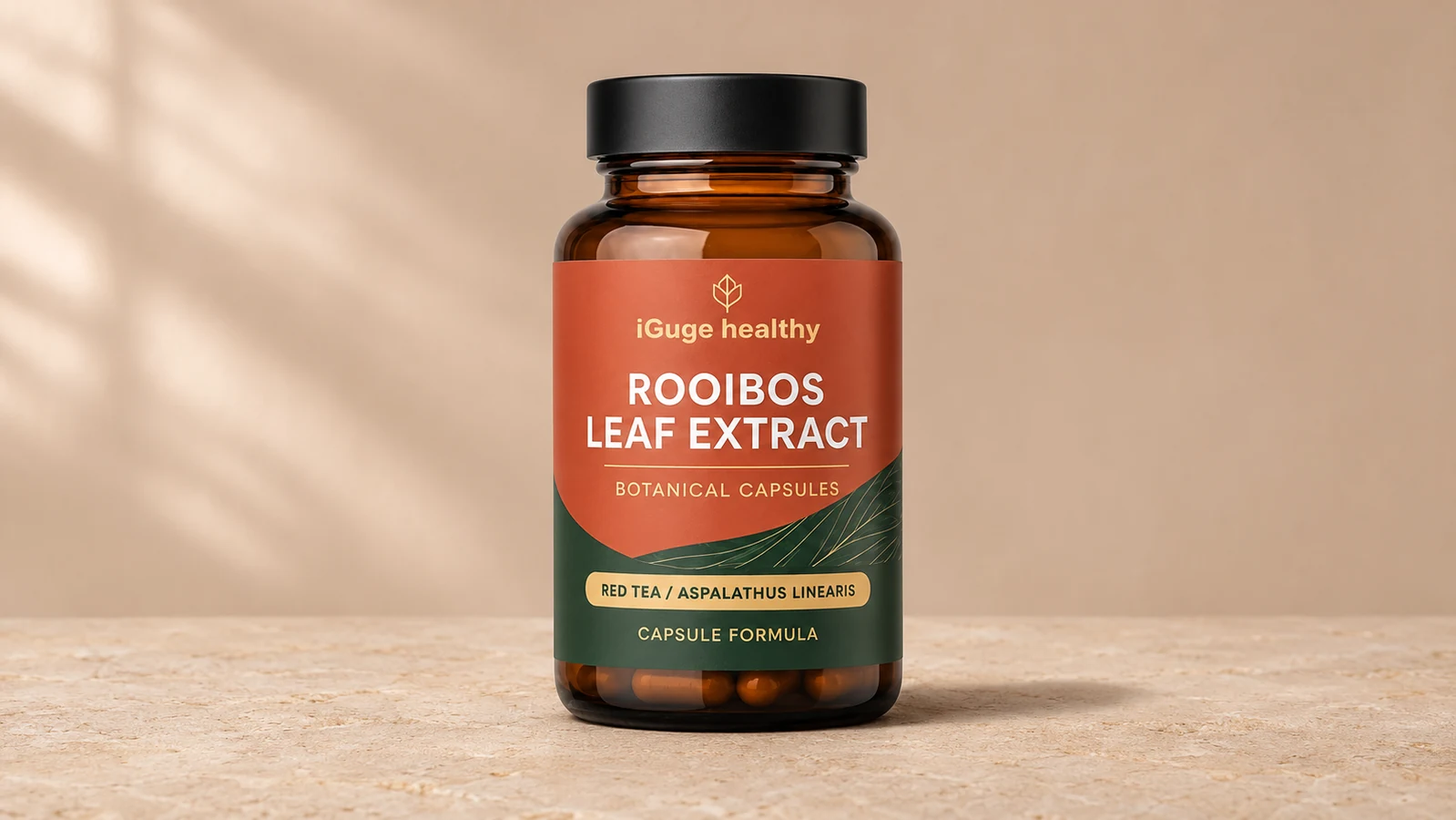
The rooibos leaf extract capsule listing shows how a catalogue entry can identify a specific botanical starting point. That identity does not establish the buyer's final blend or the amount in a new serving. Treat the listing as a conversation starter and ask the proposal to name the actual agreed material and product revision.
Distinguish a Label Change From a Formula Change
A logo, color palette or front panel layout may be a change in presentation if the product and materials are otherwise identical. Changing an extract, flavor, sweetener, shell or serving size is a different scope. A larger bottle count changes both the unit economics and the labeling particulars even when the capsule itself remains the same. A written change list makes these consequences visible before samples, label proofs or purchase quantities are approved.
Define One Sellable SKU Before Comparing Proposals
The same capsule can produce different sellable units when the count, bottle, closure or carton changes. Define the order unit at the point a buyer receives it, not at the point bulk capsules leave the filling line. The description should separate the capsule count from the serving count, and the sale pack from the case used for shipping. This gives both parties the same basis for comparing the unit price and minimum order quantity.
Lock the Pack Configuration With a Physical Reference
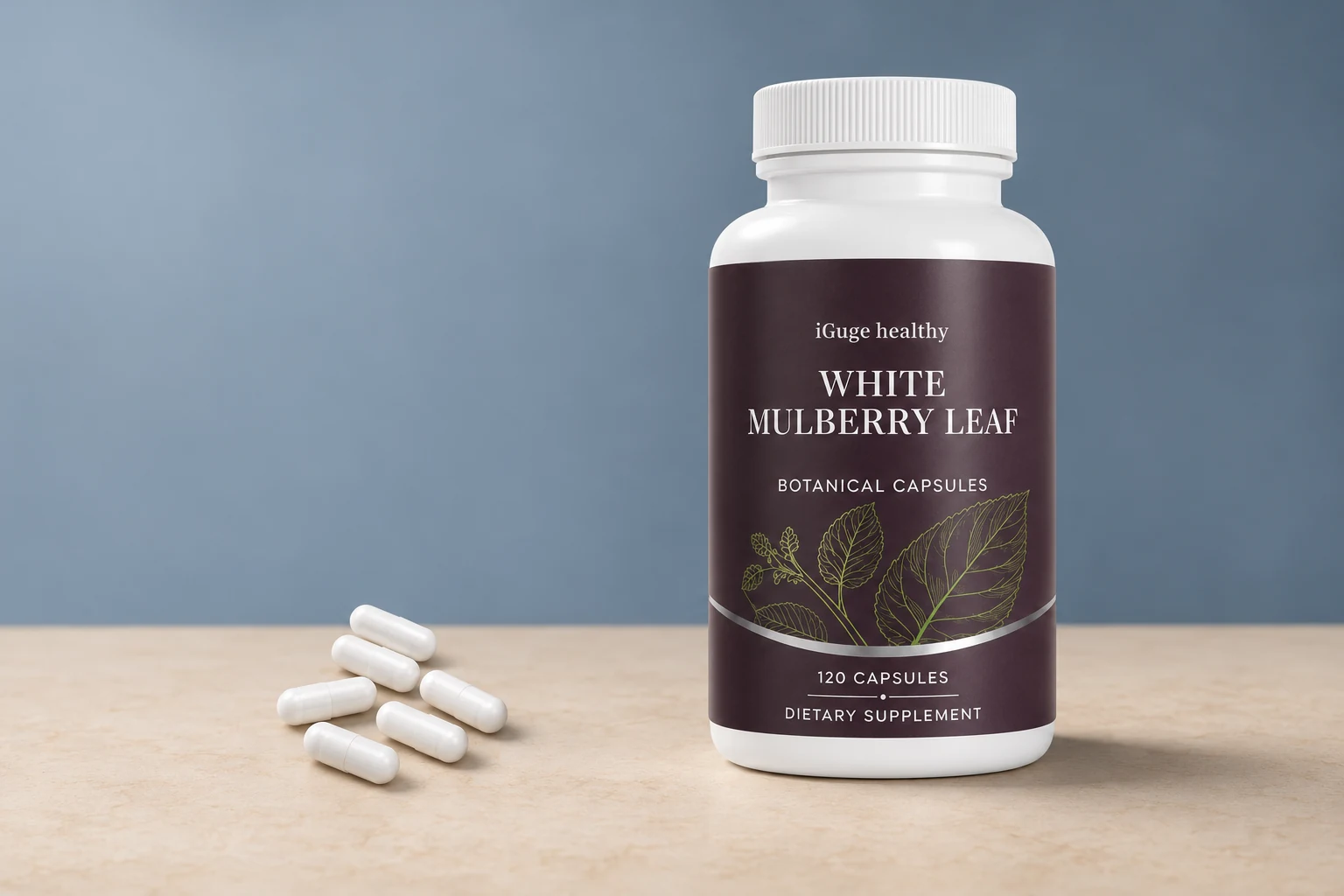
Record the bottle size and material, closure and seal, unit count, label dimensions and carton configuration alongside the approved proof. If a closure or bottle is chosen for appearance, ask whether it is the same item used in the physical sample and whether the production line can handle it. A photo may show the exterior but cannot show every feature of the closure, seal or compatibility with the contents.
| Decision | Agree Before Approval | Evidence to Request |
|---|---|---|
| Formula and serving | Ingredient identity, serving basis and allowed changes | Versioned product specification and matching sample identifier |
| Finished pack | Count, primary container, closure and carton | Filled sample, component description and unit configuration |
| Label and claims | Panel content, language, approvals and market scope | Approved artwork proof tied to the same product revision |
| Order quantity and timing | Sellable units, component commitments and approval dates | Written quote with separate milestones and exclusions |
| Production release | Acceptance criteria, records and sign-off responsibilities | Batch-linked results and disposition records agreed in advance |
Use the Sample to Answer Specific Questions
A development sample should resolve a stated uncertainty. One sample may answer whether the format or appearance suits the launch; a later one may confirm the filled pack and label fit. Samples reviewed at different stages can both be useful without being interchangeable. Mark each one with its formula revision, packaging version, preparation date and the decision it is meant to support.
Keep Sample Acceptance Separate From Batch Release
Appearance and handling feedback can be assessed on a development sample. Production acceptance is a separate decision based on criteria and evidence appropriate to the actual lot. A useful plan identifies which checks are made on incoming materials, which on finished units, what the acceptance limits are, and who reviews a result outside those limits. A generic example certificate is useful only for discussing the reporting format; it is not evidence about a shipment.
For private label health supplements, the checks should follow the formulation and the process rather than a standard checklist copied across formats. A botanical capsule may need material identity and capsule weight verification. A powder format may add concerns about blend uniformity, moisture or scoop measurement. A reviewer should connect each requested test with the question it answers and record the method, reporting units and sample identity.

The vitamins and dietary supplement range shows why format selection comes before choosing a test plan. A first sample of the formula in a plain container can be suitable for an early review, but it cannot verify a changed closure, lot coding position or final label fit. Keep an unresolved question on the approval list rather than marking the whole SKU approved on the strength of one sample.
Control Artwork as Part of the Specification
Packaging artwork needs an owner and a revision, just as the formula does. It should state the agreed identity and quantity consistently with the finished product. The approved file should also match the actual label dimensions, print substrate and application position. A visually attractive mockup can hide conflicts between front and back panels, or between the listed contents and the agreed count.
Resolve the Market and the Claim Before Printing
Confirm how the product is classified and what label and advertising review is required for each intended destination. A statement printed on a catalogue sample is not automatically appropriate for another product or market. Review both what the words literally say and the effect created by icons, pictures and layout. For a new claim, identify the relevant evidence, who is responsible for assessing it, and whether a change in formula or serving basis requires a fresh assessment.
The botanical supplement collection gives examples of product families, but approval belongs to the actual SKU. A proof register can record the formula specification version, dieline file, pack count, market, reviewer and date. If a label changes after the filled sample was reviewed, decide whether the change requires only a document review or another check of fit, print and readability.

Compare the Minimums and Timing on the Same Basis
A quoted minimum order quantity is meaningful only when the unit is clear. A production batch may be constrained by blend size or filling setup, while a printed label or carton has its own purchase minimum. If the number is quoted per SKU, several flavors or label versions may multiply the component commitment even when the total capsule count is unchanged.
Ask Which Component Creates the Minimum
Request the minimum for the blend, filling run, standard container and custom printed components separately when they matter. In a hypothetical order of 1,000 bottles with one label, compare that with four versions of 250 bottles each. The aggregate units are the same, but the second structure can require four print setups, four proof checks and separate stock tracking. This example is a way to compare assumptions, not a claim about a manufacturer's quoted minimum.
Build the timing from events rather than a single advertised lead time. Clarify when a clock starts: the initial brief, approval of the sample, acceptance of packaging artwork, arrival of all materials or a confirmed production booking. Identify the longest dependency and any time allowed for a repeat sample. The product catalogue is useful for identifying formats; it does not establish the scheduling conditions of a specific order.

Carry the Agreed Scope Into the Repeat Order
Private label health supplements become easier to reorder when the parties can identify what was actually made. Keep the specification, approved sample, final proof, component references and release evidence together. A repeat purchase with the same product name should still identify the original revision or a documented replacement. That prevents a quiet change in a shell, pack or printed panel from appearing as an unexplained difference on arrival.
Agree Who Reviews a Proposed Substitution
Document which changes require consent before production and which can be handled within an agreed range. If an ingredient or packaging component becomes unavailable, a proposed substitution should explain the reason, the differences and the checks needed before acceptance. An equivalent appearance is not sufficient when the changed item affects declared contents, an allergen review, product stability or how the closure performs. Record the decision next to the affected revision so it can be traced later.
The company and service overview provides supplier context, but the working records should identify the responsibilities on the specific job. For example, one party may supply artwork while another applies it and records lot coding. Identify who compares the proofs to the accepted material, who reviews a deviation, and who can approve release. A responsibility left between parties often becomes visible only after a question is raised about the shipment.
Frequently Asked Questions
Is a Catalogue Formula the Same as a Finished Specification?
No. A catalogue formula identifies an available direction. A finished specification identifies the actual ingredients and serving basis, pack configuration and acceptance conditions for one order. It is the latter that should match the sample, approved artwork and release records.
Can One Formula Have More Than One Private Label Pack?
Yes, when the manufacturing and packaging options support it. Each configuration still needs its own count, component references and artwork review. A difference in the sale pack can change the order minimum, price and release evidence even when the contents are unchanged.
Does an Approved Label Prove the Contents Meet Their Limits?
No. Approval checks the wording and design against the agreed product information. Evidence for the contents comes from the applicable manufacturing and batch checks, reviewed against the agreed limits and tied to the actual lot.
What Should a Sample Rejection Say?
It should identify the sample revision, the observed issue, the agreed criterion and the next test or change. “Make it better” leaves too much open. A statement that the closure cannot be opened as expected, for example, can be evaluated on the next physical pack.
What Is the First Useful Comparison Between Two Offers?
Normalize both offers to one identical sale unit and identify what is included in each. Compare the formula specification, pack, artwork, testing and order commitments before comparing the number printed as the unit price. If a line item is unclear, keep it as an explicit open question.
A workable scope separates the starting point from the approved SKU and makes each dependency visible. It gives the brand a way to compare offers, check the right sample and trace a repeat order to the version that was accepted.